
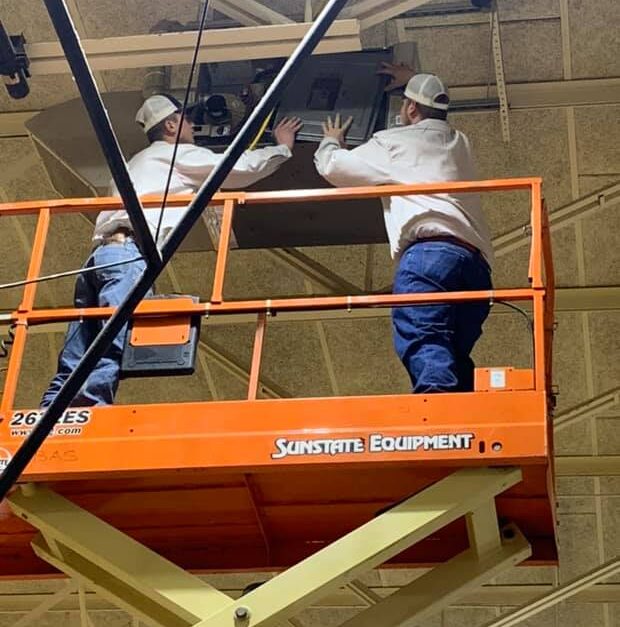
Shopping around for Refrigeration Service around Burlington?
Climate Control A/C & Heating services cooling, heating and the air indoors around the community.
Reach us at 512-446-4020 to describe what your equipment is doing.
Heat and Humidity: the Climate Behind the Equipment
Hot weather in Burlington settles in for months at a time, which means a cooling unit seldom rests between spring and fall.
Moisture in the air matters as much as the thermometer reading; an air conditioner pulls it out as a side effect of cooling, but only while it is actually running.
Proper equipment size, good airflow and clean surfaces separate a comfortable house from a clammy one, long before a breakdown ever happens.
Moving Heat Outdoors: What Each Piece Does
Nothing in a cooling system generates cold air from scratch; refrigerant picks up warmth from indoor air and carries it outside.
The air handler holds the indoor coil and the blower that pushes air across it; outdoors, a fan pulls air across the condenser coil to shed the load.
Parts that wear out fastest are usually the small electrical ones; a failed capacitor is often a small repair rather than the end of the system.
Diagnosing a Weak Cooling System – Sorting Symptoms From Causes
A proper air conditioning repair sorts the symptom from the cause before anything is replaced; weak cooling is a symptom that many separate faults share.
A tripped breaker, a failed capacitor or a worn contactor keeps the outdoor unit from starting; the diagnosis comes before any decision about a bigger job.
A frozen evaporator coil blocks the very air it is supposed to cool, and the cause may be as simple as a clogged filter or as involved as a leak.
Refrigerant is sealed in a loop and does not get used up, and adding more without finding the leak only delays the same problem.
A blocked drain line can back water into the pan and trip a safety switch, and the fix is usually quick once the blockage is found.
Trouble You Can See and Hear – What Owners Notice First
A struggling cooling system leaves clues around the house; these are the signs a homeowner can see, hear or feel without any tools:
- Supply air that feels weak or lukewarm while the system runs nonstop.
- A buzzing or clicking sound at startup, often getting louder from one week to the next.
- Repeated short runs that never finish a cooling cycle; parts wear faster.
- Condensation where there should be none, which deserves a look before damage spreads.
Keeping Equipment Healthy: What a Maintenance Visit Covers
Air conditioning maintenance keeps dust, grime and wear from piling up unseen, and the work centers on airflow, cleanliness and electrical health.
A clogged filter chokes the blower and starves the coil of air, and a quick check each month is a good habit through the summer.
Heat flows through each of the coils, and each one loses capacity when it collects dirt; the report reflects measurements rather than guesses.
Aging Equipment – a Decision Worth Making Carefully
An old unit that needs repair after repair may be a candidate for AC replacement, with the condition of the compressor and coils weighing heavily.
Refrigerant types have changed over time, so older systems may use one that is hard to find, which is another reason to get a clear diagnosis before deciding.
Today's units move the same heat with less power than equipment from a generation ago, and comfort improves along with the numbers.
Sizing and Setup – a Calculation, Not a Guess
Proper AC install planning measures the house, the windows, the insulation and the sun exposure; orientation and shading matter as much as floor area.
Oversizing is a common mistake, and it wears out parts through constant starting, and a proper calculation avoids both extremes.
The outdoor pad, the line set, the electrical disconnect and the drain all need planning; commissioning measurements confirm that the system performs as designed.
Ductwork Matters – What Hides Above the Ceiling
Duct work moves the air that the equipment has cooled or heated, so its design shapes every room, and a unit can be fine while the ducts hold the whole system back.
Attic duct work in Texas sees extreme heat, so insulation and tight seams earn their keep, and a technician can often find the leaks with a pressure test.
Dust, Debris and Ductwork – Reasons and Limits
Air passages collect dust, and duct cleaning is the way to clear it from the inside, and the decision should rest on what is actually in the ducts.
Clean ducts work best alongside a good filter and sealed connections, and a plain look inside the duct tells the real story.
Reversible Systems – Why They Suit the Region
A heat pump is an air conditioner that can run backward to warm the house; in Texas, cold snaps are short, so a heat pump covers most of the heating season.
Auxiliary heat strips back up the heat pump on the coldest mornings, but a heat pump that always needs the backup may have a fault.
Burners, Igniters and Flues – Parts, Safety and Service
Gas furnaces rely on an igniter, a flame sensor and a gas valve working in sequence, and a fault in any one step can stop the whole cycle.
Carbon monoxide detectors belong in any home with fuel-burning equipment, and a detector near the sleeping areas gives early warning.
Resistance and Strip Heat – Features and Trade-Offs
An electric furnace passes air over banks of resistance elements that glow when energized, which keeps the mechanical side straightforward.
Electricity makes heat at a steady rate, but resistance heat uses more power than a heat pump does for the same warmth; the decision rests on the building, not just the equipment.
Heating Services: Planning for Sudden Cold
A norther can send temperatures tumbling, and heating systems that sat idle all summer must start right up; heating systems are better checked before they are needed.
Furnaces, heat pumps and electric air handlers all heat homes, and each has its own checkup list, which keeps the work simple to explain and easy to follow.
Hot-Water Heating – Radiators, Coils and Radiant Floors
Hydronic heating moves heat with water instead of air, which makes for quiet, even warmth, and the parts, from circulators to expansion tanks, differ from forced-air equipment.
Service on boiler systems covers the burner, the water pressure, the circulator pump, the expansion tank and the safety relief valve; neglected boilers corrode inside, so water quality and venting matter.
Cleaner Air Indoors: Beyond Temperature and Humidity
The air in a house mixes outdoor pollen, indoor dust and chemicals from everyday products; the equipment that moves air is also the equipment that carries the contaminants.
Residential air quality improves when the filter fits the system and gets changed on schedule, and sealing return leaks keeps unfiltered air from sneaking around the filter.
Businesses face their own air issues, from shared air handlers to customers coming and going all day, and employee and customer comfort both depend on it.
Filters, Purifiers and Their Limits: Matching the Tool to the Problem
Purifiers remove particles or gases from the air, and they come as whole-home units or portable room models; any claims about performance should be checked against the specification.
Good results come from a purifier chosen to complement the rest of the system, and sizing matters here as much as anywhere.
Managing Growth Inside the System – Reasonable Expectations
UV lights install in the air handler and shine on the indoor coil and drain pan to limit microbial growth, and a technician can explain which kind fits a given air handler.
An antimicrobial mist is sprayed or fogged onto surfaces inside the system or the building, and ventilation and occupant safety are part of the process.
Ventilating: Balance in a Humid Climate
Bath fans, kitchen hoods and outdoor air intakes are all part of ventilating a modern building, and in a humid climate the incoming air needs dehumidifying.
Good attic airflow lowers the heat that leaks down into the living space; improvements can start with simple, low-effort fixes.
Commercial AC Systems: From Rooftop Units to Split Systems
A commercial AC system is often a rooftop package unit that holds the compressor, the coils and the blower in one cabinet, which is why many businesses plan service around their schedule.
Commercial equipment is built to run long hours, and it still depends on clean coils and clear drains, and a technician can map out options on site.
Chiller Systems for Larger Buildings – Water Carries the Cold
A chiller is a large refrigeration machine that chills water for use in many spaces, and they need specialized service knowledge.
Coolers, Freezers and Ice Machines: What Service Involves
Businesses that sell or store food depend on refrigeration service to hold safe temperatures, which is why restaurants and stores plan service ahead of busy seasons.
How Climate Control A/C & Heating Goes About Refrigeration Service in Burlington
A good service call begins with listening to what the owner has noticed; the owner understands the situation before any decision.
Honest advice separates the necessary from the optional, and the work proceeds only when the owner agrees.
Questions About Your System Are Welcome
Dial 512-446-4020 to set up a visit or talk through your options.
Closing Thoughts – Equipment, Airflow and Air Quality
Equipment, ducts and air quality are connected, so a question about Refrigeration Service is rarely a stand-alone one; Climate Control A/C & Heating can walk through the choices with you.