
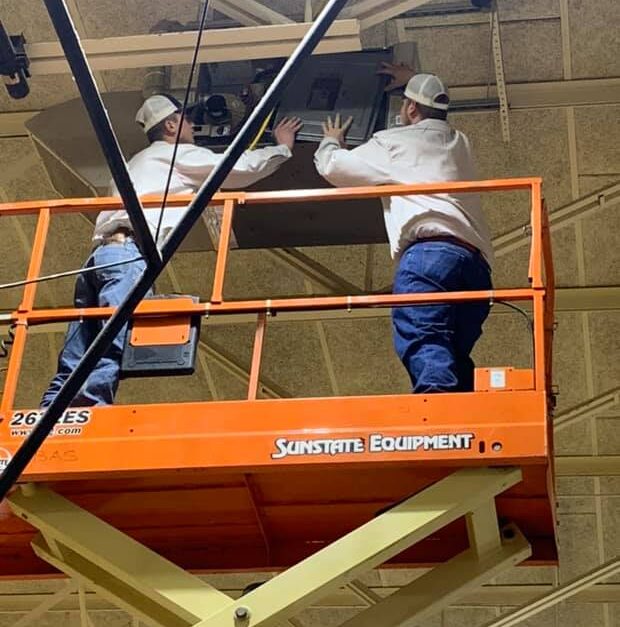
Looking for Ventilating in Ben Arnold?
Climate Control A/C & Heating supports cooling, heating and the air indoors around the community.
Phone 512-446-4020 and ask a real question.
A Hot, Wet Climate: the Climate Behind the Equipment
Warm weather in Ben Arnold stretches across much of the calendar, which means a cooling unit seldom rests between spring and fall.
Humidity is half of the comfort problem, not an afterthought, and the coil is where the moisture condenses and drains away.
Capacity, airflow and cleanliness work together, and a weakness in one shows up as a house that never feels quite right, and each one is something a technician can check on site.
The Refrigerant Cycle: a Plain Explanation
Nothing in a cooling system generates cold air from scratch; the refrigerant carries heat out of the house and leaves the cool behind.
The air handler holds the indoor coil and the blower that pushes air across it, with the compressor outside squeezing the refrigerant so the heat can leave.
Fan motors and start components do a great deal of work for their size; a failed capacitor is often a small repair rather than the end of the system.
Diagnosing a Weak Cooling System: a Look at Common Failures
Air conditioning repair begins with finding out why the system quit, not with swapping parts, and a house that is warm may have an electrical fault, an airflow problem or a refrigerant problem.
A unit that clicks and does nothing may be waiting on a bad contactor or a dead control board, and they usually repair cleanly because the parts are small.
Frost on the indoor coil or the copper line is a warning sign, not a cooling success, and running the system while it is frozen can damage the compressor.
Refrigerant is not a consumable that needs topping off every season, and the leak is the thing that has to be found and dealt with.
Algae and debris plug the drain, and many systems have a float switch that stops the cooling; moisture removed from muggy air adds up to gallons a day.
Trouble You Can See and Hear: Trust Your Senses
Air conditioners seldom quit without hints along the way, and every item below is a reason to schedule a visit:
- Uneven temperatures from room to room even with the thermostat set low.
- A buzzing or clicking sound at startup, especially when the weather is hot.
- Repeated short runs that never finish a cooling cycle, leaving the indoor air damp.
- Condensation where there should be none, which deserves a look before damage spreads.
Tune-Ups for Cooling Gear: What a Maintenance Visit Covers
Routine AC maintenance heads off the kind of failure that arrives on a hot afternoon, with attention paid to coils, drains, belts and wiring.
The air filter is the part most under the homeowner's own control, and how often it needs changing depends on the filter type, pets and the season.
The visit usually includes the condenser coil, the evaporator coil and a flush of the drain line; the report reflects measurements rather than guesses.
Repair or Replace – a Decision Worth Making Carefully
The conversation about replacement starts when age, condition and comfort all point the same way, and a good evaluation lays out repair and replacement side by side.
A system built around a retired refrigerant can be a poor candidate for major repairs, and newer equipment is built for current refrigerants.
Today's units move the same heat with less power than equipment from a generation ago; the benefit grows in houses that rely on cooling much of the year.
Choosing Capacity: Details That Shape Comfort
AC install work succeeds or fails on sizing and airflow before any equipment is delivered; windows, attic insulation and ductwork all change the answer.
Equipment that is too big runs in bursts, which hurts comfort and efficiency alike, and a unit that is too small runs constantly without catching up.
The indoor and outdoor parts have to match each other and the ductwork; commissioning measurements confirm that the system performs as designed.
Ducts: Sizing, Sealing and Insulation
Duct work moves the air that the equipment has cooled or heated, so its design shapes every room; undersized trunks, kinked runs and open seams all choke the flow.
Attic duct work in Texas sees extreme heat, so insulation and tight seams earn their keep; return air paths deserve the same attention as the supply side.
Dust, Debris and Ductwork: Realistic Expectations
Duct cleaning removes dust and debris from the supply and return runs, the registers and the blower compartment, and it makes the most sense after a renovation, a pest problem or visible contamination.
Cleaning pays off only when the source of the dirt is also addressed, and claims about health benefits should be treated skeptically.
Reversible Systems – Why They Suit the Region
Instead of burning fuel, heat pumps pull warmth from outdoor air and carry it inside, and that makes them efficient in climates with mild winters.
A heat pump may call on backup heat during a hard freeze or while defrosting its coil; watch for unusually high bills as a hint.
Burners, Igniters and Flues: Reliable Heat for Cold Fronts
Gas furnaces burn natural gas or propane in a burner and pass the heat through a heat exchanger, and a fault in any one step can stop the whole cycle.
The annual furnace check is also a safety check on combustion and exhaust, and homeowners should keep the area around the furnace clear of clutter.
Electric Furnaces and Air Handlers – Features and Trade-Offs
Electric heating systems have no burner, no flue and no combustion byproducts; troubleshooting centers on power, controls and the blower motor.
Electricity makes heat at a steady rate, but resistance heat uses more power than a heat pump does for the same warmth; the choice depends on what fuel is available at the property.
Heating Services – Reliable Heat on Demand
The heating season is short enough that equipment sits unused for months, then must work on the first cold night, and a test on a mild day beats a surprise on a freezing one.
From gas furnaces to heat pumps, each heating system needs different attention before winter, which keeps the work simple to explain and easy to follow.
Heating With Water: How Hydronic Systems Differ
Hydronic heating moves heat with water instead of air, which makes for quiet, even warmth; the region mostly uses forced air, so boilers are the exception.
Service on boiler systems covers the burner, the water pressure, the circulator pump, the expansion tank and the safety relief valve, and bleeding air from the loops is a routine task.
The Air Inside Your Walls: Beyond Temperature and Humidity
Good indoor air quality means controlling particles, humidity, fresh air and sources of contamination, and cleaner air depends on filtration, ventilation and moisture control working together.
Choosing a filter means balancing how much it removes against how much resistance it adds; the system and the filter are chosen together.
Commercial air quality involves larger volumes, more occupants and strict airflow requirements, which is why commercial properties usually benefit from regular service visits.
Choosing an Air Cleaner: Sorting Fact From Marketing
Whole-home purifiers treat air as it passes through the system, while portable ones clean a single space, and ozone-producing models are better avoided in occupied rooms.
Purifiers help most when the air handler is clean, the ducts are sealed and humidity is under control, which is why one device rarely fits every home.
Managing Growth Inside the System: Where They Fit
UV lights are a common add-on in humid climates, where the evaporator coil stays wet for months, and a technician can explain which kind fits a given air handler.
Mist treatments use an approved solution applied by a technician in a controlled way; the product and method should be explained in advance.
Letting a Building Breathe: the Case for Planned Airflow
Ventilating a building means replacing stale indoor air with fresh outdoor air in a controlled way; the cooling equipment has to be sized to handle the fresh air coming in.
Exhaust fans that move air out of kitchens and baths should vent outdoors, not into the attic, and this is another reason the whole building matters.
Commercial Cooling – Planning Around the Business
Commercial air conditioning system designs range from rooftop packages to split systems and multi-zone setups, and filters, belts, coils and drains are the usual checklist items.
Rooftop units sit in the sun and wind, so the cabinets, the coils and the curbs take a beating, and larger properties may phase work across several units.
Chillers – Water Carries the Cold
A building with chilled water pulls its cooling from a central plant rather than separate rooftop units; air-cooled and water-cooled designs differ in how they reject heat.
Keeping Food and Product Cold: What Service Involves
A refrigeration problem is often found in the condenser, the defrost control or a worn door gasket; regular cleaning of condenser coils matters even more than in comfort cooling.
How Climate Control A/C & Heating Works Through Ventilating in Ben Arnold
Every visit starts with questions about what the equipment has been doing and when, then examines the equipment and measures what can be measured.
The owner hears what needs to happen now, what can wait and what is optional, and the work proceeds only when the owner agrees.
Questions About Your System Are Welcome
Reach out at 512-446-4020 to set up a visit or talk through your options.
A Last Word – Equipment, Airflow and Air Quality
Whether the need falls under Ventilating or elsewhere in the heating, cooling and air quality family, the same principles apply, and Climate Control A/C & Heating answers questions at 512-446-4020.