
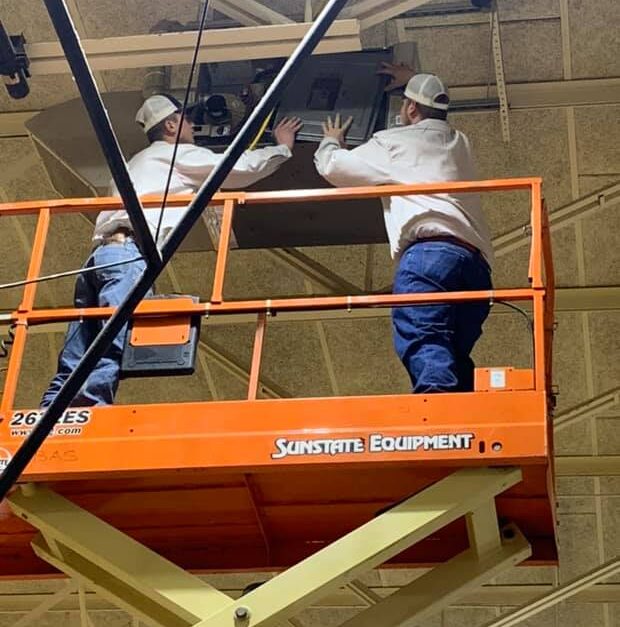
Looking for AC Maintenance around Rockdale?
Climate Control A/C & Heating supports heating, cooling and indoor comfort close to home.
Dial 512-446-4020 and tell us what you are noticing.
Heat and Humidity – Built for a Long Haul
Hot weather in Rockdale settles in for months at a time, and a home air conditioner may run most of the day through the worst of it.
Moisture in the air matters as much as the thermometer reading; the indoor coil acts as the dehumidifier, collecting water that leaves through a drain line.
Matching capacity to the house, moving enough air and keeping the coil clean all shape the result, whatever the label on the box promises.
The Refrigerant Cycle: What Each Piece Does
An air conditioner does not create cold; refrigerant picks up warmth from indoor air and carries it outside.
Inside the house, the evaporator coil does the absorbing, and the condensing unit in the yard completes the loop by getting rid of the heat.
Parts that wear out fastest are usually the small electrical ones, which is why a quick diagnosis matters before anyone talks about replacement.
Service Calls in Hot Weather – Sorting Symptoms From Causes
Good AC repair is detective work before it is wrench work; weak cooling is a symptom that many separate faults share.
A tripped breaker, a failed capacitor or a worn contactor keeps the outdoor unit from starting, and they usually repair cleanly because the parts are small.
A coil that ices over points toward airflow or refrigerant, and running the system while it is frozen can damage the compressor.
Refrigerant is not a consumable that needs topping off every season; a responsible repair locates the leak instead of simply adding more.
Condensate has to leave the house, so a blocked line sends it somewhere less welcome; moisture removed from muggy air adds up to gallons a day.
Warning Signs – Before a Breakdown
Most breakdowns announce themselves with small changes in behavior; these are the signs a homeowner can see, hear or feel without any tools:
- Rooms that stay warm though the unit sounds normal.
- A burning smell from the vents, whether or not the cooling seems to work.
- Short, frequent cycling of the outdoor unit, along with a higher electric bill.
- Condensation where there should be none, which deserves a look before damage spreads.
Tune-Ups for Cooling Gear – Small Tasks, Long Equipment Life
Air conditioning maintenance keeps dust, grime and wear from piling up unseen, and the visit usually combines cleaning, measuring and tightening.
Dirty filters are the single easiest thing for an owner to handle, and a quick check each month is a good habit through the summer.
A technician cleans or inspects the outdoor coil, the indoor coil and the condensate drain; temperature drop and refrigerant pressures are measured to show how the loop is behaving.
Repair or Replace: Questions to Ask First
Replacement is worth considering once repairs pile up on equipment that was already aging; the decision belongs to the owner, who deserves the facts.
Refrigerant types have changed over time, so older systems may use one that is hard to find; matching parts and refrigerant correctly keeps the whole loop reliable.
Today's units move the same heat with less power than equipment from a generation ago, which matters most where the system runs for months.
Sizing and Setup – Bigger Is Not Better
Choosing equipment for an AC install means working out how much heat the structure gains; orientation and shading matter as much as floor area.
Equipment that is too big runs in bursts, which hurts comfort and efficiency alike, and a unit that is too small runs constantly without catching up.
The indoor and outdoor parts have to match each other and the ductwork, and local permit and inspection rules apply in most towns.
Air Distribution: Moving Air Efficiently
A duct system is the network of channels that carry conditioned air to every room and returns it for re-cooling; undersized trunks, kinked runs and open seams all choke the flow.
Ducts that run through a hot attic lose a surprising amount of cooling on the way to the rooms, and sealing with mastic rather than cloth tape holds up better in the heat.
When Ducts Need Attention: Realistic Expectations
Duct cleaning removes dust and debris from the supply and return runs, the registers and the blower compartment; a house with no such history may not need it often.
A cleaning that ignores leaks and filtration is a short-term fix at best, and a plain look inside the duct tells the real story.
Heat Pumps: Strengths and Limits
Heat pumps use the same refrigerant loop as an air conditioner, with a reversing valve added; in Texas, cold snaps are short, so a heat pump covers most of the heating season.
Auxiliary heat strips back up the heat pump on the coldest mornings, and a technician can check whether the strips are running more than they should.
Burners, Igniters and Flues: How a Furnace Heats a House
Inside a gas furnace, a burner lights, a heat exchanger warms up and the blower pushes air across it, and the sequence is why furnaces need testing before cold weather.
Carbon monoxide detectors belong in any home with fuel-burning equipment, and homeowners should keep the area around the furnace clear of clutter.
Resistance and Strip Heat – Features and Trade-Offs
Electric heat uses sequenced elements, relays and limit switches to warm the house; troubleshooting centers on power, controls and the blower motor.
Homes with strip heat often see bigger winter bills than homes with efficient heat pumps, particularly where cold stretches are brief.
Warmth When the Front Arrives: Planning for Sudden Cold
Winters in Texas are short, but cold fronts can drop temperatures sharply in a matter of hours; running the heater briefly in fall shows whether it lights, blows warm air and shuts off properly.
Heating services cover igniters and burners on gas units, reversing valves on heat pumps and elements on electric ones, and a technician adjusts the visit to the equipment on site.
Hydronic Warmth – Quiet, Even Heat
Boiler systems heat water or make steam and send it through pipes to radiators, baseboards or in-floor loops; an owner with a boiler should look for experience with water-based heat.
Service on boiler systems covers the burner, the water pressure, the circulator pump, the expansion tank and the safety relief valve; leaks near joints deserve prompt attention.
The Air Inside Your Walls – the Part You Cannot See
Good indoor air quality means controlling particles, humidity, fresh air and sources of contamination, which makes the HVAC system the natural place to improve air quality.
A better filter helps only if the blower can pull air through it without strain; a deeper media cabinet gives better filtering with less restriction.
Businesses face their own air issues, from shared air handlers to customers coming and going all day, and a maintenance plan fits the building's size and hours.
Filters, Purifiers and Their Limits – Whole-Home or Single Room
Air purifiers range from a stand-alone machine in one room to a unit tied into the ductwork; any claims about performance should be checked against the specification.
Buying a purifier without fixing a moisture problem treats a symptom and misses the cause, and sizing matters here as much as anywhere.
Managing Growth Inside the System: Understanding the Options
Lamps inside the cabinet work on the coil and pan, and they need replacing on a schedule, and a technician can explain which kind fits a given air handler.
Mist treatments use an approved solution applied by a technician in a controlled way, and ventilation and occupant safety are part of the process.
Fresh Air and Exhaust – Not Too Much, Not Too Little
Bath fans, kitchen hoods and outdoor air intakes are all part of ventilating a modern building, which is where design and service make a real difference.
Exhaust fans that move air out of kitchens and baths should vent outdoors, not into the attic; improvements can start with simple, low-effort fixes.
Commercial Cooling: Comfort That Supports the Work
Every commercial air conditioning system serves a space with different loads from a house, such as crowds, lighting and equipment; a break in cooling can mean lost customers or a workday cut short.
Condensate drains on rooftops clog with debris, and the water can stain ceilings below, and a technician can map out options on site.
Chiller Systems for Larger Buildings: Parts and Service Needs
Instead of cooling air directly, chiller systems cool a water loop that serves coils across the property, and they need specialized service knowledge.
Cold Storage Equipment – Equipment With Little Room for Error
Businesses that sell or store food depend on refrigeration service to hold safe temperatures; frost buildup, warm product and constant running all point to trouble.
How Climate Control A/C & Heating Works Through AC Maintenance in Rockdale
Before touching a tool, the technician hears the history of the problem from the person who lives with it; readings replace guesses, and the findings are explained in plain language.
A repair, a tune-up and a replacement are each described for what they are and what they involve, and questions are welcome at every stage.
Comfort Is a Phone Call Away
Call 512-446-4020 to describe what is going on and find the next step.
Closing Thoughts: Attention Now Saves Trouble Later
Interest in AC Maintenance often starts with a problem, and the solution starts with a clear diagnosis; Climate Control A/C & Heating can walk through the choices with you.