
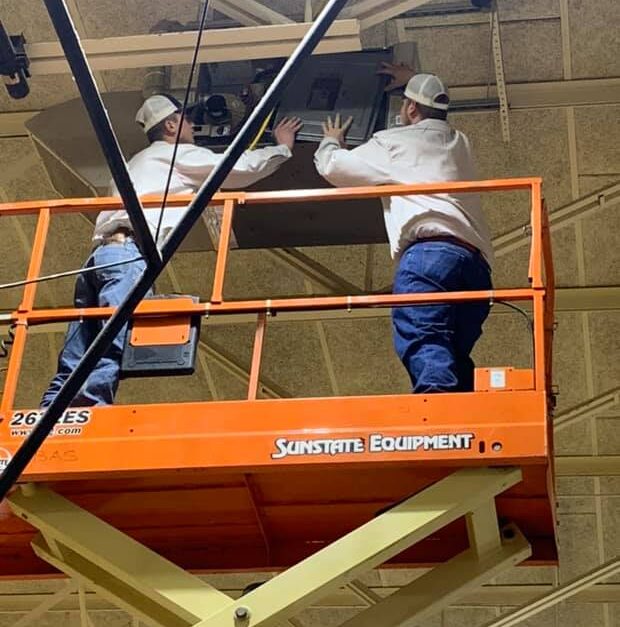
Looking for Heating Systems across Pettibone?
Climate Control A/C & Heating looks after climate equipment for homes and businesses in the surrounding towns.
Dial 512-446-4020 to start the conversation.
Heat and Humidity – Built for a Long Haul
Warm weather in Pettibone stretches across much of the calendar; a cooling system here logs far more running hours than one in a mild climate.
Sticky air can make a cool room feel uncomfortable; the indoor coil acts as the dehumidifier, collecting water that leaves through a drain line.
Capacity, airflow and cleanliness work together, and a weakness in one shows up as a house that never feels quite right, and each one is something a technician can check on site.
How Air Conditioning Works – Heat Moves, Cold Is Not Made
Air conditioning is the business of relocating heat; it collects heat inside the house and dumps it into the outdoor air.
The indoor coil is where the cooling happens, with the compressor outside squeezing the refrigerant so the heat can leave.
The contactor, the capacitor and the motors take a beating in hot weather; the compressor itself can last a long time when it is kept clean and properly charged.
When the House Stops Cooling – Finding the Real Cause
Air conditioning repair begins with finding out why the system quit, not with swapping parts, and each of those causes needs a different fix.
A tripped breaker, a failed capacitor or a worn contactor keeps the outdoor unit from starting, and these are among the quicker repairs when the technician has the part.
Frost on the indoor coil or the copper line is a warning sign, not a cooling success; switching the system off and letting it thaw protects the equipment until it can be checked.
Refrigerant is sealed in a loop and does not get used up; topping off a leaking system is a temporary patch that lets the problem return.
Clogged condensate drains are a quiet cause of water stains and shutdowns, and clearing the line is routine maintenance work.
Warning Signs – Before a Breakdown
Cooling equipment usually gives notice before it fails outright, and every item below is a reason to schedule a visit:
- Some rooms that never cool down while the system runs nonstop.
- A buzzing or clicking sound at startup, often getting louder from one week to the next.
- A system that turns on and off in short cycles, even though the thermostat is satisfied.
- Pooling water under the furnace or air handler, which deserves a look before damage spreads.
Tune-Ups for Cooling Gear – Small Tasks, Long Equipment Life
Scheduled air conditioning maintenance gives a technician a look at the system while it still works; the checklist stays short enough to repeat every season.
Dirty filters are the single easiest thing for an owner to handle; homes with pets, dust or a constant run schedule need fresh filters more often.
Heat flows through each of the coils, and each one loses capacity when it collects dirt, and reading the numbers shows whether anything is drifting out of range.
Deciding on a New System: Questions to Ask First
Air conditioning equipment reaches a point where a new system makes more sense than another fix, with the condition of the compressor and coils weighing heavily.
The refrigerant a system uses is worth asking about when a repair involves the sealed loop; matching parts and refrigerant correctly keeps the whole loop reliable.
Variable-speed designs hold temperature and humidity more precisely than single-stage units, which matters most where the system runs for months.
Sizing and Setup – a Calculation, Not a Guess
AC install work succeeds or fails on sizing and airflow before any equipment is delivered, and the standard method for homes is a room-by-room heat gain calculation.
Equipment that is too big runs in bursts, which hurts comfort and efficiency alike, and a proper calculation avoids both extremes.
Every connection, from the refrigerant lines to the thermostat wire, gets sized and routed with care; commissioning measurements confirm that the system performs as designed.
Ducts – Where Comfort Is Won or Lost
In many houses, the ducts decide whether a new system performs as promised, and leaks, bad bends and poor insulation waste a large share of the effort.
Attic duct work in Texas sees extreme heat, so insulation and tight seams earn their keep; return air paths deserve the same attention as the supply side.
Duct Cleaning – Reasons and Limits
Cleaning the ducts means pulling loose material out with agitation tools and a strong vacuum, and it makes the most sense after a renovation, a pest problem or visible contamination.
Filtering, sealing and cleaning form one plan, not three separate jobs, and a plain look inside the duct tells the real story.
Reversible Systems – Efficient Most of the Year
A heat pump is an air conditioner that can run backward to warm the house; one outdoor unit does the work of two.
A heat pump may call on backup heat during a hard freeze or while defrosting its coil; steam from the outdoor unit during defrost is normal.
Furnace Basics: How a Furnace Heats a House
Gas furnaces rely on an igniter, a flame sensor and a gas valve working in sequence; a cracked heat exchanger is a safety issue that calls for a prompt professional look.
A technician checks venting, gas pressure and the heat exchanger during a furnace tune-up, and stored items near the unit can block airflow and combustion air.
Heating With Electricity: What to Expect From It
Electric heating systems have no burner, no flue and no combustion byproducts; the electrical safety devices do the most important work.
The trade-off with electric heat is simple equipment against higher running use, particularly where cold stretches are brief.
Heating Services – Test Before You Need It
Heating season in this part of Texas is brief, with sudden swings between warm days and freezing nights; running the heater briefly in fall shows whether it lights, blows warm air and shuts off properly.
Heating services cover igniters and burners on gas units, reversing valves on heat pumps and elements on electric ones; one failed switch can shut down an otherwise healthy system.
Hot-Water Heating – Quiet, Even Heat
Hydronic heating moves heat with water instead of air, which makes for quiet, even warmth, and the parts, from circulators to expansion tanks, differ from forced-air equipment.
A boiler tune-up checks combustion, water level, pressure and the controls that keep it safe; leaks near joints deserve prompt attention.
The Air Inside Your Walls – the Part You Cannot See
The air in a house mixes outdoor pollen, indoor dust and chemicals from everyday products, which makes the HVAC system the natural place to improve air quality.
MERV numbers describe how fine a filter catches, and the right one balances capture with airflow; humidity control prevents the conditions mold needs.
Offices, shops and restaurants need steady fresh air so that crowds do not make the space stuffy; scheduled filter changes and coil cleaning keep these systems honest.
Filters, Purifiers and Their Limits: What the Labels Mean
Purifiers remove particles or gases from the air, and they come as whole-home units or portable room models; pollen and dust call for filtration, while odors call for carbon.
Good results come from a purifier chosen to complement the rest of the system, and sizing matters here as much as anywhere.
Keeping Coils Clean Between Visits – Reasonable Expectations
Lamps inside the cabinet work on the coil and pan, and they need replacing on a schedule; the lamp supplements regular cleaning rather than replacing it.
An antimicrobial mist is sprayed or fogged onto surfaces inside the system or the building; the product and method should be explained in advance.
Bringing Outdoor Air In – Controlled and Filtered
Ventilating a building means replacing stale indoor air with fresh outdoor air in a controlled way, and dampers, filters and controls keep the supply of fresh air in balance.
Exhaust fans that move air out of kitchens and baths should vent outdoors, not into the attic; the equipment, the envelope and the airflow work as a team.
Keeping a Workplace Comfortable: From Rooftop Units to Split Systems
Shops, restaurants, offices and churches often rely on rooftop equipment that serves a zone of the building, and filters, belts, coils and drains are the usual checklist items.
Control settings, schedules and thermostats on commercial systems deserve a look when comfort complaints begin, and a technician can map out options on site.
Chiller Systems for Larger Buildings: How They Differ From Packaged Units
A chiller is a large refrigeration machine that chills water for use in many spaces, and water treatment, tube cleaning and refrigerant checks are routine tasks.
Commercial Refrigeration: Walk-Ins, Reach-Ins and More
Refrigeration equipment uses the same basic cycle as air conditioning but at much lower temperatures, which is why restaurants and stores plan service ahead of busy seasons.
How Climate Control A/C & Heating Goes About Heating Systems throughout Pettibone
A good service call begins with listening to what the owner has noticed; readings replace guesses, and the findings are explained in plain language.
Options are laid out clearly, with the reasons behind each recommendation, and the work proceeds only when the owner agrees.
Let's Talk About Your Equipment
Call 512-446-4020 to set up a visit or talk through your options.
Closing Thoughts: Attention Now Saves Trouble Later
Whether the need falls under Heating Systems or elsewhere in the heating, cooling and air quality family, the same principles apply; reach Climate Control A/C & Heating at 512-446-4020 when you are ready.