
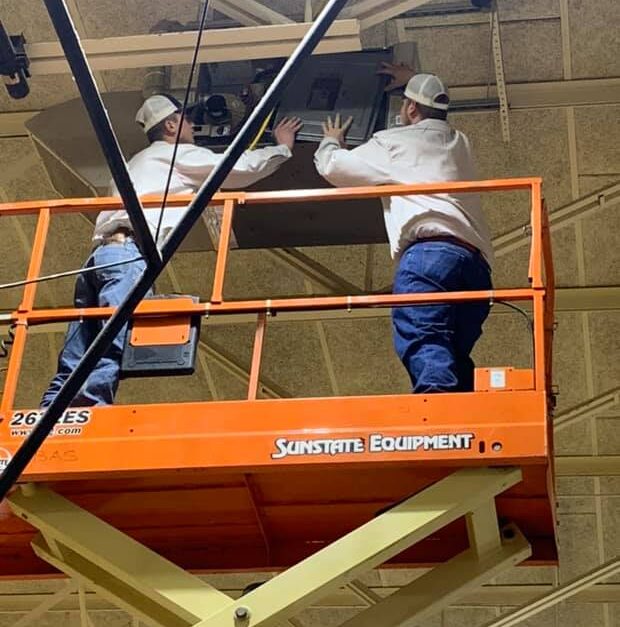
In need of Chiller Systems near Hoyte?
Climate Control A/C & Heating takes on heating, cooling and indoor comfort in the local area.
Dial 512-446-4020 to talk it through.
The Cooling Season – Built for a Long Haul
Hot weather in Hoyte settles in for months at a time; a cooling system here logs far more running hours than one in a mild climate.
Sticky air can make a cool room feel uncomfortable; an air conditioner pulls it out as a side effect of cooling, but only while it is actually running.
Proper equipment size, good airflow and clean surfaces separate a comfortable house from a clammy one, and each one is something a technician can check on site.
The Refrigerant Cycle – Parts and Their Jobs
Air conditioning is the business of relocating heat; refrigerant picks up warmth from indoor air and carries it outside.
The indoor coil is where the cooling happens, with the compressor outside squeezing the refrigerant so the heat can leave.
Wear tends to show up in the electrical components before the big mechanical ones; a failed capacitor is often a small repair rather than the end of the system.
Service Calls in Hot Weather: Where the Fault Usually Hides
Good AC repair is detective work before it is wrench work; the same warm room can come from a dead capacitor, a frozen coil or a leak.
A tripped breaker, a failed capacitor or a worn contactor keeps the outdoor unit from starting; the diagnosis comes before any decision about a bigger job.
Frost on the indoor coil or the copper line is a warning sign, not a cooling success; shutting the cooling off is the safest response until someone inspects it.
A properly working system keeps its charge for good, since nothing burns it off, which is why measuring pressures and temperatures matters more than adding gas.
Clogged condensate drains are a quiet cause of water stains and shutdowns; moisture removed from muggy air adds up to gallons a day.
Clues Your System Is Struggling – What Owners Notice First
Cooling equipment usually gives notice before it fails outright, and the items below are easy to check from inside the house:
- Uneven temperatures from room to room while the system runs nonstop.
- Loud banging when the compressor starts, sometimes only on the hottest afternoons.
- A system that turns on and off in short cycles; parts wear faster.
- Pooling water under the furnace or air handler, particularly after long runs.
Tune-Ups for Cooling Gear: What a Maintenance Visit Covers
Air conditioning maintenance keeps dust, grime and wear from piling up unseen, and the work centers on airflow, cleanliness and electrical health.
Filters catch the dust that would otherwise coat the indoor coil, and a quick check each month is a good habit through the summer.
Heat flows through each of the coils, and each one loses capacity when it collects dirt; the report reflects measurements rather than guesses.
Time for a Change: Weighing the Options Honestly
An old unit that needs repair after repair may be a candidate for AC replacement; the right answer differs from one house to the next.
Refrigerant types have changed over time, so older systems may use one that is hard to find; current equipment follows the refrigerant rules in force today.
Efficiency has improved steadily, and a modern system can use noticeably less electricity, which matters most where the system runs for months.
Sizing and Setup: Details That Shape Comfort
Air conditioning install quality depends on matching capacity to what the building actually needs, and two houses of the same size can need very different equipment.
Equipment that is too big runs in bursts, which hurts comfort and efficiency alike, and a proper calculation avoids both extremes.
A complete installation pairs the condenser, the coil and the air handler as one system, and the installer verifies airflow and charge before leaving the job.
The Hidden Network in the Walls and Attic – What Hides Above the Ceiling
The duct system is as much a part of comfort as the unit that feeds it, which is why the airflow measurement is part of a proper diagnosis.
Ducts that run through a hot attic lose a surprising amount of cooling on the way to the rooms, which can improve comfort without touching the equipment.
Cleaning the Air Paths – Deciding if It Fits
Duct cleaning removes dust and debris from the supply and return runs, the registers and the blower compartment; cleaning is not a substitute for fixing leaks or changing filters.
Cleaning pays off only when the source of the dirt is also addressed, and a careful provider will show the owner what was found inside.
The Two-Way Heat Mover – Efficient Most of the Year
Instead of burning fuel, heat pumps pull warmth from outdoor air and carry it inside, and one system handles both seasons with a single set of equipment.
Auxiliary heat strips back up the heat pump on the coldest mornings; steam from the outdoor unit during defrost is normal.
Fuel-Fired Warmth – the Machinery in the Closet
The sequence in a gas furnace runs from thermostat call to draft fan, igniter, gas valve and flame proof, and a fault in any one step can stop the whole cycle.
A technician checks venting, gas pressure and the heat exchanger during a furnace tune-up; never ignore an alarm or a smell of gas.
Electric Heating Systems: Simple Equipment, Steady Output
Electric heat uses sequenced elements, relays and limit switches to warm the house, which keeps the mechanical side straightforward.
The trade-off with electric heat is simple equipment against higher running use; the choice depends on what fuel is available at the property.
Getting Ready for Cold Weather: Short Winters Still Bite
A hard freeze can arrive with little warning, so heating equipment needs to be ready before it is called on, which is why heating services are well scheduled in fall.
From gas furnaces to heat pumps, each heating system needs different attention before winter, and a technician adjusts the visit to the equipment on site.
Boilers: How Hydronic Systems Differ
Radiant floor and baseboard heating both rely on a boiler to heat the water, and they are less common in Texas than furnaces and heat pumps.
Air in the lines, a stuck valve or a weak pump are common reasons a boiler heats unevenly; water damage can grow quickly.
Cleaner Air Indoors – Sources, Symptoms and Solutions
Good indoor air quality means controlling particles, humidity, fresh air and sources of contamination, and in Texas, cedar pollen and spring dust can find their way inside.
Filter grade matters, but a very dense filter in the wrong system can choke the airflow; the system and the filter are chosen together.
Commercial air quality involves larger volumes, more occupants and strict airflow requirements, which is why commercial properties usually benefit from regular service visits.
Cleaning the Air Itself – Useful, With Realistic Goals
Some purifiers capture particles with high-efficiency filters, and others target odors with carbon; a device that makes bold promises deserves a second look.
Purifiers help most when the air handler is clean, the ducts are sealed and humidity is under control; the goal is a measurable improvement, not a gadget.
UV Lights and Antimicrobial Mist – Reasonable Expectations
Lamps inside the cabinet work on the coil and pan, and they need replacing on a schedule; ask what the lamp targets and how often it needs service.
Fogging a space with antimicrobial mist is a surface treatment, not a cure for a moisture problem; the underlying cause still has to be fixed.
Ventilation Done Right: the Case for Planned Airflow
Planned ventilation brings in measured amounts of outdoor air and exhausts the stale air; an energy recovery ventilator can trade heat and moisture between the two airstreams.
A hot attic loads up the ceiling and the ducts, so attic ventilation and insulation help the system; improvements can start with simple, low-effort fixes.
Keeping a Workplace Comfortable: From Rooftop Units to Split Systems
Every commercial air conditioning system serves a space with different loads from a house, such as crowds, lighting and equipment; a break in cooling can mean lost customers or a workday cut short.
Condensate drains on rooftops clog with debris, and the water can stain ceilings below; a clear plan helps the business stay open.
Cooling at Scale: How They Differ From Packaged Units
Chiller systems cool water, and pumps carry the chilled water through pipes to air handlers throughout a building; air-cooled and water-cooled designs differ in how they reject heat.
Coolers, Freezers and Ice Machines: What Service Involves
Walk-in coolers rely on evaporators, condensing units, defrost systems and door seals working together, which is why restaurants and stores plan service ahead of busy seasons.
How Climate Control A/C & Heating Approaches Chiller Systems in Hoyte
Conversation comes first, because the owner knows the symptoms better than anyone; the owner understands the situation before any decision.
The owner hears what needs to happen now, what can wait and what is optional, and the work proceeds only when the owner agrees.
Comfort Is a Phone Call Away
Contact us at 512-446-4020 to schedule service or ask what makes sense for your building.
A Last Word: Attention Now Saves Trouble Later
Whether the need falls under Chiller Systems or elsewhere in the heating, cooling and air quality family, the same principles apply; Climate Control A/C & Heating can walk through the choices with you.