
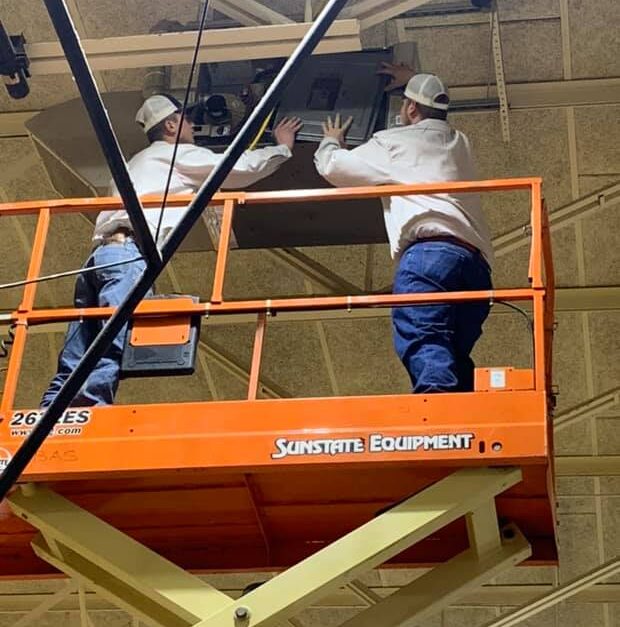
Shopping around for Commercial Air Quality around Marak?
Climate Control A/C & Heating works on heating, cooling and indoor comfort here at home.
Reach us at 512-446-4020 to start the conversation.
Summer Load – the Setting for Every Choice
A Marak summer stacks hot afternoon after hot afternoon, which means a cooling unit seldom rests between spring and fall.
Sticky air can make a cool room feel uncomfortable; a cooling system dehumidifies only when the compressor is on and air is moving across the coil.
Proper equipment size, good airflow and clean surfaces separate a comfortable house from a clammy one, regardless of which brand is on the cabinet.
Moving Heat Outdoors: a Plain Explanation
Nothing in a cooling system generates cold air from scratch; refrigerant picks up warmth from indoor air and carries it outside.
A cold coil indoors takes in heat while the blower keeps air moving; outdoors, a fan pulls air across the condenser coil to shed the load.
The contactor, the capacitor and the motors take a beating in hot weather, and that is good news, because they are far simpler to fix than a compressor.
Service Calls in Hot Weather – Finding the Real Cause
A proper air conditioning repair sorts the symptom from the cause before anything is replaced, and a house that is warm may have an electrical fault, an airflow problem or a refrigerant problem.
A unit that clicks and does nothing may be waiting on a bad contactor or a dead control board, and they usually repair cleanly because the parts are small.
A coil that ices over points toward airflow or refrigerant; switching the system off and letting it thaw protects the equipment until it can be checked.
Low refrigerant means a leak, because the charge stays put when the loop is tight, which is why measuring pressures and temperatures matters more than adding gas.
Clogged condensate drains are a quiet cause of water stains and shutdowns, and the fix is usually quick once the blockage is found.
Clues Your System Is Struggling: Small Changes, Big Hints
Air conditioners seldom quit without hints along the way; these are the signs a homeowner can see, hear or feel without any tools:
- One end of the house that feels warmer while the system runs nonstop.
- A burning smell from the vents, whether or not the cooling seems to work.
- A system that turns on and off in short cycles, with indoor humidity climbing.
- Water around the air handler, especially in humid weather.
Preventive Service: Catching Trouble Before It Grows
AC maintenance is a set of simple, repeatable tasks that keep a cooling system efficient; the checklist stays short enough to repeat every season.
A clogged filter chokes the blower and starves the coil of air; the label on the filter and the look of its surface are a reliable guide.
A technician cleans or inspects the outdoor coil, the indoor coil and the condensate drain, and reading the numbers shows whether anything is drifting out of range.
Repair or Replace – Age, Condition and Efficiency
An old unit that needs repair after repair may be a candidate for AC replacement; the right answer differs from one house to the next.
A system built around a retired refrigerant can be a poor candidate for major repairs, and that can tip a close decision toward replacement.
Newer cooling equipment is generally more efficient than older models, and comfort improves along with the numbers.
Getting an Install Right: the Groundwork Matters
Choosing equipment for an AC install means working out how much heat the structure gains; orientation and shading matter as much as floor area.
Too much capacity leads to short cycling, uneven rooms and a clammy feel, and a proper calculation avoids both extremes.
The outdoor pad, the line set, the electrical disconnect and the drain all need planning, and a startup check confirms the charge, the airflow and the temperature drop.
Ductwork Matters – What Hides Above the Ceiling
Duct work moves the air that the equipment has cooled or heated, so its design shapes every room; a house with comfort problems deserves a look at its air paths.
A long flexible run through a hot attic needs support, sealing and good insulation, which can improve comfort without touching the equipment.
Clearing Out the Channels – Reasons and Limits
Cleaning the ducts means pulling loose material out with agitation tools and a strong vacuum, and the decision should rest on what is actually in the ducts.
Dirt returns quickly if the filter is poor or the returns leak unfiltered air, and claims about health benefits should be treated skeptically.
Cooling and Heating in One: a Natural Fit for Mild Winters
Instead of burning fuel, heat pumps pull warmth from outdoor air and carry it inside, and that makes them efficient in climates with mild winters.
On extremely cold days the heat pump leans on supplemental heat to keep up, but a heat pump that always needs the backup may have a fault.
Burners, Igniters and Flues – Parts, Safety and Service
Gas furnaces burn natural gas or propane in a burner and pass the heat through a heat exchanger; the flue and combustion air must be clear for safe operation.
Combustion appliances produce carbon monoxide, which is why detectors and clear vents matter, and a detector near the sleeping areas gives early warning.
Electric Furnaces and Air Handlers: Simple Equipment, Steady Output
Electric heating systems have no burner, no flue and no combustion byproducts; the electrical safety devices do the most important work.
Resistance heat converts every unit of power to heat, while a heat pump moves several units for each one consumed, and many homes pair a heat pump with strips as a backup.
Getting Ready for Cold Weather: Planning for Sudden Cold
Heating season in this part of Texas is brief, with sudden swings between warm days and freezing nights; heating systems are better checked before they are needed.
Heating systems come in several forms, and the same house may use gas furnaces, heat pumps or electric heating systems, which keeps the work simple to explain and easy to follow.
Boiler Systems – Radiators, Coils and Radiant Floors
Boiler systems appear in older buildings, larger properties and some commercial spaces, and the parts, from circulators to expansion tanks, differ from forced-air equipment.
Pressure, temperature and flame quality are the numbers that matter in a boiler check; neglected boilers corrode inside, so water quality and venting matter.
What You Breathe at Home: Starting With Facts
Good indoor air quality means controlling particles, humidity, fresh air and sources of contamination; the equipment that moves air is also the equipment that carries the contaminants.
Filter grade matters, but a very dense filter in the wrong system can choke the airflow; a deeper media cabinet gives better filtering with less restriction.
Larger buildings circulate air through central equipment, so one fault can reach every room, which is why commercial properties usually benefit from regular service visits.
Air Purification Options – Useful, With Realistic Goals
Some purifiers capture particles with high-efficiency filters, and others target odors with carbon; pollen and dust call for filtration, while odors call for carbon.
A purifier works alongside good ventilation and a clean system, not in place of them, and a conversation about the whole house usually comes first.
UV Lights and Antimicrobial Mist: What They Do and What They Do Not
UV lights install in the air handler and shine on the indoor coil and drain pan to limit microbial growth; bulbs lose strength over time and need changing.
Fogging a space with antimicrobial mist is a surface treatment, not a cure for a moisture problem; the label for the product spells out how it is to be used.
Letting a Building Breathe – Not Too Much, Not Too Little
Ventilating a building means replacing stale indoor air with fresh outdoor air in a controlled way, and dampers, filters and controls keep the supply of fresh air in balance.
Good attic airflow lowers the heat that leaks down into the living space, and a technician who looks at the surroundings sees more than the unit alone.
Commercial Cooling – Planning Around the Business
A commercial AC system is sized for heat from people, lighting and machines as well as sunshine; a break in cooling can mean lost customers or a workday cut short.
Coil cleaning, belt checks and economizer inspections are part of keeping commercial equipment dependable, and replacement decisions weigh downtime as well as equipment.
Central Plant Equipment: Parts and Service Needs
A chiller is a large refrigeration machine that chills water for use in many spaces; the equipment is larger, more complex and more closely monitored.
Refrigeration Service: Temperature Is the Whole Job
Walk-in coolers rely on evaporators, condensing units, defrost systems and door seals working together, and temperature drift is the warning sign to act on.
How Climate Control A/C & Heating Works Through Commercial Air Quality near Marak
Before touching a tool, the technician hears the history of the problem from the person who lives with it, followed by an explanation of what was found and what the choices are.
Honest advice separates the necessary from the optional, and the owner stays in control of the decision.
Comfort Is a Phone Call Away
Contact us at 512-446-4020 to line up service or learn what to expect.
Putting It Together – Equipment, Airflow and Air Quality
Whether the need falls under Commercial Air Quality or elsewhere in the heating, cooling and air quality family, the same principles apply, and Climate Control A/C & Heating answers questions at 512-446-4020.