
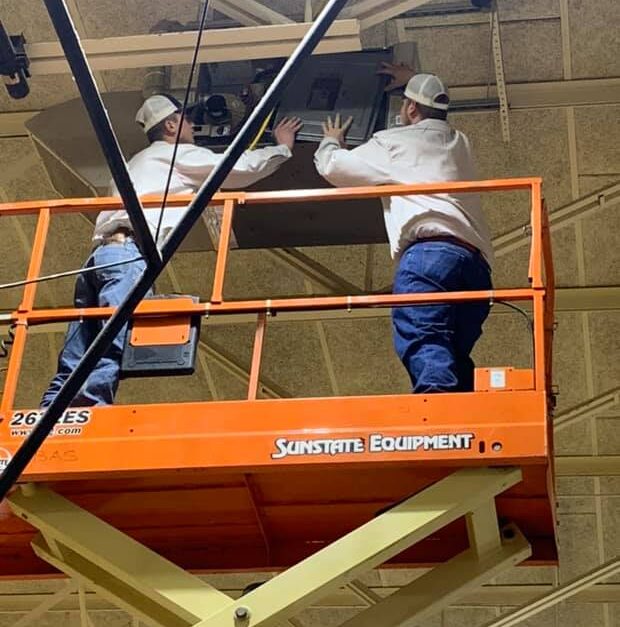
Trying to find Commercial AC System in Rockdale?
Climate Control A/C & Heating works on climate equipment for homes and businesses in the local area.
Phone 512-446-4020 to start the conversation.
Summer Load: the Climate Behind the Equipment
Hot weather in Rockdale settles in for months at a time, and the equipment that carries the load is working harder than its owner tends to notice.
Damp air changes how a house feels at any given temperature, and the coil is where the moisture condenses and drains away.
Right size, steady airflow and a clean coil explain much of how a house feels, and each one is something a technician can check on site.
The Refrigerant Cycle: What Each Piece Does
Air conditioning is the business of relocating heat; it collects heat inside the house and dumps it into the outdoor air.
A cold coil indoors takes in heat while the blower keeps air moving; outdoors, a fan pulls air across the condenser coil to shed the load.
Wear tends to show up in the electrical components before the big mechanical ones, which is why a quick diagnosis matters before anyone talks about replacement.
Diagnosing a Weak Cooling System: Repair Starts With Diagnosis
Good AC repair is detective work before it is wrench work; weak cooling is a symptom that many separate faults share.
Electrical faults are common, with capacitors and contactors leading the list of small failures, and each can be tested with a meter in a few minutes.
A frozen evaporator coil blocks the very air it is supposed to cool; shutting the cooling off is the safest response until someone inspects it.
Refrigerant is not a consumable that needs topping off every season; a responsible repair locates the leak instead of simply adding more.
Clogged condensate drains are a quiet cause of water stains and shutdowns, and a flush of the line during regular service often prevents the problem.
Symptoms Worth Noticing – What Owners Notice First
Air conditioners seldom quit without hints along the way, and the following signs are worth acting on:
- Uneven temperatures from room to room despite thin airflow at the vents.
- A buzzing or clicking sound at startup, often getting louder from one week to the next.
- An outdoor unit that starts and stops every few minutes; parts wear faster.
- Condensation where there should be none, particularly after long runs.
Keeping Equipment Healthy – Small Tasks, Long Equipment Life
Air conditioning maintenance keeps dust, grime and wear from piling up unseen, and the visit usually combines cleaning, measuring and tightening.
The air filter is the part most under the homeowner's own control, and how often it needs changing depends on the filter type, pets and the season.
Coils, drain pans and drain lines all get attention during a complete tune-up; temperature drop and refrigerant pressures are measured to show how the loop is behaving.
Deciding on a New System – Age, Condition and Efficiency
Replacement is worth considering once repairs pile up on equipment that was already aging; the decision belongs to the owner, who deserves the facts.
Older equipment may use a refrigerant that has been phased out of new production; matching parts and refrigerant correctly keeps the whole loop reliable.
Variable-speed designs hold temperature and humidity more precisely than single-stage units, which matters most where the system runs for months.
Sizing and Setup: Details That Shape Comfort
An air conditioning install starts with a load calculation, not a rule of thumb, and the standard method for homes is a room-by-room heat gain calculation.
A unit that is too large satisfies the thermostat fast and leaves the humidity behind; careful sizing protects comfort and the equipment.
Matched components perform to their design efficiency, while mismatched ones fall short, and a startup check confirms the charge, the airflow and the temperature drop.
Duct System Basics – What Hides Above the Ceiling
Good duct work delivers the right amount of air to each room and brings it back again; undersized trunks, kinked runs and open seams all choke the flow.
Runs through an unconditioned attic or crawl space gain heat or lose chill unless sealed and wrapped, and a technician can often find the leaks with a pressure test.
Cleaning the Air Paths: Worth Doing at the Right Time
Air passages collect dust, and duct cleaning is the way to clear it from the inside, and the decision should rest on what is actually in the ducts.
Filtering, sealing and cleaning form one plan, not three separate jobs, and a careful provider will show the owner what was found inside.
Cooling and Heating in One – Efficient Most of the Year
Heat pumps use the same refrigerant loop as an air conditioner, with a reversing valve added, which suits places where freezing weather is brief.
Defrost cycles and backup heat are normal parts of winter operation; watch for unusually high bills as a hint.
Fuel-Fired Warmth: Reliable Heat for Cold Fronts
Gas furnaces burn natural gas or propane in a burner and pass the heat through a heat exchanger, and a fault in any one step can stop the whole cycle.
A technician checks venting, gas pressure and the heat exchanger during a furnace tune-up, and the furnace check is well timed before the first cold front arrives.
All-Electric Warmth: Simple Equipment, Steady Output
An electric furnace passes air over banks of resistance elements that glow when energized; the electrical safety devices do the most important work.
Resistance heat converts every unit of power to heat, while a heat pump moves several units for each one consumed, particularly where cold stretches are brief.
Warmth When the Front Arrives: Planning for Sudden Cold
A hard freeze can arrive with little warning, so heating equipment needs to be ready before it is called on; running the heater briefly in fall shows whether it lights, blows warm air and shuts off properly.
A heating service call looks at the heat source, the blower, the filter, the thermostat and the airflow; one failed switch can shut down an otherwise healthy system.
Boiler Systems: Less Common, Still Important
Radiant floor and baseboard heating both rely on a boiler to heat the water, and the parts, from circulators to expansion tanks, differ from forced-air equipment.
The relief valve and low-water cutoff protect a boiler, so they get tested during service, and annual attention keeps these systems running quietly.
What You Breathe at Home: Beyond Temperature and Humidity
Good indoor air quality means controlling particles, humidity, fresh air and sources of contamination; the equipment that moves air is also the equipment that carries the contaminants.
Residential air quality improves when the filter fits the system and gets changed on schedule; the system and the filter are chosen together.
Commercial air quality depends on ventilation rates, filtration and the upkeep of rooftop equipment, and employee and customer comfort both depend on it.
Purifiers: What the Labels Mean
Some purifiers capture particles with high-efficiency filters, and others target odors with carbon; any claims about performance should be checked against the specification.
A purifier works alongside good ventilation and a clean system, not in place of them; a technician looks at the system before recommending a device.
Add-On Air Treatments: Where They Fit
UV lights are a common add-on in humid climates, where the evaporator coil stays wet for months, and a technician can explain which kind fits a given air handler.
An antimicrobial mist is sprayed or fogged onto surfaces inside the system or the building; the underlying cause still has to be fixed.
Ventilation Done Right – Not Too Much, Not Too Little
Modern buildings are tight, so ventilating on purpose keeps carbon dioxide and odors from building up, which is where design and service make a real difference.
A hot attic loads up the ceiling and the ducts, so attic ventilation and insulation help the system, and this is another reason the whole building matters.
Business Climate Control: From Rooftop Units to Split Systems
A commercial AC system is often a rooftop package unit that holds the compressor, the coils and the blower in one cabinet, which is why many businesses plan service around their schedule.
Control settings, schedules and thermostats on commercial systems deserve a look when comfort complaints begin, and replacement decisions weigh downtime as well as equipment.
Chillers: Parts and Service Needs
Chiller systems are used in large offices, schools, hospitals and industrial plants; air-cooled and water-cooled designs differ in how they reject heat.
Commercial Refrigeration – Why Failures Matter Fast
A refrigeration problem is often found in the condenser, the defrost control or a worn door gasket; regular cleaning of condenser coils matters even more than in comfort cooling.
How Climate Control A/C & Heating Works Through Commercial AC System around Rockdale
The technician asks what changed, what is happening and how long it has been going on; readings replace guesses, and the findings are explained in plain language.
Honest advice separates the necessary from the optional; nothing starts without a clear understanding.
Questions About Your System Are Welcome
Reach out at 512-446-4020 to book a technician or get a straight answer.
Putting It Together: Small Habits, Big Difference
From Commercial AC System to routine upkeep, good outcomes come from understanding the equipment and caring for it; Climate Control A/C & Heating can walk through the choices with you.