
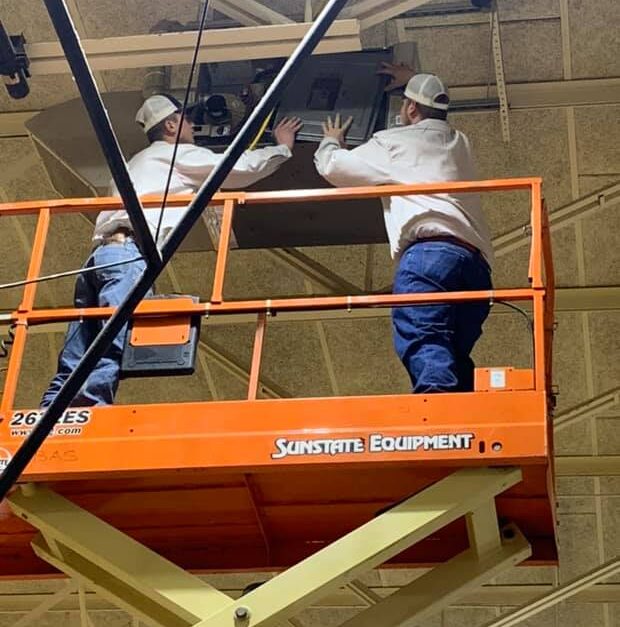
In need of AC Maintenance around Gause?
Climate Control A/C & Heating services heating, cooling and indoor comfort in the surrounding towns.
Reach us at 512-446-4020 and ask a real question.
A Hot, Wet Climate: the Climate Behind the Equipment
Hot weather in Gause settles in for months at a time, which means a cooling unit seldom rests between spring and fall.
Water vapor rides along with the heat on a muggy afternoon; an air conditioner pulls it out as a side effect of cooling, but only while it is actually running.
Proper equipment size, good airflow and clean surfaces separate a comfortable house from a clammy one, regardless of which brand is on the cabinet.
How Air Conditioning Works: the Basics Worth Knowing
A central air conditioner is a heat mover, not a cold maker; refrigerant picks up warmth from indoor air and carries it outside.
The indoor coil is where the cooling happens, and the condensing unit in the yard completes the loop by getting rid of the heat.
Parts that wear out fastest are usually the small electrical ones; the compressor itself can last a long time when it is kept clean and properly charged.
Problems Behind a Warm House: Where the Fault Usually Hides
A proper air conditioning repair sorts the symptom from the cause before anything is replaced, and a house that is warm may have an electrical fault, an airflow problem or a refrigerant problem.
A unit that clicks and does nothing may be waiting on a bad contactor or a dead control board, and they usually repair cleanly because the parts are small.
Frost on the indoor coil or the copper line is a warning sign, not a cooling success; the coil needs to thaw completely before anyone can measure what is going on.
The charge in a cooling system is fixed, so a shortage points to escape; a responsible repair locates the leak instead of simply adding more.
Condensate has to leave the house, so a blocked line sends it somewhere less welcome, and clearing the line is routine maintenance work.
When to Call for Service – What Owners Notice First
Most breakdowns announce themselves with small changes in behavior, and every item below is a reason to schedule a visit:
- Rooms that stay warm despite thin airflow at the vents.
- A hissing noise near the refrigerant lines, whether or not the cooling seems to work.
- A system that turns on and off in short cycles; parts wear faster.
- Damp spots on the ceiling below the indoor cabinet, particularly after long runs.
Routine Care – Small Tasks, Long Equipment Life
Regular AC maintenance trims the chance of a breakdown during the hottest week; the technician cleans what gets dirty and measures what can drift.
The air filter is the part most under the homeowner's own control, and a quick check each month is a good habit through the summer.
Dirt on the condenser makes the compressor run hotter, so that coil gets cleaned too; tightening electrical connections is a standard part of the job.
Time for a Change: How Owners Decide
The conversation about replacement starts when age, condition and comfort all point the same way, and an honest technician explains both paths.
Older equipment may use a refrigerant that has been phased out of new production; matching parts and refrigerant correctly keeps the whole loop reliable.
Variable-speed designs hold temperature and humidity more precisely than single-stage units; the benefit grows in houses that rely on cooling much of the year.
Getting an Install Right – a Calculation, Not a Guess
Air conditioning install quality depends on matching capacity to what the building actually needs, and two houses of the same size can need very different equipment.
Too much capacity leads to short cycling, uneven rooms and a clammy feel; one that is too small never reaches the setpoint on the hottest days.
Every connection, from the refrigerant lines to the thermostat wire, gets sized and routed with care; the owner then gets a walk-through of the thermostat and the filter.
Ductwork Matters: the Lungs of the House
A duct system is the network of channels that carry conditioned air to every room and returns it for re-cooling; a house with comfort problems deserves a look at its air paths.
Ducts that run through a hot attic lose a surprising amount of cooling on the way to the rooms; the usual fix is sealing the seams, supporting the runs and adding insulation.
Duct Cleaning: Worth Doing at the Right Time
Air passages collect dust, and duct cleaning is the way to clear it from the inside, and it makes the most sense after a renovation, a pest problem or visible contamination.
Filtering, sealing and cleaning form one plan, not three separate jobs; ask to see before-and-after photos of the work.
The Two-Way Heat Mover: Strengths and Limits
Heat pumps move heat in both directions, cooling in summer and heating in winter, and that makes them efficient in climates with mild winters.
A heat pump may call on backup heat during a hard freeze or while defrosting its coil; steam from the outdoor unit during defrost is normal.
Heating With Gas: How a Furnace Heats a House
Gas furnaces rely on an igniter, a flame sensor and a gas valve working in sequence, and a dirty flame sensor is a frequent reason for a furnace that lights and then shuts off.
Carbon monoxide detectors belong in any home with fuel-burning equipment, and homeowners should keep the area around the furnace clear of clutter.
Electric Furnaces and Air Handlers – Where It Fits Best
An electric furnace passes air over banks of resistance elements that glow when energized, which keeps the mechanical side straightforward.
The trade-off with electric heat is simple equipment against higher running use, and a technician can explain how each option behaves in a mild climate.
Heating Services – Reliable Heat on Demand
Heating season in this part of Texas is brief, with sudden swings between warm days and freezing nights; heating systems are better checked before they are needed.
Heating services cover igniters and burners on gas units, reversing valves on heat pumps and elements on electric ones; the common thread is clean air passages and a blower that moves enough air.
Hydronic Warmth: Less Common, Still Important
A boiler warms water in a closed loop, and pumps circulate it to the rooms, but a building with a boiler needs service from someone who knows hydronics.
Air in the lines, a stuck valve or a weak pump are common reasons a boiler heats unevenly; water damage can grow quickly.
The Air Inside Your Walls – Sources, Symptoms and Solutions
The air in a house mixes outdoor pollen, indoor dust and chemicals from everyday products; allergy seasons put extra load on filters and ducts.
MERV numbers describe how fine a filter catches, and the right one balances capture with airflow; humidity control prevents the conditions mold needs.
Businesses face their own air issues, from shared air handlers to customers coming and going all day; ventilation rules for occupied spaces set a baseline.
Purifiers: Sorting Fact From Marketing
Purifiers remove particles or gases from the air, and they come as whole-home units or portable room models; pollen and dust call for filtration, while odors call for carbon.
A purifier works alongside good ventilation and a clean system, not in place of them, and sizing matters here as much as anywhere.
Add-On Air Treatments – Tools for a Damp Climate
Lamps inside the cabinet work on the coil and pan, and they need replacing on a schedule; ask what the lamp targets and how often it needs service.
Fogging a space with antimicrobial mist is a surface treatment, not a cure for a moisture problem; the underlying cause still has to be fixed.
Ventilating – Not Too Much, Not Too Little
Ventilating also removes moisture from kitchens and baths before it settles into the structure, and in a humid climate the incoming air needs dehumidifying.
Ductwork that dumps moisture into an attic can create damage far from the source, and the same attention applies to the whole building.
Commercial Cooling: Uptime Matters
Commercial air conditioning system designs range from rooftop packages to split systems and multi-zone setups; planned maintenance keeps surprises to a minimum.
Control settings, schedules and thermostats on commercial systems deserve a look when comfort complaints begin, and a technician can map out options on site.
Central Plant Equipment: How They Differ From Packaged Units
A building with chilled water pulls its cooling from a central plant rather than separate rooftop units, and water treatment, tube cleaning and refrigerant checks are routine tasks.
Keeping Food and Product Cold – Why Failures Matter Fast
Walk-in coolers rely on evaporators, condensing units, defrost systems and door seals working together, and food safety rules set limits that equipment must keep.
How Climate Control A/C & Heating Goes About AC Maintenance around Gause
Every visit starts with questions about what the equipment has been doing and when, and then the system gets inspected with gauges, meters and a careful eye.
A repair, a tune-up and a replacement are each described for what they are and what they involve, and the owner stays in control of the decision.
Comfort Is a Phone Call Away
Call 512-446-4020 to set up a visit or talk through your options.
Closing Thoughts: Comfort Is a System
From AC Maintenance to routine upkeep, good outcomes come from understanding the equipment and caring for it, and Climate Control A/C & Heating answers questions at 512-446-4020.