
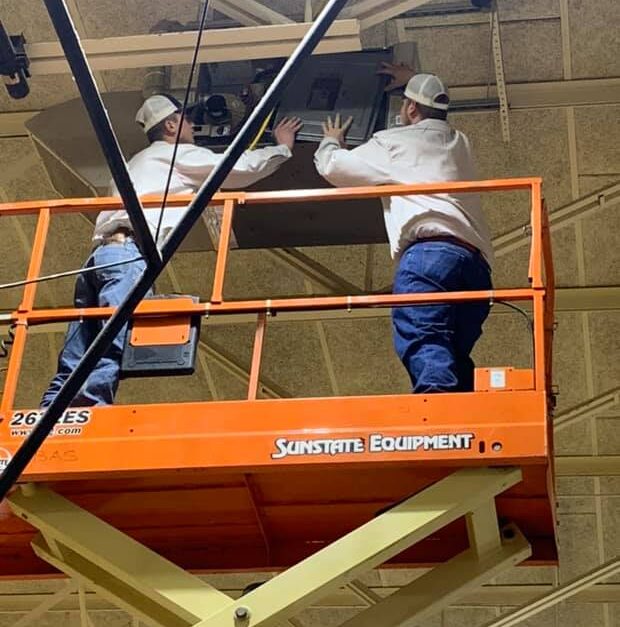
Searching for Commercial Air Conditioning System near Marak?
Climate Control A/C & Heating services comfort equipment of every kind in the local area.
Phone 512-446-4020 and ask a real question.
What Summer Asks of a System: the Climate Behind the Equipment
A Marak summer stacks hot afternoon after hot afternoon; the machine on the pad outside is among the busiest appliances a household owns.
Damp air changes how a house feels at any given temperature; the indoor coil acts as the dehumidifier, collecting water that leaves through a drain line.
Proper equipment size, good airflow and clean surfaces separate a comfortable house from a clammy one, regardless of which brand is on the cabinet.
How Air Conditioning Works – Parts and Their Jobs
Nothing in a cooling system generates cold air from scratch; warmth is absorbed in one coil and released in another.
The air handler holds the indoor coil and the blower that pushes air across it, and the condensing unit in the yard completes the loop by getting rid of the heat.
Parts that wear out fastest are usually the small electrical ones; a failed capacitor is often a small repair rather than the end of the system.
Diagnosing a Weak Cooling System – Sorting Symptoms From Causes
A thorough air conditioning repair starts with a diagnosis rather than a hunch, and a house that is warm may have an electrical fault, an airflow problem or a refrigerant problem.
If the outdoor unit is silent, power, a breaker and the low-voltage wiring are the first suspects, and each can be tested with a meter in a few minutes.
A coil that ices over points toward airflow or refrigerant, and running the system while it is frozen can damage the compressor.
Refrigerant is sealed in a loop and does not get used up, and adding more without finding the leak only delays the same problem.
Clogged condensate drains are a quiet cause of water stains and shutdowns, though a stopped system after heavy use is a good moment to check it.
Trouble You Can See and Hear: Trust Your Senses
Air conditioners seldom quit without hints along the way; the list below covers what owners tend to notice:
- Supply air that feels weak or lukewarm even though the blower sounds normal.
- A buzzing or clicking sound at startup, particularly at the start of a cycle.
- Constant starting and stopping through the afternoon, leaving the indoor air damp.
- Damp spots on the ceiling below the indoor cabinet, often tracing back to the drain line.
Preventive Service – Small Tasks, Long Equipment Life
Routine AC maintenance heads off the kind of failure that arrives on a hot afternoon, and the visit usually combines cleaning, measuring and tightening.
The air filter is the part most under the homeowner's own control; the label on the filter and the look of its surface are a reliable guide.
Dirt on the condenser makes the compressor run hotter, so that coil gets cleaned too; tightening electrical connections is a standard part of the job.
Repair or Replace: How Owners Decide
The conversation about replacement starts when age, condition and comfort all point the same way, with the condition of the compressor and coils weighing heavily.
Some older units run on refrigerant that is now scarce, which affects repair decisions; current equipment follows the refrigerant rules in force today.
Newer cooling equipment is generally more efficient than older models, which matters most where the system runs for months.
Matching a System to a House: the Groundwork Matters
Air conditioning install quality depends on matching capacity to what the building actually needs, which is why square footage alone is a poor guide.
Equipment that is too big runs in bursts, which hurts comfort and efficiency alike; careful sizing protects comfort and the equipment.
Matched components perform to their design efficiency, while mismatched ones fall short, and the installer verifies airflow and charge before leaving the job.
Ducts: the Lungs of the House
Good duct work delivers the right amount of air to each room and brings it back again, which is why the airflow measurement is part of a proper diagnosis.
Runs through an unconditioned attic or crawl space gain heat or lose chill unless sealed and wrapped; return air paths deserve the same attention as the supply side.
Clearing Out the Channels: Realistic Expectations
A duct cleaning visit reaches the trunk lines, the branches and the grilles; cleaning is not a substitute for fixing leaks or changing filters.
A cleaning that ignores leaks and filtration is a short-term fix at best, and be cautious of anyone who promises that cleaning will cure every problem.
The Two-Way Heat Mover: Strengths and Limits
The reversing valve is what lets heat pumps switch between cooling and heating; in Texas, cold snaps are short, so a heat pump covers most of the heating season.
When outdoor temperatures fall far enough, electric strips or a furnace add the missing warmth, but a heat pump that always needs the backup may have a fault.
Heating With Gas: What Owners Should Know
Inside a gas furnace, a burner lights, a heat exchanger warms up and the blower pushes air across it, and the sequence is why furnaces need testing before cold weather.
Carbon monoxide detectors belong in any home with fuel-burning equipment, and stored items near the unit can block airflow and combustion air.
Heating With Electricity: Simple Equipment, Steady Output
Electric heating systems have no burner, no flue and no combustion byproducts, and the equipment is simple, with few moving parts.
Resistance heat converts every unit of power to heat, while a heat pump moves several units for each one consumed, and many homes pair a heat pump with strips as a backup.
Heating Services: What to Do Before the First Freeze
The heating season is short enough that equipment sits unused for months, then must work on the first cold night, and a test on a mild day beats a surprise on a freezing one.
Heating systems come in several forms, and the same house may use gas furnaces, heat pumps or electric heating systems, and a technician adjusts the visit to the equipment on site.
Heating With Water: How Hydronic Systems Differ
Boiler systems heat water or make steam and send it through pipes to radiators, baseboards or in-floor loops; the region mostly uses forced air, so boilers are the exception.
Service on boiler systems covers the burner, the water pressure, the circulator pump, the expansion tank and the safety relief valve; water damage can grow quickly.
The Air Inside Your Walls – the Part You Cannot See
The air in a house mixes outdoor pollen, indoor dust and chemicals from everyday products, and cleaner air depends on filtration, ventilation and moisture control working together.
Filter grade matters, but a very dense filter in the wrong system can choke the airflow, and a technician can recommend what the equipment can handle.
Commercial air quality depends on ventilation rates, filtration and the upkeep of rooftop equipment, and employee and customer comfort both depend on it.
Choosing an Air Cleaner: What the Labels Mean
Whole-home purifiers treat air as it passes through the system, while portable ones clean a single space; any claims about performance should be checked against the specification.
A purifier works alongside good ventilation and a clean system, not in place of them, and a conversation about the whole house usually comes first.
UV Lights and Antimicrobial Mist: What They Do and What They Do Not
UV lights are a common add-on in humid climates, where the evaporator coil stays wet for months, and a technician can explain which kind fits a given air handler.
Mist treatments use an approved solution applied by a technician in a controlled way; the product and method should be explained in advance.
Bringing Outdoor Air In: Why Tight Buildings Need It
Modern buildings are tight, so ventilating on purpose keeps carbon dioxide and odors from building up, and in a humid climate the incoming air needs dehumidifying.
Good attic airflow lowers the heat that leaks down into the living space, and this is another reason the whole building matters.
Keeping a Workplace Comfortable: Comfort That Supports the Work
Every commercial air conditioning system serves a space with different loads from a house, such as crowds, lighting and equipment; planned maintenance keeps surprises to a minimum.
Condensate drains on rooftops clog with debris, and the water can stain ceilings below, and replacement decisions weigh downtime as well as equipment.
Cooling at Scale: Where They Make Sense
Instead of cooling air directly, chiller systems cool a water loop that serves coils across the property; air-cooled and water-cooled designs differ in how they reject heat.
Refrigeration Service: Walk-Ins, Reach-Ins and More
Businesses that sell or store food depend on refrigeration service to hold safe temperatures; regular cleaning of condenser coils matters even more than in comfort cooling.
How Climate Control A/C & Heating Thinks About Commercial Air Conditioning System around Marak
A good service call begins with listening to what the owner has noticed, followed by an explanation of what was found and what the choices are.
Options are laid out clearly, with the reasons behind each recommendation, and questions are welcome at every stage.
Let's Talk About Your Equipment
Contact us at 512-446-4020 to line up service or learn what to expect.
A Last Word – Equipment, Airflow and Air Quality
From Commercial Air Conditioning System to routine upkeep, good outcomes come from understanding the equipment and caring for it, with Climate Control A/C & Heating at 512-446-4020 to start the conversation.