
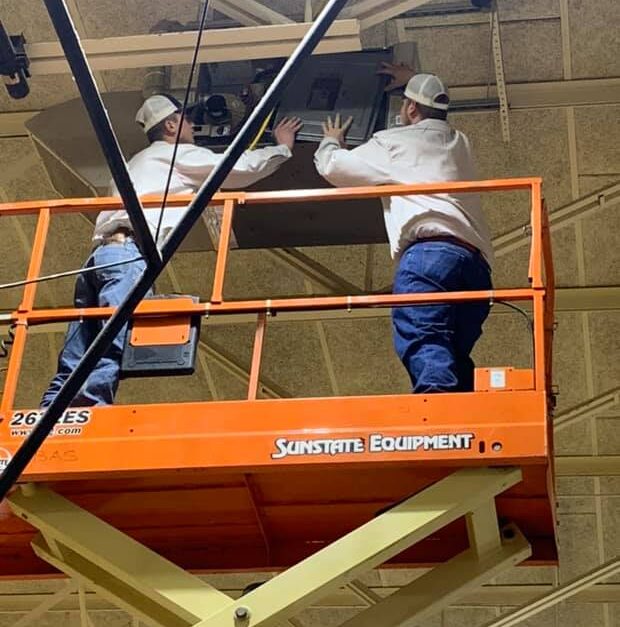
Searching for Commercial AC System throughout Thorndale?
Climate Control A/C & Heating looks after cooling, heating and the air indoors close to home.
Call 512-446-4020 to start the conversation.
Summer Load: the Climate Behind the Equipment
Hot weather in Thorndale settles in for months at a time, and the equipment that carries the load is working harder than its owner tends to notice.
Sticky air can make a cool room feel uncomfortable; an air conditioner pulls it out as a side effect of cooling, but only while it is actually running.
Matching capacity to the house, moving enough air and keeping the coil clean all shape the result, long before a breakdown ever happens.
The Refrigerant Cycle: a Plain Explanation
A central air conditioner is a heat mover, not a cold maker; refrigerant picks up warmth from indoor air and carries it outside.
Inside the house, the evaporator coil does the absorbing, and the outdoor unit holds the compressor and condenser coil that push that heat away.
Parts that wear out fastest are usually the small electrical ones, which is why a quick diagnosis matters before anyone talks about replacement.
Problems Behind a Warm House – Finding the Real Cause
Good AC repair is detective work before it is wrench work; weak cooling is a symptom that many separate faults share.
If the outdoor unit is silent, power, a breaker and the low-voltage wiring are the first suspects, though a part that failed once can point to heat or a loose connection that needs attention.
A frozen evaporator coil blocks the very air it is supposed to cool; switching the system off and letting it thaw protects the equipment until it can be checked.
Low refrigerant means a leak, because the charge stays put when the loop is tight; topping off a leaking system is a temporary patch that lets the problem return.
Algae and debris plug the drain, and many systems have a float switch that stops the cooling; moisture removed from muggy air adds up to gallons a day.
Symptoms Worth Noticing – What Owners Notice First
Air conditioners seldom quit without hints along the way, and every item below is a reason to schedule a visit:
- Uneven temperatures from room to room while the system runs nonstop.
- A burning smell from the vents, especially when the weather is hot.
- Repeated short runs that never finish a cooling cycle, with indoor humidity climbing.
- Water around the air handler, particularly after long runs.
Keeping Equipment Healthy: Habits That Pay Off Later
Regular AC maintenance trims the chance of a breakdown during the hottest week, and the work centers on airflow, cleanliness and electrical health.
Filters catch the dust that would otherwise coat the indoor coil, and how often it needs changing depends on the filter type, pets and the season.
Dirt on the condenser makes the compressor run hotter, so that coil gets cleaned too; capacitors, contactors, wiring and motor amperage get checked as well.
Repair or Replace: How Owners Decide
An old unit that needs repair after repair may be a candidate for AC replacement; the right answer differs from one house to the next.
The refrigerant a system uses is worth asking about when a repair involves the sealed loop; current equipment follows the refrigerant rules in force today.
Efficiency numbers on new equipment, such as SEER2, give a way to compare models fairly; the benefit grows in houses that rely on cooling much of the year.
Sizing and Setup: Where Good Results Begin
Choosing equipment for an AC install means working out how much heat the structure gains, and the standard method for homes is a room-by-room heat gain calculation.
A unit that is too large satisfies the thermostat fast and leaves the humidity behind; careful sizing protects comfort and the equipment.
Matched components perform to their design efficiency, while mismatched ones fall short, and the installer verifies airflow and charge before leaving the job.
Ducts: Moving Air Efficiently
Good duct work delivers the right amount of air to each room and brings it back again, and leaks, bad bends and poor insulation waste a large share of the effort.
Attic duct work in Texas sees extreme heat, so insulation and tight seams earn their keep; return air paths deserve the same attention as the supply side.
Clearing Out the Channels: What It Can and Cannot Do
Duct cleaning removes dust and debris from the supply and return runs, the registers and the blower compartment, and the decision should rest on what is actually in the ducts.
Clean ducts work best alongside a good filter and sealed connections, and be cautious of anyone who promises that cleaning will cure every problem.
Heat Pumps – Why They Suit the Region
A heat pump is an air conditioner that can run backward to warm the house; in Texas, cold snaps are short, so a heat pump covers most of the heating season.
Defrost cycles and backup heat are normal parts of winter operation, but a heat pump that always needs the backup may have a fault.
Furnace Basics – Parts, Safety and Service
Gas furnaces rely on an igniter, a flame sensor and a gas valve working in sequence; the flue and combustion air must be clear for safe operation.
Combustion appliances produce carbon monoxide, which is why detectors and clear vents matter; never ignore an alarm or a smell of gas.
Electric Heating Systems: How the Elements Work
Electric heating systems warm the air with heating elements instead of a flame, and the main wear items are the elements, the sequencers and the blower.
Resistance heat converts every unit of power to heat, while a heat pump moves several units for each one consumed; the decision rests on the building, not just the equipment.
Heating Services: Planning for Sudden Cold
Winters in Texas are short, but cold fronts can drop temperatures sharply in a matter of hours; running the heater briefly in fall shows whether it lights, blows warm air and shuts off properly.
Heating systems come in several forms, and the same house may use gas furnaces, heat pumps or electric heating systems, which keeps the work simple to explain and easy to follow.
Hot-Water Heating: Found in Older and Larger Buildings
Boiler systems appear in older buildings, larger properties and some commercial spaces; the region mostly uses forced air, so boilers are the exception.
The relief valve and low-water cutoff protect a boiler, so they get tested during service, and annual attention keeps these systems running quietly.
Air Quality Basics: Why It Deserves Attention
Residential air quality is shaped by dust, pet dander, cooking fumes, cleaning products and moisture; the equipment that moves air is also the equipment that carries the contaminants.
A better filter helps only if the blower can pull air through it without strain, and sealing return leaks keeps unfiltered air from sneaking around the filter.
Commercial air quality depends on ventilation rates, filtration and the upkeep of rooftop equipment, and a maintenance plan fits the building's size and hours.
Air Purification Options: Sorting Fact From Marketing
Whole-home purifiers treat air as it passes through the system, while portable ones clean a single space, and the right choice depends on what needs removing.
Buying a purifier without fixing a moisture problem treats a symptom and misses the cause; the goal is a measurable improvement, not a gadget.
Keeping Coils Clean Between Visits – Reasonable Expectations
UV lights install in the air handler and shine on the indoor coil and drain pan to limit microbial growth; ask what the lamp targets and how often it needs service.
Fogging a space with antimicrobial mist is a surface treatment, not a cure for a moisture problem; the label for the product spells out how it is to be used.
Ventilating – Not Too Much, Not Too Little
Modern buildings are tight, so ventilating on purpose keeps carbon dioxide and odors from building up; an energy recovery ventilator can trade heat and moisture between the two airstreams.
A hot attic loads up the ceiling and the ducts, so attic ventilation and insulation help the system, and the same attention applies to the whole building.
Keeping a Workplace Comfortable: From Rooftop Units to Split Systems
A commercial AC system is often a rooftop package unit that holds the compressor, the coils and the blower in one cabinet; a break in cooling can mean lost customers or a workday cut short.
Control settings, schedules and thermostats on commercial systems deserve a look when comfort complaints begin; planning a changeout around business hours limits disruption.
Chilled Water Cooling – Big Buildings, Big Loads
A building with chilled water pulls its cooling from a central plant rather than separate rooftop units; air-cooled and water-cooled designs differ in how they reject heat.
Commercial Refrigeration – Equipment With Little Room for Error
Refrigeration service covers walk-in coolers, reach-in units, freezers, display cases and ice machines; regular cleaning of condenser coils matters even more than in comfort cooling.
How Climate Control A/C & Heating Goes About Commercial AC System across Thorndale
The technician asks what changed, what is happening and how long it has been going on, then examines the equipment and measures what can be measured.
The owner hears what needs to happen now, what can wait and what is optional, and the owner stays in control of the decision.
Comfort Is a Phone Call Away
Dial 512-446-4020 to describe what is going on and find the next step.
Closing Thoughts: Small Habits, Big Difference
Equipment, ducts and air quality are connected, so a question about Commercial AC System is rarely a stand-alone one; Climate Control A/C & Heating can walk through the choices with you.