
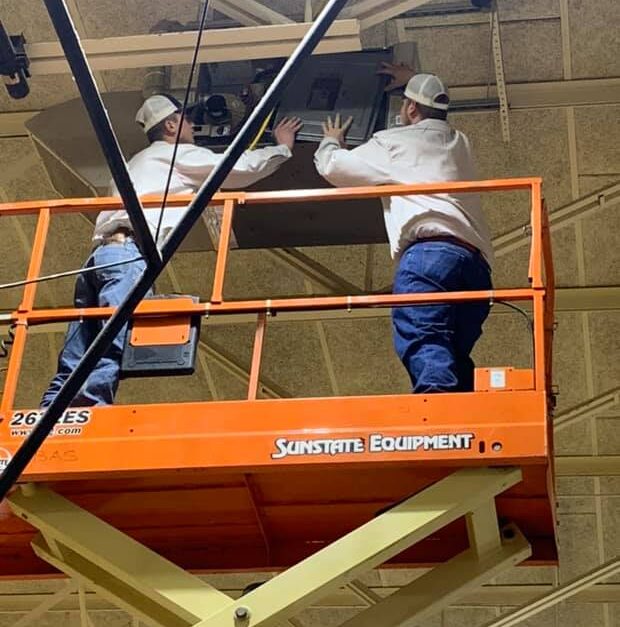
In need of Duct System around Marak?
Climate Control A/C & Heating looks after the equipment that keeps buildings comfortable here at home.
Call 512-446-4020 to start the conversation.
What Summer Asks of a System – the Setting for Every Choice
Summers across Marak run long, hot and humid, and the equipment that carries the load is working harder than its owner tends to notice.
Damp air changes how a house feels at any given temperature; a cooling system dehumidifies only when the compressor is on and air is moving across the coil.
Right size, steady airflow and a clean coil explain much of how a house feels, even before anything breaks.
How Air Conditioning Works: the Basics Worth Knowing
A central air conditioner is a heat mover, not a cold maker; it collects heat inside the house and dumps it into the outdoor air.
The indoor coil is where the cooling happens, and the condensing unit in the yard completes the loop by getting rid of the heat.
Fan motors and start components do a great deal of work for their size; the compressor itself can last a long time when it is kept clean and properly charged.
Diagnosing a Weak Cooling System – Finding the Real Cause
A thorough air conditioning repair starts with a diagnosis rather than a hunch; three very different faults can feel identical from the thermostat.
Electrical faults are common, with capacitors and contactors leading the list of small failures; the diagnosis comes before any decision about a bigger job.
A coil that ices over points toward airflow or refrigerant; the coil needs to thaw completely before anyone can measure what is going on.
Refrigerant is sealed in a loop and does not get used up, and adding more without finding the leak only delays the same problem.
A blocked drain line can back water into the pan and trip a safety switch, and clearing the line is routine maintenance work.
Trouble You Can See and Hear: Spotting Problems Early
Air conditioners seldom quit without hints along the way, and the items below are easy to check from inside the house:
- Some rooms that never cool down even with the thermostat set low.
- A hissing noise near the refrigerant lines, particularly at the start of a cycle.
- A system that turns on and off in short cycles; parts wear faster.
- Damp spots on the ceiling below the indoor cabinet, sometimes from a dirty coil.
Regular Maintenance: Catching Trouble Before It Grows
Air conditioning maintenance keeps dust, grime and wear from piling up unseen; the technician cleans what gets dirty and measures what can drift.
Dirty filters are the single easiest thing for an owner to handle; homes with pets, dust or a constant run schedule need fresh filters more often.
Dirt on the condenser makes the compressor run hotter, so that coil gets cleaned too, and reading the numbers shows whether anything is drifting out of range.
When Replacement Makes Sense: Weighing the Options Honestly
An old unit that needs repair after repair may be a candidate for AC replacement; the decision belongs to the owner, who deserves the facts.
Older equipment may use a refrigerant that has been phased out of new production, and that can tip a close decision toward replacement.
Today's units move the same heat with less power than equipment from a generation ago, and in a long cooling season those savings add up.
Getting an Install Right – Bigger Is Not Better
Proper AC install planning measures the house, the windows, the insulation and the sun exposure; windows, attic insulation and ductwork all change the answer.
An oversized system cools the air quickly and then shuts off before it removes moisture, and a unit that is too small runs constantly without catching up.
The outdoor pad, the line set, the electrical disconnect and the drain all need planning, and local permit and inspection rules apply in most towns.
The Hidden Network in the Walls and Attic: Sizing, Sealing and Insulation
In many houses, the ducts decide whether a new system performs as promised; a house with comfort problems deserves a look at its air paths.
Ducts that run through a hot attic lose a surprising amount of cooling on the way to the rooms, which can improve comfort without touching the equipment.
Duct Cleaning: Worth Doing at the Right Time
Duct cleaning removes dust and debris from the supply and return runs, the registers and the blower compartment; a house with no such history may not need it often.
Clean ducts work best alongside a good filter and sealed connections, and be cautious of anyone who promises that cleaning will cure every problem.
Reversible Systems: How the Technology Works
Heat pumps move heat in both directions, cooling in summer and heating in winter; one outdoor unit does the work of two.
When outdoor temperatures fall far enough, electric strips or a furnace add the missing warmth, but a heat pump that always needs the backup may have a fault.
Gas Furnaces: What Owners Should Know
Gas furnaces rely on an igniter, a flame sensor and a gas valve working in sequence, and the sequence is why furnaces need testing before cold weather.
Combustion appliances produce carbon monoxide, which is why detectors and clear vents matter, and the furnace check is well timed before the first cold front arrives.
Electric Furnaces and Air Handlers – Features and Trade-Offs
Elements in an electric air handler turn current directly into heat, and the main wear items are the elements, the sequencers and the blower.
Resistance heat converts every unit of power to heat, while a heat pump moves several units for each one consumed; the decision rests on the building, not just the equipment.
Heating Systems of Every Type: Short Winters Still Bite
Heating season in this part of Texas is brief, with sudden swings between warm days and freezing nights, and a test on a mild day beats a surprise on a freezing one.
A heating service call looks at the heat source, the blower, the filter, the thermostat and the airflow, and the safety controls get tested along with the comfort ones.
Hot-Water Heating: How Hydronic Systems Differ
Boiler systems appear in older buildings, larger properties and some commercial spaces; the region mostly uses forced air, so boilers are the exception.
The relief valve and low-water cutoff protect a boiler, so they get tested during service; neglected boilers corrode inside, so water quality and venting matter.
What You Breathe at Home – the Part You Cannot See
Residential air quality is shaped by dust, pet dander, cooking fumes, cleaning products and moisture, and in Texas, cedar pollen and spring dust can find their way inside.
Filter grade matters, but a very dense filter in the wrong system can choke the airflow; the system and the filter are chosen together.
Commercial air quality depends on ventilation rates, filtration and the upkeep of rooftop equipment; ventilation rules for occupied spaces set a baseline.
Purifiers – Useful, With Realistic Goals
Some purifiers capture particles with high-efficiency filters, and others target odors with carbon; a device that makes bold promises deserves a second look.
A purifier works alongside good ventilation and a clean system, not in place of them, and sizing matters here as much as anywhere.
UV Lights and Antimicrobial Mist: What They Do and What They Do Not
UV lights install in the air handler and shine on the indoor coil and drain pan to limit microbial growth, and a technician can explain which kind fits a given air handler.
Treatments with antimicrobial mist are used after cleaning, when surfaces are dry and accessible; the label for the product spells out how it is to be used.
Letting a Building Breathe: Balance in a Humid Climate
Ventilating a building means replacing stale indoor air with fresh outdoor air in a controlled way, and in a humid climate the incoming air needs dehumidifying.
A hot attic loads up the ceiling and the ducts, so attic ventilation and insulation help the system, and this is another reason the whole building matters.
Commercial AC Systems: Uptime Matters
Commercial air conditioning system designs range from rooftop packages to split systems and multi-zone setups; a break in cooling can mean lost customers or a workday cut short.
Control settings, schedules and thermostats on commercial systems deserve a look when comfort complaints begin, and a technician can map out options on site.
Cooling at Scale: Where They Make Sense
A chiller is a large refrigeration machine that chills water for use in many spaces, and water treatment, tube cleaning and refrigerant checks are routine tasks.
Cold Storage Equipment – Equipment With Little Room for Error
Refrigeration equipment uses the same basic cycle as air conditioning but at much lower temperatures, which is why restaurants and stores plan service ahead of busy seasons.
How Climate Control A/C & Heating Approaches Duct System near Marak
Conversation comes first, because the owner knows the symptoms better than anyone, followed by an explanation of what was found and what the choices are.
The owner hears what needs to happen now, what can wait and what is optional, and questions are welcome at every stage.
Let's Talk About Your Equipment
Phone 512-446-4020 to describe what is going on and find the next step.
Bringing It Home: Attention Now Saves Trouble Later
Searching for Duct System in Marak usually leads to the same few questions about size, age, airflow and care, and Climate Control A/C & Heating answers questions at 512-446-4020.