
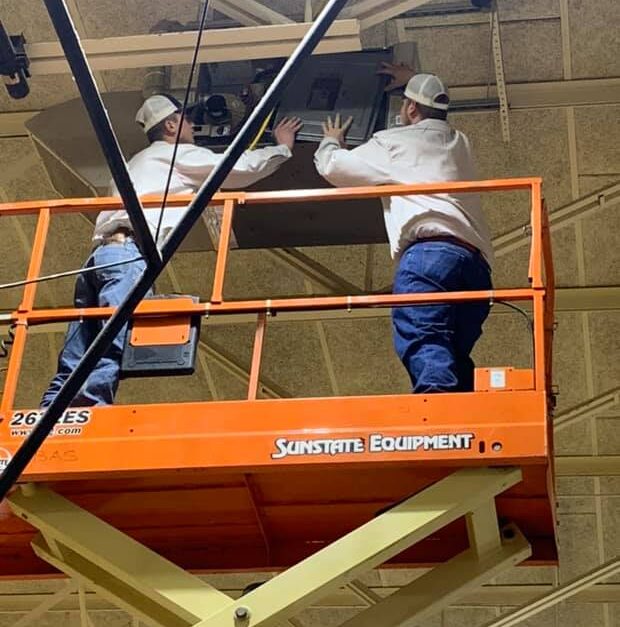
Looking for Air Conditioning Install around Marak?
Climate Control A/C & Heating works on climate equipment for homes and businesses in the local area.
Contact us at 512-446-4020 to describe what your equipment is doing.
A Hot, Wet Climate – the Setting for Every Choice
Hot weather in Marak settles in for months at a time, which means a cooling unit seldom rests between spring and fall.
Sticky air can make a cool room feel uncomfortable; the indoor coil acts as the dehumidifier, collecting water that leaves through a drain line.
Right sizing, steady airflow and a clean coil therefore decide how a house feels, even before anything breaks.
How Air Conditioning Works: the Basics Worth Knowing
An air conditioner does not create cold; the refrigerant carries heat out of the house and leaves the cool behind.
Warm indoor air passes over a cold coil in the air handler or furnace cabinet, with the compressor outside squeezing the refrigerant so the heat can leave.
Starting and stopping thousands of times a season is hard on switches and capacitors, which is why a quick diagnosis matters before anyone talks about replacement.
Problems Behind a Warm House: Where the Fault Usually Hides
Air conditioning repair begins with finding out why the system quit, not with swapping parts, and each of those causes needs a different fix.
A unit that clicks and does nothing may be waiting on a bad contactor or a dead control board, and these are among the quicker repairs when the technician has the part.
A coil that ices over points toward airflow or refrigerant; switching the system off and letting it thaw protects the equipment until it can be checked.
Refrigerant is sealed in a loop and does not get used up, and the leak is the thing that has to be found and dealt with.
A blocked drain line can back water into the pan and trip a safety switch, and clearing the line is routine maintenance work.
Trouble You Can See and Hear – What Owners Notice First
Most breakdowns announce themselves with small changes in behavior; the list below covers what owners tend to notice:
- Rooms that stay warm though the unit sounds normal.
- Grinding, squealing or rattling from the outdoor cabinet, especially when the weather is hot.
- Constant starting and stopping through the afternoon, along with a higher electric bill.
- Water around the air handler, often tracing back to the drain line.
Regular Maintenance – the Work Behind Reliable Comfort
Air conditioning maintenance keeps dust, grime and wear from piling up unseen, with attention paid to coils, drains, belts and wiring.
A clogged filter chokes the blower and starves the coil of air, and how often it needs changing depends on the filter type, pets and the season.
Dirt on the condenser makes the compressor run hotter, so that coil gets cleaned too; tightening electrical connections is a standard part of the job.
Aging Equipment – a Decision Worth Making Carefully
Replacement is worth considering once repairs pile up on equipment that was already aging; the right answer differs from one house to the next.
Older equipment may use a refrigerant that has been phased out of new production, which is another reason to get a clear diagnosis before deciding.
Efficiency numbers on new equipment, such as SEER2, give a way to compare models fairly; the benefit grows in houses that rely on cooling much of the year.
Getting an Install Right – Bigger Is Not Better
An air conditioning install starts with a load calculation, not a rule of thumb; orientation and shading matter as much as floor area.
Oversizing is a common mistake, and it wears out parts through constant starting; one that is too small never reaches the setpoint on the hottest days.
The outdoor pad, the line set, the electrical disconnect and the drain all need planning, and local permit and inspection rules apply in most towns.
Ductwork Matters – Where Comfort Is Won or Lost
Good duct work delivers the right amount of air to each room and brings it back again, and a unit can be fine while the ducts hold the whole system back.
Attic duct work in Texas sees extreme heat, so insulation and tight seams earn their keep, and a technician can often find the leaks with a pressure test.
Clearing Out the Channels – Reasons and Limits
Air passages collect dust, and duct cleaning is the way to clear it from the inside; cleaning is not a substitute for fixing leaks or changing filters.
Dirt returns quickly if the filter is poor or the returns leak unfiltered air, and a plain look inside the duct tells the real story.
The Two-Way Heat Mover – Efficient Most of the Year
Instead of burning fuel, heat pumps pull warmth from outdoor air and carry it inside; one outdoor unit does the work of two.
Auxiliary heat strips back up the heat pump on the coldest mornings; watch for unusually high bills as a hint.
Burners, Igniters and Flues: Reliable Heat for Cold Fronts
Gas furnaces burn natural gas or propane in a burner and pass the heat through a heat exchanger, and a dirty flame sensor is a frequent reason for a furnace that lights and then shuts off.
Safe furnace operation depends on clear venting and working carbon monoxide alarms, and a detector near the sleeping areas gives early warning.
All-Electric Warmth – Features and Trade-Offs
Electric heating systems have no burner, no flue and no combustion byproducts; the electrical safety devices do the most important work.
Electricity makes heat at a steady rate, but resistance heat uses more power than a heat pump does for the same warmth, and many homes pair a heat pump with strips as a backup.
Getting Ready for Cold Weather: Short Winters Still Bite
Winters in Texas are short, but cold fronts can drop temperatures sharply in a matter of hours, and a test on a mild day beats a surprise on a freezing one.
A heating service call looks at the heat source, the blower, the filter, the thermostat and the airflow, and a technician adjusts the visit to the equipment on site.
Boiler Systems: Less Common, Still Important
Boiler systems heat water or make steam and send it through pipes to radiators, baseboards or in-floor loops, and the parts, from circulators to expansion tanks, differ from forced-air equipment.
The relief valve and low-water cutoff protect a boiler, so they get tested during service, and bleeding air from the loops is a routine task.
Cleaner Air Indoors: Beyond Temperature and Humidity
Air inside a home can carry particles, gases and moisture that the thermostat never shows, and in Texas, cedar pollen and spring dust can find their way inside.
MERV numbers describe how fine a filter catches, and the right one balances capture with airflow, and a technician can recommend what the equipment can handle.
Offices, shops and restaurants need steady fresh air so that crowds do not make the space stuffy, and a maintenance plan fits the building's size and hours.
Choosing an Air Cleaner: Sorting Fact From Marketing
Whole-home purifiers treat air as it passes through the system, while portable ones clean a single space; any claims about performance should be checked against the specification.
Equipment that cleans the air cannot make up for a dirty coil or a leaky return, and sizing matters here as much as anywhere.
UV Lights and Antimicrobial Mist – Tools for a Damp Climate
UV lights are a common add-on in humid climates, where the evaporator coil stays wet for months, and a technician can explain which kind fits a given air handler.
Antimicrobial mist is a liquid treatment applied to coils, ducts or surfaces to discourage growth; the label for the product spells out how it is to be used.
Ventilating: the Case for Planned Airflow
Bath fans, kitchen hoods and outdoor air intakes are all part of ventilating a modern building; an energy recovery ventilator can trade heat and moisture between the two airstreams.
Ductwork that dumps moisture into an attic can create damage far from the source; the equipment, the envelope and the airflow work as a team.
Business Climate Control – Planning Around the Business
Shops, restaurants, offices and churches often rely on rooftop equipment that serves a zone of the building, which is why many businesses plan service around their schedule.
Coil cleaning, belt checks and economizer inspections are part of keeping commercial equipment dependable, and replacement decisions weigh downtime as well as equipment.
Chiller Systems for Larger Buildings: How They Differ From Packaged Units
A chiller is a large refrigeration machine that chills water for use in many spaces, and water treatment, tube cleaning and refrigerant checks are routine tasks.
Keeping Food and Product Cold: What Service Involves
A refrigeration problem is often found in the condenser, the defrost control or a worn door gasket; frost buildup, warm product and constant running all point to trouble.
How Climate Control A/C & Heating Approaches Air Conditioning Install throughout Marak
Every visit starts with questions about what the equipment has been doing and when; readings replace guesses, and the findings are explained in plain language.
Recommendations come with explanations, so choices rest on information rather than pressure, and questions are welcome at every stage.
Comfort Is a Phone Call Away
Phone 512-446-4020 to schedule service or ask what makes sense for your building.
What to Remember: Small Habits, Big Difference
Interest in Air Conditioning Install often starts with a problem, and the solution starts with a clear diagnosis; reach Climate Control A/C & Heating at 512-446-4020 when you are ready.