
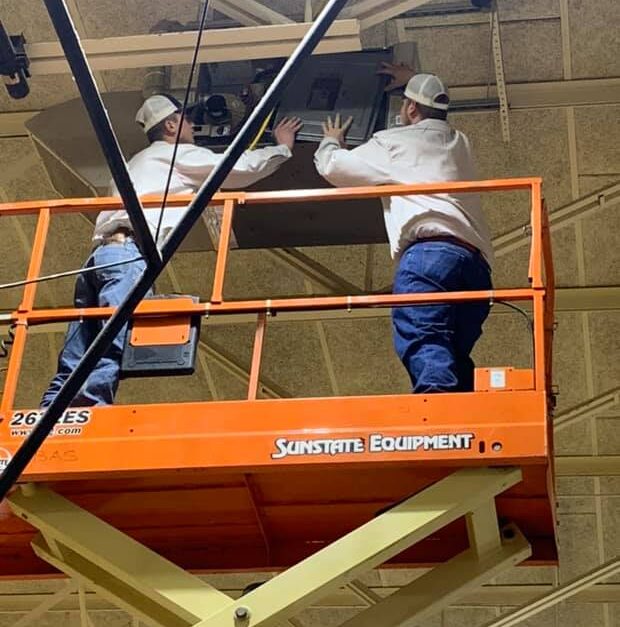
Shopping around for Air Conditioning in Ben Arnold?
Climate Control A/C & Heating takes on climate equipment for homes and businesses in the surrounding towns.
Dial 512-446-4020 to talk it through.
What Summer Asks of a System: Local Conditions Come First
Hot weather in Ben Arnold settles in for months at a time; the machine on the pad outside is among the busiest appliances a household owns.
Humidity is half of the comfort problem, not an afterthought, and removing it takes steady run time rather than quick bursts.
Capacity, airflow and cleanliness work together, and a weakness in one shows up as a house that never feels quite right, long before a breakdown ever happens.
The Refrigerant Cycle: a Plain Explanation
An air conditioner does not create cold; refrigerant picks up warmth from indoor air and carries it outside.
The indoor coil is where the cooling happens; outdoors, a fan pulls air across the condenser coil to shed the load.
The contactor, the capacitor and the motors take a beating in hot weather; the compressor itself can last a long time when it is kept clean and properly charged.
When the House Stops Cooling: a Look at Common Failures
A proper air conditioning repair sorts the symptom from the cause before anything is replaced, and a house that is warm may have an electrical fault, an airflow problem or a refrigerant problem.
A unit that clicks and does nothing may be waiting on a bad contactor or a dead control board, though a part that failed once can point to heat or a loose connection that needs attention.
A frozen evaporator coil blocks the very air it is supposed to cool; shutting the cooling off is the safest response until someone inspects it.
Low refrigerant means a leak, because the charge stays put when the loop is tight, and the leak is the thing that has to be found and dealt with.
Algae and debris plug the drain, and many systems have a float switch that stops the cooling, and clearing the line is routine maintenance work.
When to Call for Service: Trust Your Senses
Cooling equipment usually gives notice before it fails outright; these are the signs a homeowner can see, hear or feel without any tools:
- Rooms that stay warm while the system runs nonstop.
- A buzzing or clicking sound at startup, whether or not the cooling seems to work.
- A system that turns on and off in short cycles, along with a higher electric bill.
- Musty smells when the blower starts, sometimes from a dirty coil.
Preventive Service: Catching Trouble Before It Grows
Regular AC maintenance trims the chance of a breakdown during the hottest week, with attention paid to coils, drains, belts and wiring.
Changing the filter on schedule protects the coil, the blower and the ductwork, and how often it needs changing depends on the filter type, pets and the season.
A technician cleans or inspects the outdoor coil, the indoor coil and the condensate drain; tightening electrical connections is a standard part of the job.
Repair or Replace: How Owners Decide
The conversation about replacement starts when age, condition and comfort all point the same way; the right answer differs from one house to the next.
Older equipment may use a refrigerant that has been phased out of new production; current equipment follows the refrigerant rules in force today.
Newer cooling equipment is generally more efficient than older models, which matters most where the system runs for months.
Sizing and Setup: Details That Shape Comfort
AC install work succeeds or fails on sizing and airflow before any equipment is delivered; windows, attic insulation and ductwork all change the answer.
Equipment that is too big runs in bursts, which hurts comfort and efficiency alike, and a proper calculation avoids both extremes.
A complete installation pairs the condenser, the coil and the air handler as one system; commissioning measurements confirm that the system performs as designed.
Air Distribution: Moving Air Efficiently
In many houses, the ducts decide whether a new system performs as promised, and leaks, bad bends and poor insulation waste a large share of the effort.
Runs through an unconditioned attic or crawl space gain heat or lose chill unless sealed and wrapped, which can improve comfort without touching the equipment.
Duct Cleaning – Deciding if It Fits
A duct cleaning visit reaches the trunk lines, the branches and the grilles, and it makes the most sense after a renovation, a pest problem or visible contamination.
A cleaning that ignores leaks and filtration is a short-term fix at best, and claims about health benefits should be treated skeptically.
Heat Pumps: a Natural Fit for Mild Winters
The reversing valve is what lets heat pumps switch between cooling and heating, and one system handles both seasons with a single set of equipment.
A heat pump may call on backup heat during a hard freeze or while defrosting its coil, and a system that runs strips constantly deserves a diagnostic visit.
Gas Furnaces – the Machinery in the Closet
Inside a gas furnace, a burner lights, a heat exchanger warms up and the blower pushes air across it, and a fault in any one step can stop the whole cycle.
The annual furnace check is also a safety check on combustion and exhaust, and the furnace check is well timed before the first cold front arrives.
Electric Furnaces and Air Handlers: What to Expect From It
Elements in an electric air handler turn current directly into heat, which keeps the mechanical side straightforward.
Resistance heat converts every unit of power to heat, while a heat pump moves several units for each one consumed; the decision rests on the building, not just the equipment.
Getting Ready for Cold Weather: Planning for Sudden Cold
A hard freeze can arrive with little warning, so heating equipment needs to be ready before it is called on; heating systems are better checked before they are needed.
Furnaces, heat pumps and electric air handlers all heat homes, and each has its own checkup list, which keeps the work simple to explain and easy to follow.
Boilers: Less Common, Still Important
Boiler systems heat water or make steam and send it through pipes to radiators, baseboards or in-floor loops, but a building with a boiler needs service from someone who knows hydronics.
Air in the lines, a stuck valve or a weak pump are common reasons a boiler heats unevenly, and bleeding air from the loops is a routine task.
What You Breathe at Home: Why It Deserves Attention
The air in a house mixes outdoor pollen, indoor dust and chemicals from everyday products, which makes the HVAC system the natural place to improve air quality.
A better filter helps only if the blower can pull air through it without strain; the system and the filter are chosen together.
Commercial air quality involves larger volumes, more occupants and strict airflow requirements; scheduled filter changes and coil cleaning keep these systems honest.
Choosing an Air Cleaner – Useful, With Realistic Goals
Whole-home purifiers treat air as it passes through the system, while portable ones clean a single space; a device that makes bold promises deserves a second look.
Purifiers help most when the air handler is clean, the ducts are sealed and humidity is under control; a technician looks at the system before recommending a device.
Add-On Air Treatments: What They Do and What They Do Not
UV lights are a common add-on in humid climates, where the evaporator coil stays wet for months; bulbs lose strength over time and need changing.
Treatments with antimicrobial mist are used after cleaning, when surfaces are dry and accessible; the underlying cause still has to be fixed.
Fresh Air and Exhaust – Controlled and Filtered
Modern buildings are tight, so ventilating on purpose keeps carbon dioxide and odors from building up, which is where design and service make a real difference.
Attic ventilation is a separate matter, but it affects how hard the cooling system works; the equipment, the envelope and the airflow work as a team.
Cooling for Shops, Offices and Buildings: Comfort That Supports the Work
Shops, restaurants, offices and churches often rely on rooftop equipment that serves a zone of the building; planned maintenance keeps surprises to a minimum.
Control settings, schedules and thermostats on commercial systems deserve a look when comfort complaints begin; a clear plan helps the business stay open.
Chillers – Water Carries the Cold
Chiller systems are used in large offices, schools, hospitals and industrial plants, and water treatment, tube cleaning and refrigerant checks are routine tasks.
Coolers, Freezers and Ice Machines: Temperature Is the Whole Job
Businesses that sell or store food depend on refrigeration service to hold safe temperatures, which is why restaurants and stores plan service ahead of busy seasons.
How Climate Control A/C & Heating Approaches Air Conditioning in Ben Arnold
Before touching a tool, the technician hears the history of the problem from the person who lives with it; the owner understands the situation before any decision.
The owner hears what needs to happen now, what can wait and what is optional, and the work proceeds only when the owner agrees.
Let's Talk About Your Equipment
Contact us at 512-446-4020 to schedule service or ask what makes sense for your building.
Closing Thoughts – Keep Things Simple
From Air Conditioning to routine upkeep, good outcomes come from understanding the equipment and caring for it, and Climate Control A/C & Heating answers questions at 512-446-4020.