
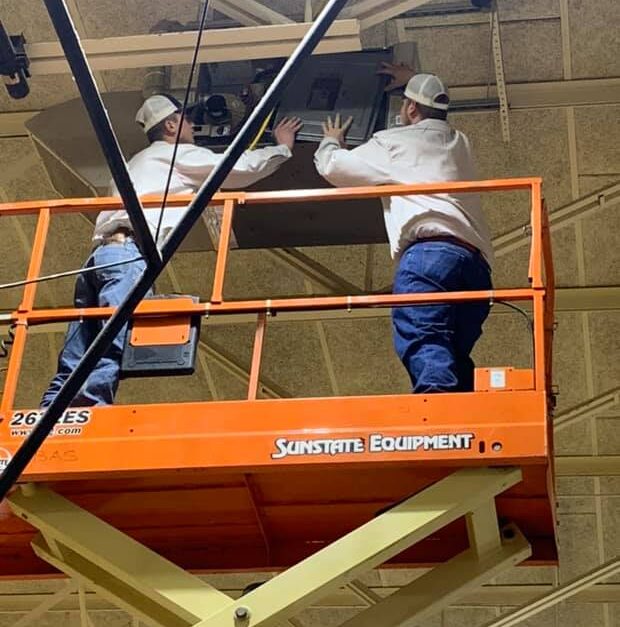
In need of Heating Systems near Gause?
Climate Control A/C & Heating supports climate equipment for homes and businesses here at home.
Contact us at 512-446-4020 to talk it through.
A Hot, Wet Climate: Why Equipment Works Hard Here
Hot weather in Gause settles in for months at a time, and a home air conditioner may run most of the day through the worst of it.
Humidity is half of the comfort problem, not an afterthought; a cooling system dehumidifies only when the compressor is on and air is moving across the coil.
Proper equipment size, good airflow and clean surfaces separate a comfortable house from a clammy one, whatever the label on the box promises.
Moving Heat Outdoors – Heat Moves, Cold Is Not Made
Air conditioning is the business of relocating heat; the refrigerant carries heat out of the house and leaves the cool behind.
Inside the house, the evaporator coil does the absorbing, with the compressor outside squeezing the refrigerant so the heat can leave.
Wear tends to show up in the electrical components before the big mechanical ones; a failed capacitor is often a small repair rather than the end of the system.
Problems Behind a Warm House – Sorting Symptoms From Causes
Air conditioning repair begins with finding out why the system quit, not with swapping parts, and a house that is warm may have an electrical fault, an airflow problem or a refrigerant problem.
A unit that clicks and does nothing may be waiting on a bad contactor or a dead control board, and they usually repair cleanly because the parts are small.
Frost on the indoor coil or the copper line is a warning sign, not a cooling success; the coil needs to thaw completely before anyone can measure what is going on.
A properly working system keeps its charge for good, since nothing burns it off, which is why measuring pressures and temperatures matters more than adding gas.
Clogged condensate drains are a quiet cause of water stains and shutdowns, though a stopped system after heavy use is a good moment to check it.
Symptoms Worth Noticing – What Owners Notice First
A struggling cooling system leaves clues around the house; the list below covers what owners tend to notice:
- Rooms that stay warm while the system runs nonstop.
- Loud banging when the compressor starts, sometimes only on the hottest afternoons.
- An outdoor unit that starts and stops every few minutes, along with a higher electric bill.
- Musty smells when the blower starts, particularly after long runs.
Routine Care – Small Tasks, Long Equipment Life
Air conditioning maintenance keeps dust, grime and wear from piling up unseen, and the visit usually combines cleaning, measuring and tightening.
Filters catch the dust that would otherwise coat the indoor coil, and how often it needs changing depends on the filter type, pets and the season.
A technician cleans or inspects the outdoor coil, the indoor coil and the condensate drain; temperature drop and refrigerant pressures are measured to show how the loop is behaving.
Deciding on a New System: How Owners Decide
Air conditioning equipment reaches a point where a new system makes more sense than another fix, and an honest technician explains both paths.
The refrigerant a system uses is worth asking about when a repair involves the sealed loop, which is another reason to get a clear diagnosis before deciding.
Today's units move the same heat with less power than equipment from a generation ago; the benefit grows in houses that rely on cooling much of the year.
Choosing Capacity: Details That Shape Comfort
Proper AC install planning measures the house, the windows, the insulation and the sun exposure; windows, attic insulation and ductwork all change the answer.
Too much capacity leads to short cycling, uneven rooms and a clammy feel; careful sizing protects comfort and the equipment.
Every connection, from the refrigerant lines to the thermostat wire, gets sized and routed with care, and the installer verifies airflow and charge before leaving the job.
Duct System Basics: the Lungs of the House
Good duct work delivers the right amount of air to each room and brings it back again, and leaks, bad bends and poor insulation waste a large share of the effort.
Ducts that run through a hot attic lose a surprising amount of cooling on the way to the rooms, and a technician can often find the leaks with a pressure test.
Duct Cleaning – Reasons and Limits
Duct cleaning removes dust and debris from the supply and return runs, the registers and the blower compartment; a house with no such history may not need it often.
Filtering, sealing and cleaning form one plan, not three separate jobs, and be cautious of anyone who promises that cleaning will cure every problem.
Heat Pump Basics: a Natural Fit for Mild Winters
The reversing valve is what lets heat pumps switch between cooling and heating; in Texas, cold snaps are short, so a heat pump covers most of the heating season.
On extremely cold days the heat pump leans on supplemental heat to keep up; watch for unusually high bills as a hint.
Gas Furnaces – Parts, Safety and Service
A furnace heats air by passing it over a hot metal exchanger while exhaust gases leave through a flue; the flue and combustion air must be clear for safe operation.
A technician checks venting, gas pressure and the heat exchanger during a furnace tune-up; never ignore an alarm or a smell of gas.
Electric Furnaces and Air Handlers: What to Expect From It
Elements in an electric air handler turn current directly into heat, and the main wear items are the elements, the sequencers and the blower.
The trade-off with electric heat is simple equipment against higher running use, and many homes pair a heat pump with strips as a backup.
Heating Systems of Every Type – Test Before You Need It
Heating season in this part of Texas is brief, with sudden swings between warm days and freezing nights; heating systems are better checked before they are needed.
A heating service call looks at the heat source, the blower, the filter, the thermostat and the airflow, which keeps the work simple to explain and easy to follow.
Boiler Systems: Less Common, Still Important
A boiler warms water in a closed loop, and pumps circulate it to the rooms, and the parts, from circulators to expansion tanks, differ from forced-air equipment.
The relief valve and low-water cutoff protect a boiler, so they get tested during service; leaks near joints deserve prompt attention.
Indoor Air Quality: Beyond Temperature and Humidity
Good indoor air quality means controlling particles, humidity, fresh air and sources of contamination, and cleaner air depends on filtration, ventilation and moisture control working together.
Filter grade matters, but a very dense filter in the wrong system can choke the airflow; humidity control prevents the conditions mold needs.
Larger buildings circulate air through central equipment, so one fault can reach every room, and employee and customer comfort both depend on it.
Filters, Purifiers and Their Limits – Whole-Home or Single Room
Some purifiers capture particles with high-efficiency filters, and others target odors with carbon; any claims about performance should be checked against the specification.
Good results come from a purifier chosen to complement the rest of the system, and sizing matters here as much as anywhere.
Light and Mist Treatments: Understanding the Options
Ultraviolet lamps near the coil are meant to keep it cleaner by discouraging growth on damp surfaces, and results depend on placement, dose and the lamp type.
Fogging a space with antimicrobial mist is a surface treatment, not a cure for a moisture problem; the label for the product spells out how it is to be used.
Bringing Outdoor Air In: Balance in a Humid Climate
Planned ventilation brings in measured amounts of outdoor air and exhausts the stale air, and dampers, filters and controls keep the supply of fresh air in balance.
Attic ventilation is a separate matter, but it affects how hard the cooling system works, and the same attention applies to the whole building.
Commercial Cooling: Comfort That Supports the Work
A commercial AC system is often a rooftop package unit that holds the compressor, the coils and the blower in one cabinet, and filters, belts, coils and drains are the usual checklist items.
Condensate drains on rooftops clog with debris, and the water can stain ceilings below; planning a changeout around business hours limits disruption.
Chilled Water Cooling: Parts and Service Needs
Instead of cooling air directly, chiller systems cool a water loop that serves coils across the property; air-cooled and water-cooled designs differ in how they reject heat.
Coolers, Freezers and Ice Machines: What Service Involves
Businesses that sell or store food depend on refrigeration service to hold safe temperatures, and temperature drift is the warning sign to act on.
How Climate Control A/C & Heating Works Through Heating Systems throughout Gause
The technician asks what changed, what is happening and how long it has been going on; the owner understands the situation before any decision.
The owner hears what needs to happen now, what can wait and what is optional; good service depends on trust running both ways.
Questions About Your System Are Welcome
Phone 512-446-4020 to book a technician or get a straight answer.
A Last Word – Keep Things Simple
Whether the need falls under Heating Systems or elsewhere in the heating, cooling and air quality family, the same principles apply, with Climate Control A/C & Heating at 512-446-4020 to start the conversation.