
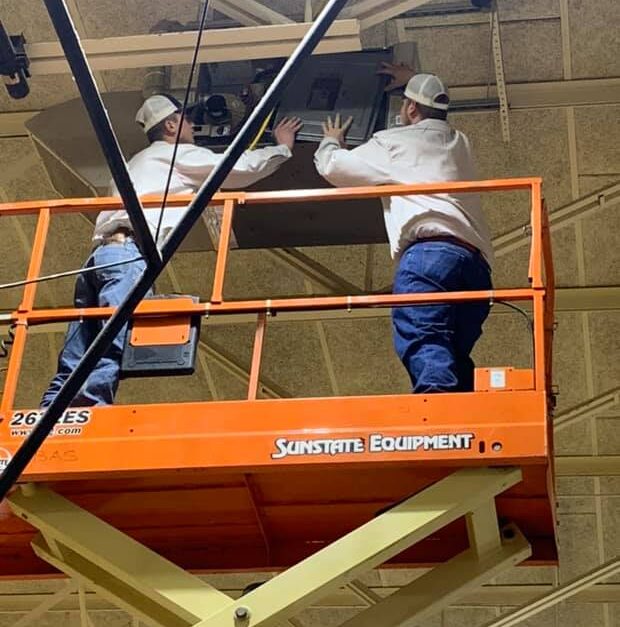
Trying to find Duct Work around Milam County?
Climate Control A/C & Heating works on comfort equipment of every kind around the community.
Phone 512-446-4020 to start the conversation.
What Summer Asks of a System – Built for a Long Haul
Summers across Milam County run long, hot and humid, and the equipment that carries the load is working harder than its owner tends to notice.
Damp air changes how a house feels at any given temperature; an air conditioner pulls it out as a side effect of cooling, but only while it is actually running.
Right sizing, steady airflow and a clean coil therefore decide how a house feels, and each one is something a technician can check on site.
The Refrigerant Cycle: What Each Piece Does
Air conditioning is the business of relocating heat; a sealed loop of refrigerant absorbs heat at one point and releases it at another.
A cold coil indoors takes in heat while the blower keeps air moving, and the outdoor unit holds the compressor and condenser coil that push that heat away.
Wear tends to show up in the electrical components before the big mechanical ones, which is why a quick diagnosis matters before anyone talks about replacement.
Problems Behind a Warm House – Finding the Real Cause
A proper air conditioning repair sorts the symptom from the cause before anything is replaced; three very different faults can feel identical from the thermostat.
When the outdoor fan hums but will not spin, a capacitor is often the reason, though a part that failed once can point to heat or a loose connection that needs attention.
A frozen evaporator coil blocks the very air it is supposed to cool, and running the system while it is frozen can damage the compressor.
Refrigerant is not a consumable that needs topping off every season; topping off a leaking system is a temporary patch that lets the problem return.
Water around the air handler often means the condensate line has clogged with slime, though a stopped system after heavy use is a good moment to check it.
Clues Your System Is Struggling – Before a Breakdown
Air conditioners seldom quit without hints along the way, and the items below are easy to check from inside the house:
- Some rooms that never cool down while the system runs nonstop.
- Loud banging when the compressor starts, often getting louder from one week to the next.
- Short, frequent cycling of the outdoor unit, with indoor humidity climbing.
- Damp spots on the ceiling below the indoor cabinet, especially in humid weather.
Keeping Equipment Healthy: What a Maintenance Visit Covers
AC maintenance is a set of simple, repeatable tasks that keep a cooling system efficient, with attention paid to coils, drains, belts and wiring.
Changing the filter on schedule protects the coil, the blower and the ductwork, and how often it needs changing depends on the filter type, pets and the season.
Coils, drain pans and drain lines all get attention during a complete tune-up, and reading the numbers shows whether anything is drifting out of range.
Aging Equipment: Questions to Ask First
Replacement is worth considering once repairs pile up on equipment that was already aging, and an honest technician explains both paths.
Refrigerant types have changed over time, so older systems may use one that is hard to find; matching parts and refrigerant correctly keeps the whole loop reliable.
Today's units move the same heat with less power than equipment from a generation ago; the benefit grows in houses that rely on cooling much of the year.
Choosing Capacity: Where Good Results Begin
An air conditioning install starts with a load calculation, not a rule of thumb, and the standard method for homes is a room-by-room heat gain calculation.
Oversizing is a common mistake, and it wears out parts through constant starting; careful sizing protects comfort and the equipment.
A complete installation pairs the condenser, the coil and the air handler as one system, and local permit and inspection rules apply in most towns.
Duct System Basics – What Hides Above the Ceiling
A duct system is the network of channels that carry conditioned air to every room and returns it for re-cooling; a house with comfort problems deserves a look at its air paths.
Leaks at joints pull attic air into the system and push cooled air out into the rafters; return air paths deserve the same attention as the supply side.
When Ducts Need Attention – Reasons and Limits
Duct cleaning removes dust and debris from the supply and return runs, the registers and the blower compartment, and the decision should rest on what is actually in the ducts.
A cleaning that ignores leaks and filtration is a short-term fix at best, and be cautious of anyone who promises that cleaning will cure every problem.
Cooling and Heating in One: a Natural Fit for Mild Winters
A heat pump is an air conditioner that can run backward to warm the house, which suits places where freezing weather is brief.
Defrost cycles and backup heat are normal parts of winter operation, and a technician can check whether the strips are running more than they should.
Gas Furnaces: Reliable Heat for Cold Fronts
Inside a gas furnace, a burner lights, a heat exchanger warms up and the blower pushes air across it; a cracked heat exchanger is a safety issue that calls for a prompt professional look.
A technician checks venting, gas pressure and the heat exchanger during a furnace tune-up, and stored items near the unit can block airflow and combustion air.
Electric Furnaces and Air Handlers: What to Expect From It
Elements in an electric air handler turn current directly into heat, which keeps the mechanical side straightforward.
Electricity makes heat at a steady rate, but resistance heat uses more power than a heat pump does for the same warmth, and many homes pair a heat pump with strips as a backup.
Heating Services: Planning for Sudden Cold
A hard freeze can arrive with little warning, so heating equipment needs to be ready before it is called on; running the heater briefly in fall shows whether it lights, blows warm air and shuts off properly.
From gas furnaces to heat pumps, each heating system needs different attention before winter, and a technician adjusts the visit to the equipment on site.
Boilers – Quiet, Even Heat
Boiler systems heat water or make steam and send it through pipes to radiators, baseboards or in-floor loops, but a building with a boiler needs service from someone who knows hydronics.
Service on boiler systems covers the burner, the water pressure, the circulator pump, the expansion tank and the safety relief valve, and annual attention keeps these systems running quietly.
Indoor Air Quality: Beyond Temperature and Humidity
Indoor air quality describes what is floating in the air inside a building, from dust and pollen to odors and humidity, and in Texas, cedar pollen and spring dust can find their way inside.
A better filter helps only if the blower can pull air through it without strain, and sealing return leaks keeps unfiltered air from sneaking around the filter.
Commercial air quality depends on ventilation rates, filtration and the upkeep of rooftop equipment, which is why commercial properties usually benefit from regular service visits.
Air Purification Options: Sorting Fact From Marketing
Some purifiers capture particles with high-efficiency filters, and others target odors with carbon; pollen and dust call for filtration, while odors call for carbon.
Buying a purifier without fixing a moisture problem treats a symptom and misses the cause, which is why one device rarely fits every home.
Add-On Air Treatments: Understanding the Options
UV lights install in the air handler and shine on the indoor coil and drain pan to limit microbial growth; bulbs lose strength over time and need changing.
Fogging a space with antimicrobial mist is a surface treatment, not a cure for a moisture problem, and it works best where the source of moisture has been dealt with.
Fresh Air and Exhaust: Balance in a Humid Climate
Modern buildings are tight, so ventilating on purpose keeps carbon dioxide and odors from building up, which is where design and service make a real difference.
Exhaust fans that move air out of kitchens and baths should vent outdoors, not into the attic, and this is another reason the whole building matters.
Commercial AC Systems – Equipment Built for Heavier Duty
Commercial air conditioning system designs range from rooftop packages to split systems and multi-zone setups, and when it fails the business feels it quickly.
Coil cleaning, belt checks and economizer inspections are part of keeping commercial equipment dependable, and larger properties may phase work across several units.
Cooling at Scale – Water Carries the Cold
A chiller is a large refrigeration machine that chills water for use in many spaces; air-cooled and water-cooled designs differ in how they reject heat.
Keeping Food and Product Cold – Equipment With Little Room for Error
Walk-in coolers rely on evaporators, condensing units, defrost systems and door seals working together; frost buildup, warm product and constant running all point to trouble.
How Climate Control A/C & Heating Thinks About Duct Work in Milam County
Before touching a tool, the technician hears the history of the problem from the person who lives with it, then examines the equipment and measures what can be measured.
Honest advice separates the necessary from the optional, and questions are welcome at every stage.
Comfort Is a Phone Call Away
Reach out at 512-446-4020 to schedule service or ask what makes sense for your building.
What to Remember – Keep Things Simple
Searching for Duct Work in Milam County usually leads to the same few questions about size, age, airflow and care, and Climate Control A/C & Heating answers questions at 512-446-4020.