
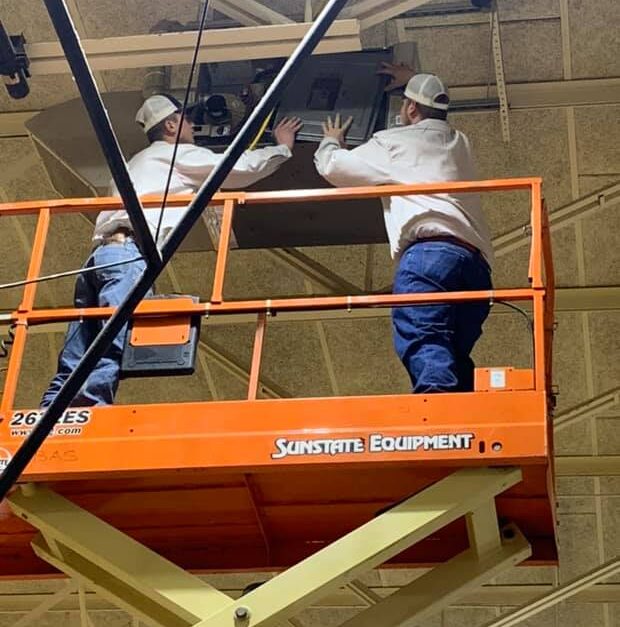
In need of Chiller Systems around Pettibone?
Climate Control A/C & Heating looks after heating, cooling and indoor comfort in the surrounding towns.
Phone 512-446-4020 and ask a real question.
The Cooling Season: Why Equipment Works Hard Here
The cooling season in Pettibone starts early and finishes late, and a home air conditioner may run most of the day through the worst of it.
Moisture in the air matters as much as the thermometer reading; a cooling system dehumidifies only when the compressor is on and air is moving across the coil.
Matching capacity to the house, moving enough air and keeping the coil clean all shape the result, long before a breakdown ever happens.
How Air Conditioning Works – Heat Moves, Cold Is Not Made
An air conditioner does not create cold; it collects heat inside the house and dumps it into the outdoor air.
The indoor coil is where the cooling happens; outdoors, a fan pulls air across the condenser coil to shed the load.
Starting and stopping thousands of times a season is hard on switches and capacitors, and that is good news, because they are far simpler to fix than a compressor.
Service Calls in Hot Weather: Where the Fault Usually Hides
A thorough air conditioning repair starts with a diagnosis rather than a hunch, and a house that is warm may have an electrical fault, an airflow problem or a refrigerant problem.
A tripped breaker, a failed capacitor or a worn contactor keeps the outdoor unit from starting; the diagnosis comes before any decision about a bigger job.
Frost on the indoor coil or the copper line is a warning sign, not a cooling success, and the cause may be as simple as a clogged filter or as involved as a leak.
The charge in a cooling system is fixed, so a shortage points to escape; topping off a leaking system is a temporary patch that lets the problem return.
Clogged condensate drains are a quiet cause of water stains and shutdowns, and the fix is usually quick once the blockage is found.
Symptoms Worth Noticing: Small Changes, Big Hints
A struggling cooling system leaves clues around the house, and every item below is a reason to schedule a visit:
- Some rooms that never cool down even though the blower sounds normal.
- A buzzing or clicking sound at startup, especially when the weather is hot.
- Short, frequent cycling of the outdoor unit, with indoor humidity climbing.
- Damp spots on the ceiling below the indoor cabinet, especially in humid weather.
Routine Care: Habits That Pay Off Later
AC maintenance is a set of simple, repeatable tasks that keep a cooling system efficient, and the visit usually combines cleaning, measuring and tightening.
Changing the filter on schedule protects the coil, the blower and the ductwork, and a quick check each month is a good habit through the summer.
Coils, drain pans and drain lines all get attention during a complete tune-up; capacitors, contactors, wiring and motor amperage get checked as well.
Repair or Replace: Questions to Ask First
The conversation about replacement starts when age, condition and comfort all point the same way; the right answer differs from one house to the next.
Refrigerant types have changed over time, so older systems may use one that is hard to find; current equipment follows the refrigerant rules in force today.
Newer cooling equipment is generally more efficient than older models; the benefit grows in houses that rely on cooling much of the year.
Matching a System to a House: the Groundwork Matters
AC install work succeeds or fails on sizing and airflow before any equipment is delivered, and two houses of the same size can need very different equipment.
An oversized system cools the air quickly and then shuts off before it removes moisture; careful sizing protects comfort and the equipment.
Matched components perform to their design efficiency, while mismatched ones fall short; commissioning measurements confirm that the system performs as designed.
Air Distribution – What Hides Above the Ceiling
A duct system is the network of channels that carry conditioned air to every room and returns it for re-cooling; undersized trunks, kinked runs and open seams all choke the flow.
Attic duct work in Texas sees extreme heat, so insulation and tight seams earn their keep, which can improve comfort without touching the equipment.
When Ducts Need Attention – Reasons and Limits
Air passages collect dust, and duct cleaning is the way to clear it from the inside, and it makes the most sense after a renovation, a pest problem or visible contamination.
Filtering, sealing and cleaning form one plan, not three separate jobs, and be cautious of anyone who promises that cleaning will cure every problem.
The Two-Way Heat Mover: Strengths and Limits
A heat pump is an air conditioner that can run backward to warm the house, which suits places where freezing weather is brief.
Defrost cycles and backup heat are normal parts of winter operation, and a system that runs strips constantly deserves a diagnostic visit.
Burners, Igniters and Flues – the Machinery in the Closet
Gas furnaces rely on an igniter, a flame sensor and a gas valve working in sequence, and the sequence is why furnaces need testing before cold weather.
Safe furnace operation depends on clear venting and working carbon monoxide alarms, and the furnace check is well timed before the first cold front arrives.
Resistance and Strip Heat: What to Expect From It
Electric heating systems warm the air with heating elements instead of a flame; troubleshooting centers on power, controls and the blower motor.
Electricity makes heat at a steady rate, but resistance heat uses more power than a heat pump does for the same warmth, particularly where cold stretches are brief.
Winter Preparation – Test Before You Need It
Winters in Texas are short, but cold fronts can drop temperatures sharply in a matter of hours; problems found early can be repaired before a cold front arrives.
A heating service call looks at the heat source, the blower, the filter, the thermostat and the airflow, and a technician adjusts the visit to the equipment on site.
Hydronic Warmth – Radiators, Coils and Radiant Floors
Radiant floor and baseboard heating both rely on a boiler to heat the water, and the parts, from circulators to expansion tanks, differ from forced-air equipment.
Service on boiler systems covers the burner, the water pressure, the circulator pump, the expansion tank and the safety relief valve; leaks near joints deserve prompt attention.
Indoor Air Quality: Starting With Facts
Air inside a home can carry particles, gases and moisture that the thermostat never shows, and cleaner air depends on filtration, ventilation and moisture control working together.
MERV numbers describe how fine a filter catches, and the right one balances capture with airflow, and a technician can recommend what the equipment can handle.
Commercial air quality involves larger volumes, more occupants and strict airflow requirements, which is why commercial properties usually benefit from regular service visits.
Filters, Purifiers and Their Limits: Sorting Fact From Marketing
Purifiers remove particles or gases from the air, and they come as whole-home units or portable room models; a device that makes bold promises deserves a second look.
Good results come from a purifier chosen to complement the rest of the system; the goal is a measurable improvement, not a gadget.
Light and Mist Treatments: What They Do and What They Do Not
Lamps inside the cabinet work on the coil and pan, and they need replacing on a schedule; the lamp supplements regular cleaning rather than replacing it.
Mist treatments use an approved solution applied by a technician in a controlled way, and ventilation and occupant safety are part of the process.
Ventilating – Not Too Much, Not Too Little
Bath fans, kitchen hoods and outdoor air intakes are all part of ventilating a modern building; the cooling equipment has to be sized to handle the fresh air coming in.
A hot attic loads up the ceiling and the ducts, so attic ventilation and insulation help the system, and this is another reason the whole building matters.
Commercial Cooling – Equipment Built for Heavier Duty
Every commercial air conditioning system serves a space with different loads from a house, such as crowds, lighting and equipment, and filters, belts, coils and drains are the usual checklist items.
Rooftop units sit in the sun and wind, so the cabinets, the coils and the curbs take a beating, and replacement decisions weigh downtime as well as equipment.
Central Plant Equipment – Water Carries the Cold
Instead of cooling air directly, chiller systems cool a water loop that serves coils across the property; air-cooled and water-cooled designs differ in how they reject heat.
Cold Storage Equipment: Walk-Ins, Reach-Ins and More
Refrigeration equipment uses the same basic cycle as air conditioning but at much lower temperatures, and temperature drift is the warning sign to act on.
How Climate Control A/C & Heating Works Through Chiller Systems around Pettibone
Before touching a tool, the technician hears the history of the problem from the person who lives with it, followed by an explanation of what was found and what the choices are.
The owner hears what needs to happen now, what can wait and what is optional; nothing starts without a clear understanding.
Start With a Conversation
Phone 512-446-4020 to book a technician or get a straight answer.
What to Remember: Small Habits, Big Difference
From Chiller Systems to routine upkeep, good outcomes come from understanding the equipment and caring for it, and Climate Control A/C & Heating is ready to help with it.