
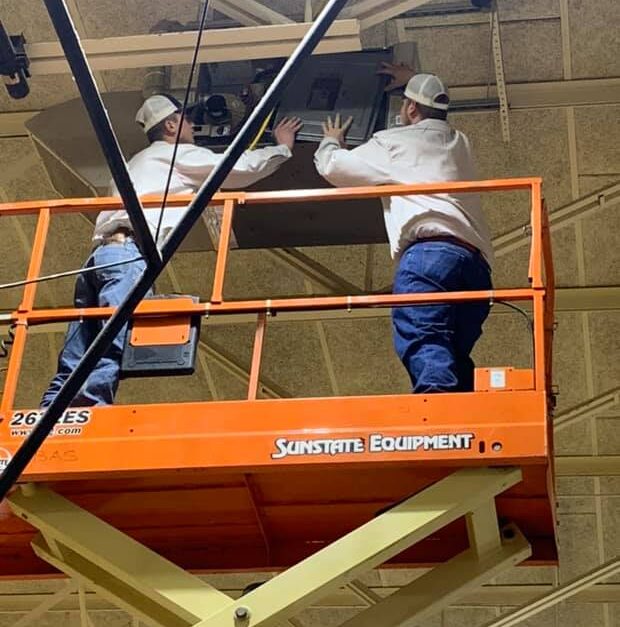
Shopping around for AC Install around Val Verde?
Climate Control A/C & Heating looks after comfort equipment of every kind close to home.
Phone 512-446-4020 to describe what your equipment is doing.
Summer Load – Built for a Long Haul
A Val Verde summer stacks hot afternoon after hot afternoon, and the equipment that carries the load is working harder than its owner tends to notice.
Moisture in the air matters as much as the thermometer reading; the indoor coil acts as the dehumidifier, collecting water that leaves through a drain line.
Matching capacity to the house, moving enough air and keeping the coil clean all shape the result, and each one is something a technician can check on site.
The Refrigerant Cycle: a Plain Explanation
An air conditioner does not create cold; refrigerant picks up warmth from indoor air and carries it outside.
The air handler holds the indoor coil and the blower that pushes air across it, with the compressor outside squeezing the refrigerant so the heat can leave.
Fan motors and start components do a great deal of work for their size; a failed capacitor is often a small repair rather than the end of the system.
Service Calls in Hot Weather – Sorting Symptoms From Causes
A thorough air conditioning repair starts with a diagnosis rather than a hunch, and a house that is warm may have an electrical fault, an airflow problem or a refrigerant problem.
A tripped breaker, a failed capacitor or a worn contactor keeps the outdoor unit from starting, and they usually repair cleanly because the parts are small.
Ice on the lines almost always means too little air or too little refrigerant, and the cause may be as simple as a clogged filter or as involved as a leak.
Refrigerant is not a consumable that needs topping off every season, and adding more without finding the leak only delays the same problem.
Algae and debris plug the drain, and many systems have a float switch that stops the cooling, and clearing the line is routine maintenance work.
Warning Signs: Trust Your Senses
The system tends to behave differently well before the day it stops, and every item below is a reason to schedule a visit:
- One end of the house that feels warmer even with the thermostat set low.
- Loud banging when the compressor starts, particularly at the start of a cycle.
- Constant starting and stopping through the afternoon, leaving the indoor air damp.
- Damp spots on the ceiling below the indoor cabinet, sometimes from a dirty coil.
Tune-Ups for Cooling Gear – Small Tasks, Long Equipment Life
AC maintenance is a set of simple, repeatable tasks that keep a cooling system efficient; the checklist stays short enough to repeat every season.
Dirty filters are the single easiest thing for an owner to handle; homes with pets, dust or a constant run schedule need fresh filters more often.
Coils, drain pans and drain lines all get attention during a complete tune-up; the report reflects measurements rather than guesses.
Deciding on a New System: How Owners Decide
The conversation about replacement starts when age, condition and comfort all point the same way, with the condition of the compressor and coils weighing heavily.
Some older units run on refrigerant that is now scarce, which affects repair decisions, and newer equipment is built for current refrigerants.
Today's units move the same heat with less power than equipment from a generation ago; replacement can pay back in comfort as well as in energy use.
Matching a System to a House – a Calculation, Not a Guess
An air conditioning install starts with a load calculation, not a rule of thumb, and the standard method for homes is a room-by-room heat gain calculation.
An oversized system cools the air quickly and then shuts off before it removes moisture, and a proper calculation avoids both extremes.
Every connection, from the refrigerant lines to the thermostat wire, gets sized and routed with care; the owner then gets a walk-through of the thermostat and the filter.
Ductwork Matters: Sizing, Sealing and Insulation
Duct work moves the air that the equipment has cooled or heated, so its design shapes every room, and a unit can be fine while the ducts hold the whole system back.
Ducts that run through a hot attic lose a surprising amount of cooling on the way to the rooms, which can improve comfort without touching the equipment.
Dust, Debris and Ductwork – Reasons and Limits
A duct cleaning visit reaches the trunk lines, the branches and the grilles, and the decision should rest on what is actually in the ducts.
Clean ducts work best alongside a good filter and sealed connections, and claims about health benefits should be treated skeptically.
Heat Pumps: How the Technology Works
The reversing valve is what lets heat pumps switch between cooling and heating, and that makes them efficient in climates with mild winters.
On extremely cold days the heat pump leans on supplemental heat to keep up; watch for unusually high bills as a hint.
Furnace Basics: Reliable Heat for Cold Fronts
Gas furnaces burn natural gas or propane in a burner and pass the heat through a heat exchanger, and a fault in any one step can stop the whole cycle.
Carbon monoxide detectors belong in any home with fuel-burning equipment, and stored items near the unit can block airflow and combustion air.
Electric Furnaces and Air Handlers – Features and Trade-Offs
Electric heating systems have no burner, no flue and no combustion byproducts, and the equipment is simple, with few moving parts.
The trade-off with electric heat is simple equipment against higher running use; the choice depends on what fuel is available at the property.
Heating Services – Test Before You Need It
A norther can send temperatures tumbling, and heating systems that sat idle all summer must start right up; running the heater briefly in fall shows whether it lights, blows warm air and shuts off properly.
Heating systems come in several forms, and the same house may use gas furnaces, heat pumps or electric heating systems, and the safety controls get tested along with the comfort ones.
Heating With Water: How Hydronic Systems Differ
Boiler systems appear in older buildings, larger properties and some commercial spaces; an owner with a boiler should look for experience with water-based heat.
A boiler tune-up checks combustion, water level, pressure and the controls that keep it safe; leaks near joints deserve prompt attention.
Indoor Air Quality: Starting With Facts
Indoor air quality describes what is floating in the air inside a building, from dust and pollen to odors and humidity, and cleaner air depends on filtration, ventilation and moisture control working together.
MERV numbers describe how fine a filter catches, and the right one balances capture with airflow; a deeper media cabinet gives better filtering with less restriction.
Commercial air quality depends on ventilation rates, filtration and the upkeep of rooftop equipment; scheduled filter changes and coil cleaning keep these systems honest.
Air Purification Options: Matching the Tool to the Problem
Air purifiers range from a stand-alone machine in one room to a unit tied into the ductwork, and ozone-producing models are better avoided in occupied rooms.
Equipment that cleans the air cannot make up for a dirty coil or a leaky return, and sizing matters here as much as anywhere.
Keeping Coils Clean Between Visits – Tools for a Damp Climate
A UV lamp does not clean the air passing by, but it treats the surfaces it can see; the lamp supplements regular cleaning rather than replacing it.
Antimicrobial mist is a liquid treatment applied to coils, ducts or surfaces to discourage growth; the product and method should be explained in advance.
Bringing Outdoor Air In – Not Too Much, Not Too Little
Bath fans, kitchen hoods and outdoor air intakes are all part of ventilating a modern building, which is where design and service make a real difference.
Attic ventilation is a separate matter, but it affects how hard the cooling system works, and the same attention applies to the whole building.
Commercial AC Systems – Equipment Built for Heavier Duty
A commercial AC system is often a rooftop package unit that holds the compressor, the coils and the blower in one cabinet, and filters, belts, coils and drains are the usual checklist items.
Commercial equipment is built to run long hours, and it still depends on clean coils and clear drains; a clear plan helps the business stay open.
Central Plant Equipment – Big Buildings, Big Loads
A building with chilled water pulls its cooling from a central plant rather than separate rooftop units; air-cooled and water-cooled designs differ in how they reject heat.
Cold Storage Equipment: What Service Involves
Refrigeration service covers walk-in coolers, reach-in units, freezers, display cases and ice machines; frost buildup, warm product and constant running all point to trouble.
How Climate Control A/C & Heating Looks at AC Install near Val Verde
Before touching a tool, the technician hears the history of the problem from the person who lives with it; the owner understands the situation before any decision.
Honest advice separates the necessary from the optional; good service depends on trust running both ways.
Comfort Is a Phone Call Away
Phone 512-446-4020 to schedule service or ask what makes sense for your building.
Putting It Together: Comfort Is a System
From AC Install to routine upkeep, good outcomes come from understanding the equipment and caring for it, with Climate Control A/C & Heating at 512-446-4020 to start the conversation.