
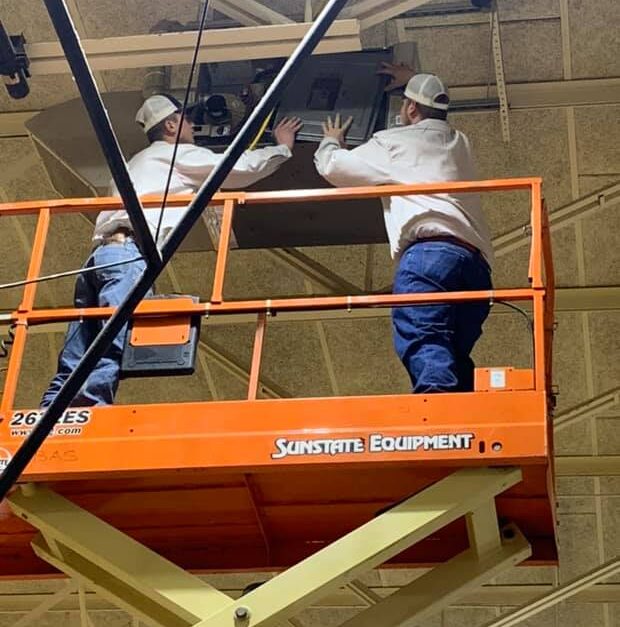
Shopping around for Air Conditioning Install around Gause?
Climate Control A/C & Heating looks after heating, cooling and indoor comfort around the community.
Call 512-446-4020 and ask a real question.
What Summer Asks of a System: Why Equipment Works Hard Here
Warm weather in Gause stretches across much of the calendar, and the equipment that carries the load is working harder than its owner tends to notice.
Humidity is half of the comfort problem, not an afterthought, and the coil is where the moisture condenses and drains away.
Right size, steady airflow and a clean coil explain much of how a house feels, and each one is something a technician can check on site.
Inside an Air Conditioner: the Basics Worth Knowing
Air conditioning is the business of relocating heat; it collects heat inside the house and dumps it into the outdoor air.
Inside the house, the evaporator coil does the absorbing; the outdoor cabinet houses the compressor, the condenser coil and a fan.
Parts that wear out fastest are usually the small electrical ones, and that is good news, because they are far simpler to fix than a compressor.
Diagnosing a Weak Cooling System: a Look at Common Failures
Air conditioning repair begins with finding out why the system quit, not with swapping parts; three very different faults can feel identical from the thermostat.
A unit that clicks and does nothing may be waiting on a bad contactor or a dead control board, though a part that failed once can point to heat or a loose connection that needs attention.
A frozen evaporator coil blocks the very air it is supposed to cool, and the cause may be as simple as a clogged filter or as involved as a leak.
Refrigerant is not a consumable that needs topping off every season, and adding more without finding the leak only delays the same problem.
Clogged condensate drains are a quiet cause of water stains and shutdowns, though a stopped system after heavy use is a good moment to check it.
When to Call for Service: Small Changes, Big Hints
The system tends to behave differently well before the day it stops, and every item below is a reason to schedule a visit:
- One end of the house that feels warmer despite thin airflow at the vents.
- Loud banging when the compressor starts, often getting louder from one week to the next.
- Constant starting and stopping through the afternoon; parts wear faster.
- Musty smells when the blower starts, which deserves a look before damage spreads.
Regular Maintenance – the Work Behind Reliable Comfort
Regular AC maintenance trims the chance of a breakdown during the hottest week, with attention paid to coils, drains, belts and wiring.
Changing the filter on schedule protects the coil, the blower and the ductwork; homes with pets, dust or a constant run schedule need fresh filters more often.
Coils, drain pans and drain lines all get attention during a complete tune-up, and reading the numbers shows whether anything is drifting out of range.
Aging Equipment – Age, Condition and Efficiency
An old unit that needs repair after repair may be a candidate for AC replacement, and an honest technician explains both paths.
Some older units run on refrigerant that is now scarce, which affects repair decisions, and that can tip a close decision toward replacement.
Variable-speed designs hold temperature and humidity more precisely than single-stage units; the benefit grows in houses that rely on cooling much of the year.
Getting an Install Right: Where Good Results Begin
Proper AC install planning measures the house, the windows, the insulation and the sun exposure, and the standard method for homes is a room-by-room heat gain calculation.
Oversizing is a common mistake, and it wears out parts through constant starting, and a proper calculation avoids both extremes.
A complete installation pairs the condenser, the coil and the air handler as one system, and local permit and inspection rules apply in most towns.
Duct System Basics – Where Comfort Is Won or Lost
The duct system is as much a part of comfort as the unit that feeds it; a house with comfort problems deserves a look at its air paths.
A long flexible run through a hot attic needs support, sealing and good insulation, which can improve comfort without touching the equipment.
Cleaning the Air Paths: Worth Doing at the Right Time
Cleaning the ducts means pulling loose material out with agitation tools and a strong vacuum, and it makes the most sense after a renovation, a pest problem or visible contamination.
Cleaning pays off only when the source of the dirt is also addressed, and a plain look inside the duct tells the real story.
Heat Pumps: a Natural Fit for Mild Winters
A heat pump is an air conditioner that can run backward to warm the house; one outdoor unit does the work of two.
On extremely cold days the heat pump leans on supplemental heat to keep up; steam from the outdoor unit during defrost is normal.
Gas Furnaces: Reliable Heat for Cold Fronts
The sequence in a gas furnace runs from thermostat call to draft fan, igniter, gas valve and flame proof; the flue and combustion air must be clear for safe operation.
The annual furnace check is also a safety check on combustion and exhaust; never ignore an alarm or a smell of gas.
All-Electric Warmth: Simple Equipment, Steady Output
Electric heating systems warm the air with heating elements instead of a flame; the electrical safety devices do the most important work.
Electricity makes heat at a steady rate, but resistance heat uses more power than a heat pump does for the same warmth; the choice depends on what fuel is available at the property.
Heating Systems of Every Type – Reliable Heat on Demand
Heating season in this part of Texas is brief, with sudden swings between warm days and freezing nights; problems found early can be repaired before a cold front arrives.
Furnaces, heat pumps and electric air handlers all heat homes, and each has its own checkup list; the common thread is clean air passages and a blower that moves enough air.
Hydronic Warmth – Quiet, Even Heat
Boiler systems appear in older buildings, larger properties and some commercial spaces, and the parts, from circulators to expansion tanks, differ from forced-air equipment.
Service on boiler systems covers the burner, the water pressure, the circulator pump, the expansion tank and the safety relief valve; neglected boilers corrode inside, so water quality and venting matter.
Air Quality Basics: Beyond Temperature and Humidity
Residential air quality is shaped by dust, pet dander, cooking fumes, cleaning products and moisture, which makes the HVAC system the natural place to improve air quality.
Filter grade matters, but a very dense filter in the wrong system can choke the airflow, and sealing return leaks keeps unfiltered air from sneaking around the filter.
Larger buildings circulate air through central equipment, so one fault can reach every room, and a maintenance plan fits the building's size and hours.
Cleaning the Air Itself – Whole-Home or Single Room
Purifiers vary widely, from simple filters to units combining filtration, carbon and other methods; pollen and dust call for filtration, while odors call for carbon.
Good results come from a purifier chosen to complement the rest of the system; the goal is a measurable improvement, not a gadget.
Keeping Coils Clean Between Visits – Reasonable Expectations
Lamps inside the cabinet work on the coil and pan, and they need replacing on a schedule; ask what the lamp targets and how often it needs service.
Mist treatments use an approved solution applied by a technician in a controlled way; the product and method should be explained in advance.
Ventilating: Balance in a Humid Climate
Ventilating also removes moisture from kitchens and baths before it settles into the structure, and dampers, filters and controls keep the supply of fresh air in balance.
Good attic airflow lowers the heat that leaks down into the living space; the equipment, the envelope and the airflow work as a team.
Keeping a Workplace Comfortable: Comfort That Supports the Work
Commercial air conditioning system designs range from rooftop packages to split systems and multi-zone setups, and when it fails the business feels it quickly.
Coil cleaning, belt checks and economizer inspections are part of keeping commercial equipment dependable; planning a changeout around business hours limits disruption.
Chillers – Big Buildings, Big Loads
A building with chilled water pulls its cooling from a central plant rather than separate rooftop units, and they need specialized service knowledge.
Commercial Refrigeration: Temperature Is the Whole Job
Walk-in coolers rely on evaporators, condensing units, defrost systems and door seals working together, and food safety rules set limits that equipment must keep.
How Climate Control A/C & Heating Works Through Air Conditioning Install near Gause
Before touching a tool, the technician hears the history of the problem from the person who lives with it; the owner understands the situation before any decision.
Honest advice separates the necessary from the optional, and the work proceeds only when the owner agrees.
Comfort Is a Phone Call Away
Contact us at 512-446-4020 to line up service or learn what to expect.
Putting It Together: Attention Now Saves Trouble Later
Equipment, ducts and air quality are connected, so a question about Air Conditioning Install is rarely a stand-alone one; Climate Control A/C & Heating can walk through the choices with you.