
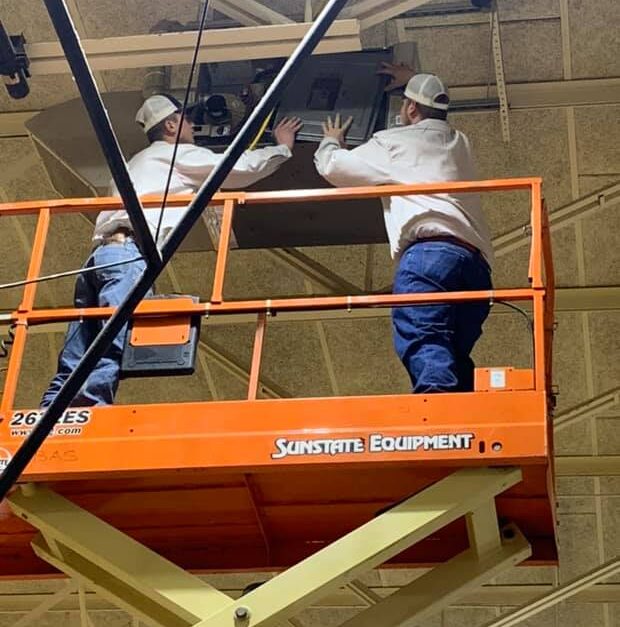
Looking for Ventilating near San Gabriel?
Climate Control A/C & Heating supports climate equipment for homes and businesses around the community.
Call 512-446-4020 to describe what your equipment is doing.
Summer Load – the Setting for Every Choice
Summers across San Gabriel run long, hot and humid; a cooling system here logs far more running hours than one in a mild climate.
Humidity is half of the comfort problem, not an afterthought, and removing it takes steady run time rather than quick bursts.
Matching capacity to the house, moving enough air and keeping the coil clean all shape the result, whatever the label on the box promises.
How Air Conditioning Works: the Basics Worth Knowing
Nothing in a cooling system generates cold air from scratch; the refrigerant carries heat out of the house and leaves the cool behind.
The indoor coil is where the cooling happens, and the condensing unit in the yard completes the loop by getting rid of the heat.
Parts that wear out fastest are usually the small electrical ones, which is why a quick diagnosis matters before anyone talks about replacement.
When the House Stops Cooling – Sorting Symptoms From Causes
Air conditioning repair begins with finding out why the system quit, not with swapping parts, and a house that is warm may have an electrical fault, an airflow problem or a refrigerant problem.
A unit that clicks and does nothing may be waiting on a bad contactor or a dead control board, and each can be tested with a meter in a few minutes.
Frost on the indoor coil or the copper line is a warning sign, not a cooling success; shutting the cooling off is the safest response until someone inspects it.
Refrigerant is not a consumable that needs topping off every season; topping off a leaking system is a temporary patch that lets the problem return.
A blocked drain line can back water into the pan and trip a safety switch; moisture removed from muggy air adds up to gallons a day.
Trouble You Can See and Hear: Small Changes, Big Hints
Cooling equipment usually gives notice before it fails outright; the list below covers what owners tend to notice:
- Some rooms that never cool down though the unit sounds normal.
- A hissing noise near the refrigerant lines, whether or not the cooling seems to work.
- Short, frequent cycling of the outdoor unit, along with a higher electric bill.
- Condensation where there should be none, often tracing back to the drain line.
Routine Care: Catching Trouble Before It Grows
AC maintenance is a set of simple, repeatable tasks that keep a cooling system efficient, and the visit usually combines cleaning, measuring and tightening.
Changing the filter on schedule protects the coil, the blower and the ductwork, and a quick check each month is a good habit through the summer.
A technician cleans or inspects the outdoor coil, the indoor coil and the condensate drain; the report reflects measurements rather than guesses.
Repair or Replace – a Decision Worth Making Carefully
An old unit that needs repair after repair may be a candidate for AC replacement, and an honest technician explains both paths.
Some older units run on refrigerant that is now scarce, which affects repair decisions, which is another reason to get a clear diagnosis before deciding.
Variable-speed designs hold temperature and humidity more precisely than single-stage units, which matters most where the system runs for months.
Planning a New Installation: the Groundwork Matters
Choosing equipment for an AC install means working out how much heat the structure gains; orientation and shading matter as much as floor area.
An oversized system cools the air quickly and then shuts off before it removes moisture, and a unit that is too small runs constantly without catching up.
The indoor and outdoor parts have to match each other and the ductwork; commissioning measurements confirm that the system performs as designed.
Ducts – Where Comfort Is Won or Lost
The duct system is as much a part of comfort as the unit that feeds it, and leaks, bad bends and poor insulation waste a large share of the effort.
Attic duct work in Texas sees extreme heat, so insulation and tight seams earn their keep, and sealing with mastic rather than cloth tape holds up better in the heat.
When Ducts Need Attention: Realistic Expectations
Duct cleaning removes dust and debris from the supply and return runs, the registers and the blower compartment, and it makes the most sense after a renovation, a pest problem or visible contamination.
Filtering, sealing and cleaning form one plan, not three separate jobs, and claims about health benefits should be treated skeptically.
The Two-Way Heat Mover: Strengths and Limits
The reversing valve is what lets heat pumps switch between cooling and heating, and one system handles both seasons with a single set of equipment.
When outdoor temperatures fall far enough, electric strips or a furnace add the missing warmth, but a heat pump that always needs the backup may have a fault.
Burners, Igniters and Flues: Reliable Heat for Cold Fronts
Gas furnaces burn natural gas or propane in a burner and pass the heat through a heat exchanger, and the sequence is why furnaces need testing before cold weather.
Carbon monoxide detectors belong in any home with fuel-burning equipment, and homeowners should keep the area around the furnace clear of clutter.
Heating With Electricity – Where It Fits Best
Electric heat uses sequenced elements, relays and limit switches to warm the house, and the main wear items are the elements, the sequencers and the blower.
Compared with a heat pump, strips and electric furnaces draw heavily for the heat they make, particularly where cold stretches are brief.
Warmth When the Front Arrives: Short Winters Still Bite
A hard freeze can arrive with little warning, so heating equipment needs to be ready before it is called on, and a test on a mild day beats a surprise on a freezing one.
Furnaces, heat pumps and electric air handlers all heat homes, and each has its own checkup list; the common thread is clean air passages and a blower that moves enough air.
Boilers: How Hydronic Systems Differ
Hydronic heating moves heat with water instead of air, which makes for quiet, even warmth; an owner with a boiler should look for experience with water-based heat.
A boiler tune-up checks combustion, water level, pressure and the controls that keep it safe; leaks near joints deserve prompt attention.
Indoor Air Quality: Beyond Temperature and Humidity
Indoor air quality describes what is floating in the air inside a building, from dust and pollen to odors and humidity, and cleaner air depends on filtration, ventilation and moisture control working together.
MERV numbers describe how fine a filter catches, and the right one balances capture with airflow, and sealing return leaks keeps unfiltered air from sneaking around the filter.
Commercial air quality depends on ventilation rates, filtration and the upkeep of rooftop equipment; scheduled filter changes and coil cleaning keep these systems honest.
Filters, Purifiers and Their Limits – Useful, With Realistic Goals
Whole-home purifiers treat air as it passes through the system, while portable ones clean a single space, and the right choice depends on what needs removing.
Buying a purifier without fixing a moisture problem treats a symptom and misses the cause; a technician looks at the system before recommending a device.
UV Lights and Antimicrobial Mist: What They Do and What They Do Not
Lamps inside the cabinet work on the coil and pan, and they need replacing on a schedule, and results depend on placement, dose and the lamp type.
Mist treatments use an approved solution applied by a technician in a controlled way; the underlying cause still has to be fixed.
Fresh Air and Exhaust – Not Too Much, Not Too Little
Ventilating a building means replacing stale indoor air with fresh outdoor air in a controlled way, and dampers, filters and controls keep the supply of fresh air in balance.
Attic ventilation is a separate matter, but it affects how hard the cooling system works, and this is another reason the whole building matters.
Keeping a Workplace Comfortable: From Rooftop Units to Split Systems
Shops, restaurants, offices and churches often rely on rooftop equipment that serves a zone of the building; a break in cooling can mean lost customers or a workday cut short.
Control settings, schedules and thermostats on commercial systems deserve a look when comfort complaints begin; a clear plan helps the business stay open.
Cooling at Scale: Where They Make Sense
Instead of cooling air directly, chiller systems cool a water loop that serves coils across the property; the equipment is larger, more complex and more closely monitored.
Coolers, Freezers and Ice Machines – Why Failures Matter Fast
Businesses that sell or store food depend on refrigeration service to hold safe temperatures; frost buildup, warm product and constant running all point to trouble.
How Climate Control A/C & Heating Approaches Ventilating around San Gabriel
A good service call begins with listening to what the owner has noticed, and then the system gets inspected with gauges, meters and a careful eye.
A repair, a tune-up and a replacement are each described for what they are and what they involve; good service depends on trust running both ways.
Questions About Your System Are Welcome
Contact us at 512-446-4020 to schedule service or ask what makes sense for your building.
Closing Thoughts: Comfort Is a System
From Ventilating to routine upkeep, good outcomes come from understanding the equipment and caring for it; Climate Control A/C & Heating can walk through the choices with you.