
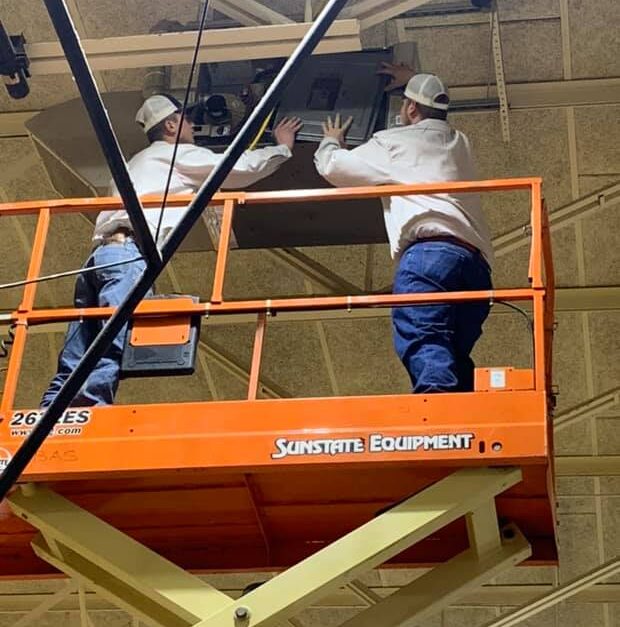
Searching for Commercial Air Conditioning System in Rockdale?
Climate Control A/C & Heating takes on heating, cooling and indoor comfort in the local area.
Phone 512-446-4020 to talk it through.
The Cooling Season: the Climate Behind the Equipment
Summers across Rockdale run long, hot and humid, which means a cooling unit seldom rests between spring and fall.
Humidity is half of the comfort problem, not an afterthought; a cooling system dehumidifies only when the compressor is on and air is moving across the coil.
Proper equipment size, good airflow and clean surfaces separate a comfortable house from a clammy one, long before a breakdown ever happens.
Inside an Air Conditioner – Heat Moves, Cold Is Not Made
A central air conditioner is a heat mover, not a cold maker; refrigerant picks up warmth from indoor air and carries it outside.
The indoor coil is where the cooling happens, and the condensing unit in the yard completes the loop by getting rid of the heat.
Fan motors and start components do a great deal of work for their size, and the larger parts usually go on to last much longer.
Service Calls in Hot Weather: Where the Fault Usually Hides
Good AC repair is detective work before it is wrench work; three very different faults can feel identical from the thermostat.
A unit that clicks and does nothing may be waiting on a bad contactor or a dead control board, though a part that failed once can point to heat or a loose connection that needs attention.
A coil that ices over points toward airflow or refrigerant, and running the system while it is frozen can damage the compressor.
A properly working system keeps its charge for good, since nothing burns it off, and the leak is the thing that has to be found and dealt with.
A blocked drain line can back water into the pan and trip a safety switch, and clearing the line is routine maintenance work.
Clues Your System Is Struggling – What Owners Notice First
Cooling equipment usually gives notice before it fails outright; these are the signs a homeowner can see, hear or feel without any tools:
- Supply air that feels weak or lukewarm even with the thermostat set low.
- Loud banging when the compressor starts, sometimes only on the hottest afternoons.
- Repeated short runs that never finish a cooling cycle, along with a higher electric bill.
- Damp spots on the ceiling below the indoor cabinet, especially in humid weather.
Tune-Ups for Cooling Gear: Catching Trouble Before It Grows
AC maintenance is a set of simple, repeatable tasks that keep a cooling system efficient, and the visit usually combines cleaning, measuring and tightening.
Filters catch the dust that would otherwise coat the indoor coil; the label on the filter and the look of its surface are a reliable guide.
Coils, drain pans and drain lines all get attention during a complete tune-up, and reading the numbers shows whether anything is drifting out of range.
Deciding on a New System: How Owners Decide
An old unit that needs repair after repair may be a candidate for AC replacement, and an honest technician explains both paths.
Older equipment may use a refrigerant that has been phased out of new production; matching parts and refrigerant correctly keeps the whole loop reliable.
Today's units move the same heat with less power than equipment from a generation ago; replacement can pay back in comfort as well as in energy use.
Matching a System to a House: Details That Shape Comfort
AC install work succeeds or fails on sizing and airflow before any equipment is delivered; windows, attic insulation and ductwork all change the answer.
Equipment that is too big runs in bursts, which hurts comfort and efficiency alike; one that is too small never reaches the setpoint on the hottest days.
Every connection, from the refrigerant lines to the thermostat wire, gets sized and routed with care, and local permit and inspection rules apply in most towns.
Ducts – Where Comfort Is Won or Lost
A duct system is the network of channels that carry conditioned air to every room and returns it for re-cooling, which is why the airflow measurement is part of a proper diagnosis.
Attic duct work in Texas sees extreme heat, so insulation and tight seams earn their keep, and sealing with mastic rather than cloth tape holds up better in the heat.
Cleaning the Air Paths: Realistic Expectations
Duct cleaning is a mechanical job that brushes loose and vacuums out what has collected; a house with no such history may not need it often.
A cleaning that ignores leaks and filtration is a short-term fix at best, and claims about health benefits should be treated skeptically.
Cooling and Heating in One: Strengths and Limits
A heat pump is an air conditioner that can run backward to warm the house; one outdoor unit does the work of two.
When outdoor temperatures fall far enough, electric strips or a furnace add the missing warmth, but a heat pump that always needs the backup may have a fault.
Burners, Igniters and Flues: What Owners Should Know
The sequence in a gas furnace runs from thermostat call to draft fan, igniter, gas valve and flame proof, and the sequence is why furnaces need testing before cold weather.
The annual furnace check is also a safety check on combustion and exhaust; never ignore an alarm or a smell of gas.
All-Electric Warmth – Features and Trade-Offs
Elements in an electric air handler turn current directly into heat, and the equipment is simple, with few moving parts.
Compared with a heat pump, strips and electric furnaces draw heavily for the heat they make; the decision rests on the building, not just the equipment.
Winter Preparation: What to Do Before the First Freeze
The heating season is short enough that equipment sits unused for months, then must work on the first cold night, which is why heating services are well scheduled in fall.
Heating systems come in several forms, and the same house may use gas furnaces, heat pumps or electric heating systems; one failed switch can shut down an otherwise healthy system.
Hot-Water Heating: Found in Older and Larger Buildings
Hydronic heating moves heat with water instead of air, which makes for quiet, even warmth; the region mostly uses forced air, so boilers are the exception.
Pressure, temperature and flame quality are the numbers that matter in a boiler check; leaks near joints deserve prompt attention.
What You Breathe at Home – the Part You Cannot See
Indoor air quality describes what is floating in the air inside a building, from dust and pollen to odors and humidity, which makes the HVAC system the natural place to improve air quality.
Filter grade matters, but a very dense filter in the wrong system can choke the airflow; the system and the filter are chosen together.
Offices, shops and restaurants need steady fresh air so that crowds do not make the space stuffy, and employee and customer comfort both depend on it.
Purifiers: What the Labels Mean
Purifiers vary widely, from simple filters to units combining filtration, carbon and other methods, and the right choice depends on what needs removing.
A purifier works alongside good ventilation and a clean system, not in place of them; a technician looks at the system before recommending a device.
Light and Mist Treatments: Where They Fit
UV lights install in the air handler and shine on the indoor coil and drain pan to limit microbial growth, and a technician can explain which kind fits a given air handler.
An antimicrobial mist is sprayed or fogged onto surfaces inside the system or the building; the label for the product spells out how it is to be used.
Bringing Outdoor Air In: the Case for Planned Airflow
Ventilating also removes moisture from kitchens and baths before it settles into the structure; an energy recovery ventilator can trade heat and moisture between the two airstreams.
Ductwork that dumps moisture into an attic can create damage far from the source, and this is another reason the whole building matters.
Keeping a Workplace Comfortable – Planning Around the Business
Commercial air conditioning system designs range from rooftop packages to split systems and multi-zone setups, and filters, belts, coils and drains are the usual checklist items.
Commercial equipment is built to run long hours, and it still depends on clean coils and clear drains; planning a changeout around business hours limits disruption.
Chiller Systems for Larger Buildings – Water Carries the Cold
Chiller systems are used in large offices, schools, hospitals and industrial plants; air-cooled and water-cooled designs differ in how they reject heat.
Refrigeration Service: Temperature Is the Whole Job
Refrigeration equipment uses the same basic cycle as air conditioning but at much lower temperatures, which is why restaurants and stores plan service ahead of busy seasons.
How Climate Control A/C & Heating Thinks About Commercial Air Conditioning System around Rockdale
Conversation comes first, because the owner knows the symptoms better than anyone, and then the system gets inspected with gauges, meters and a careful eye.
A repair, a tune-up and a replacement are each described for what they are and what they involve, and the owner stays in control of the decision.
Questions About Your System Are Welcome
Contact us at 512-446-4020 to set up a visit or talk through your options.
What to Remember: Small Habits, Big Difference
Equipment, ducts and air quality are connected, so a question about Commercial Air Conditioning System is rarely a stand-alone one, with Climate Control A/C & Heating at 512-446-4020 to start the conversation.