
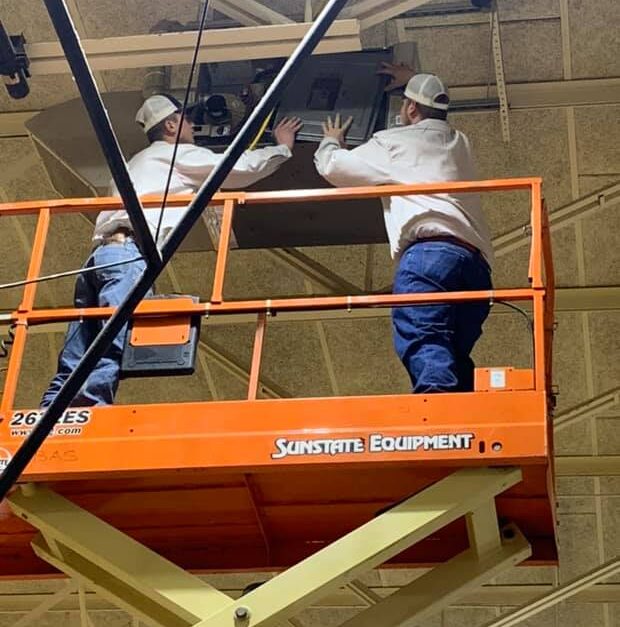
In need of AC Maintenance throughout Marak?
Climate Control A/C & Heating works on cooling, heating and the air indoors in the surrounding towns.
Reach us at 512-446-4020 to talk it through.
A Hot, Wet Climate: the Climate Behind the Equipment
Hot weather in Marak settles in for months at a time, which means a cooling unit seldom rests between spring and fall.
Moisture in the air matters as much as the thermometer reading, and removing it takes steady run time rather than quick bursts.
Right sizing, steady airflow and a clean coil therefore decide how a house feels, even before anything breaks.
Inside an Air Conditioner: a Plain Explanation
Nothing in a cooling system generates cold air from scratch; a sealed loop of refrigerant absorbs heat at one point and releases it at another.
Inside the house, the evaporator coil does the absorbing; the outdoor cabinet houses the compressor, the condenser coil and a fan.
Parts that wear out fastest are usually the small electrical ones, and the larger parts usually go on to last much longer.
Cooling Troubles – Finding the Real Cause
A thorough air conditioning repair starts with a diagnosis rather than a hunch; the same warm room can come from a dead capacitor, a frozen coil or a leak.
A unit that clicks and does nothing may be waiting on a bad contactor or a dead control board, and each can be tested with a meter in a few minutes.
A coil that ices over points toward airflow or refrigerant; the coil needs to thaw completely before anyone can measure what is going on.
The charge in a cooling system is fixed, so a shortage points to escape; topping off a leaking system is a temporary patch that lets the problem return.
A blocked drain line can back water into the pan and trip a safety switch, and a flush of the line during regular service often prevents the problem.
Symptoms Worth Noticing – Before a Breakdown
The system tends to behave differently well before the day it stops, and the items below are easy to check from inside the house:
- One end of the house that feels warmer though the unit sounds normal.
- A hissing noise near the refrigerant lines, sometimes only on the hottest afternoons.
- An outdoor unit that starts and stops every few minutes, even though the thermostat is satisfied.
- Water around the air handler, often tracing back to the drain line.
Keeping Equipment Healthy – the Work Behind Reliable Comfort
Regular AC maintenance trims the chance of a breakdown during the hottest week, and the visit usually combines cleaning, measuring and tightening.
Dirty filters are the single easiest thing for an owner to handle, and how often it needs changing depends on the filter type, pets and the season.
Dirt on the condenser makes the compressor run hotter, so that coil gets cleaned too; tightening electrical connections is a standard part of the job.
Time for a Change: Questions to Ask First
Air conditioning equipment reaches a point where a new system makes more sense than another fix, and an honest technician explains both paths.
Refrigerant types have changed over time, so older systems may use one that is hard to find; current equipment follows the refrigerant rules in force today.
Newer cooling equipment is generally more efficient than older models, and in a long cooling season those savings add up.
Matching a System to a House: Details That Shape Comfort
Proper AC install planning measures the house, the windows, the insulation and the sun exposure; windows, attic insulation and ductwork all change the answer.
Too much capacity leads to short cycling, uneven rooms and a clammy feel, and a unit that is too small runs constantly without catching up.
The indoor and outdoor parts have to match each other and the ductwork; the owner then gets a walk-through of the thermostat and the filter.
Ductwork Matters: the Lungs of the House
In many houses, the ducts decide whether a new system performs as promised; undersized trunks, kinked runs and open seams all choke the flow.
Runs through an unconditioned attic or crawl space gain heat or lose chill unless sealed and wrapped, which can improve comfort without touching the equipment.
Dust, Debris and Ductwork – Reasons and Limits
Duct cleaning removes dust and debris from the supply and return runs, the registers and the blower compartment, and the decision should rest on what is actually in the ducts.
A cleaning that ignores leaks and filtration is a short-term fix at best, and a careful provider will show the owner what was found inside.
Heat Pumps – Why They Suit the Region
Heat pumps move heat in both directions, cooling in summer and heating in winter; one outdoor unit does the work of two.
On extremely cold days the heat pump leans on supplemental heat to keep up; watch for unusually high bills as a hint.
Furnace Basics: What Owners Should Know
Gas furnaces rely on an igniter, a flame sensor and a gas valve working in sequence; a cracked heat exchanger is a safety issue that calls for a prompt professional look.
The annual furnace check is also a safety check on combustion and exhaust; never ignore an alarm or a smell of gas.
Resistance and Strip Heat – Features and Trade-Offs
Elements in an electric air handler turn current directly into heat; the electrical safety devices do the most important work.
Compared with a heat pump, strips and electric furnaces draw heavily for the heat they make, particularly where cold stretches are brief.
Warmth When the Front Arrives: What to Do Before the First Freeze
A norther can send temperatures tumbling, and heating systems that sat idle all summer must start right up; heating systems are better checked before they are needed.
From gas furnaces to heat pumps, each heating system needs different attention before winter, which keeps the work simple to explain and easy to follow.
Boiler Systems: Found in Older and Larger Buildings
Radiant floor and baseboard heating both rely on a boiler to heat the water, and they are less common in Texas than furnaces and heat pumps.
Air in the lines, a stuck valve or a weak pump are common reasons a boiler heats unevenly; water damage can grow quickly.
Cleaner Air Indoors – Sources, Symptoms and Solutions
The air in a house mixes outdoor pollen, indoor dust and chemicals from everyday products; allergy seasons put extra load on filters and ducts.
Choosing a filter means balancing how much it removes against how much resistance it adds, and a technician can recommend what the equipment can handle.
Businesses face their own air issues, from shared air handlers to customers coming and going all day; ventilation rules for occupied spaces set a baseline.
Filters, Purifiers and Their Limits: What the Labels Mean
Whole-home purifiers treat air as it passes through the system, while portable ones clean a single space; pollen and dust call for filtration, while odors call for carbon.
Good results come from a purifier chosen to complement the rest of the system; a technician looks at the system before recommending a device.
Light and Mist Treatments: Understanding the Options
A UV lamp does not clean the air passing by, but it treats the surfaces it can see; ask what the lamp targets and how often it needs service.
Treatments with antimicrobial mist are used after cleaning, when surfaces are dry and accessible, and it works best where the source of moisture has been dealt with.
Ventilation Done Right: Why Tight Buildings Need It
Modern buildings are tight, so ventilating on purpose keeps carbon dioxide and odors from building up, and in a humid climate the incoming air needs dehumidifying.
Exhaust fans that move air out of kitchens and baths should vent outdoors, not into the attic, and this is another reason the whole building matters.
Business Climate Control: From Rooftop Units to Split Systems
Shops, restaurants, offices and churches often rely on rooftop equipment that serves a zone of the building; a break in cooling can mean lost customers or a workday cut short.
Commercial equipment is built to run long hours, and it still depends on clean coils and clear drains, and larger properties may phase work across several units.
Chillers: How They Differ From Packaged Units
Instead of cooling air directly, chiller systems cool a water loop that serves coils across the property, and they need specialized service knowledge.
Keeping Food and Product Cold – Why Failures Matter Fast
Walk-in coolers rely on evaporators, condensing units, defrost systems and door seals working together, and food safety rules set limits that equipment must keep.
How Climate Control A/C & Heating Looks at AC Maintenance throughout Marak
Before touching a tool, the technician hears the history of the problem from the person who lives with it; readings replace guesses, and the findings are explained in plain language.
Options are laid out clearly, with the reasons behind each recommendation, and the work proceeds only when the owner agrees.
Start With a Conversation
Call 512-446-4020 to book a technician or get a straight answer.
What to Remember: Attention Now Saves Trouble Later
Whether the need falls under AC Maintenance or elsewhere in the heating, cooling and air quality family, the same principles apply; reach Climate Control A/C & Heating at 512-446-4020 when you are ready.