
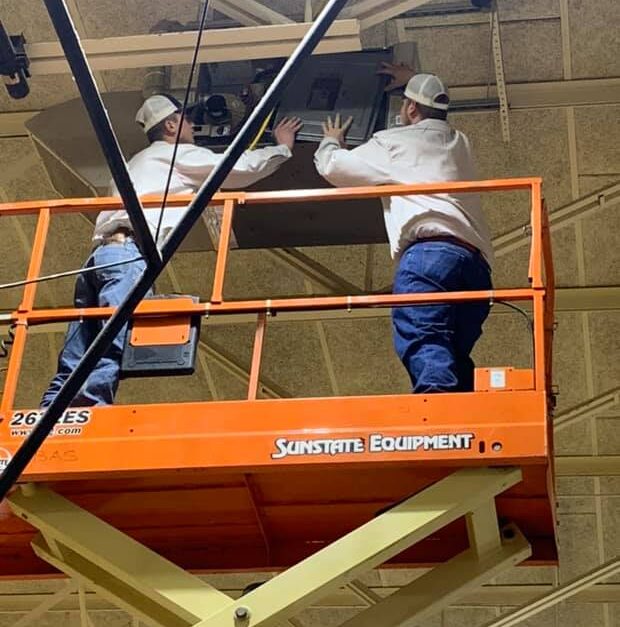
Shopping around for Air Conditioning Repair throughout Rockdale?
Climate Control A/C & Heating works on the equipment that keeps buildings comfortable close to home.
Call 512-446-4020 to talk it through.
A Hot, Wet Climate: Why Equipment Works Hard Here
Warm weather in Rockdale stretches across much of the calendar, which means a cooling unit seldom rests between spring and fall.
Damp air changes how a house feels at any given temperature; a cooling system dehumidifies only when the compressor is on and air is moving across the coil.
Right size, steady airflow and a clean coil explain much of how a house feels, regardless of which brand is on the cabinet.
Anatomy of a Cooling System: a Plain Explanation
Nothing in a cooling system generates cold air from scratch; the refrigerant carries heat out of the house and leaves the cool behind.
The air handler holds the indoor coil and the blower that pushes air across it, with the compressor outside squeezing the refrigerant so the heat can leave.
Parts that wear out fastest are usually the small electrical ones, which is why a quick diagnosis matters before anyone talks about replacement.
Problems Behind a Warm House: a Look at Common Failures
Air conditioning repair begins with finding out why the system quit, not with swapping parts; weak cooling is a symptom that many separate faults share.
If the outdoor unit is silent, power, a breaker and the low-voltage wiring are the first suspects, and they usually repair cleanly because the parts are small.
Ice building up near the air handler tells a technician where to look; shutting the cooling off is the safest response until someone inspects it.
Low refrigerant means a leak, because the charge stays put when the loop is tight, which is why measuring pressures and temperatures matters more than adding gas.
Clogged condensate drains are a quiet cause of water stains and shutdowns; moisture removed from muggy air adds up to gallons a day.
Warning Signs: Trust Your Senses
Cooling equipment usually gives notice before it fails outright; these are the signs a homeowner can see, hear or feel without any tools:
- Supply air that feels weak or lukewarm despite thin airflow at the vents.
- A hissing noise near the refrigerant lines, sometimes only on the hottest afternoons.
- An outdoor unit that starts and stops every few minutes, even though the thermostat is satisfied.
- Damp spots on the ceiling below the indoor cabinet, sometimes from a dirty coil.
Routine Care: Catching Trouble Before It Grows
Regular AC maintenance trims the chance of a breakdown during the hottest week, and the work centers on airflow, cleanliness and electrical health.
Filters catch the dust that would otherwise coat the indoor coil; homes with pets, dust or a constant run schedule need fresh filters more often.
The visit usually includes the condenser coil, the evaporator coil and a flush of the drain line; temperature drop and refrigerant pressures are measured to show how the loop is behaving.
Deciding on a New System: Weighing the Options Honestly
Replacement is worth considering once repairs pile up on equipment that was already aging; the right answer differs from one house to the next.
Refrigerant types have changed over time, so older systems may use one that is hard to find; current equipment follows the refrigerant rules in force today.
Newer cooling equipment is generally more efficient than older models; the benefit grows in houses that rely on cooling much of the year.
Planning a New Installation – Bigger Is Not Better
Air conditioning install quality depends on matching capacity to what the building actually needs, and two houses of the same size can need very different equipment.
An oversized system cools the air quickly and then shuts off before it removes moisture; the right size runs long, steady cycles that dry the air.
A complete installation pairs the condenser, the coil and the air handler as one system, and local permit and inspection rules apply in most towns.
Duct System Basics: Sizing, Sealing and Insulation
In many houses, the ducts decide whether a new system performs as promised; undersized trunks, kinked runs and open seams all choke the flow.
Leaks at joints pull attic air into the system and push cooled air out into the rafters; the usual fix is sealing the seams, supporting the runs and adding insulation.
Cleaning the Air Paths: Realistic Expectations
A duct cleaning visit reaches the trunk lines, the branches and the grilles, and the decision should rest on what is actually in the ducts.
Dirt returns quickly if the filter is poor or the returns leak unfiltered air, and a careful provider will show the owner what was found inside.
Heat Pump Basics – Why They Suit the Region
Heat pumps move heat in both directions, cooling in summer and heating in winter, which suits places where freezing weather is brief.
A heat pump may call on backup heat during a hard freeze or while defrosting its coil; watch for unusually high bills as a hint.
Gas Furnaces: Reliable Heat for Cold Fronts
Gas furnaces rely on an igniter, a flame sensor and a gas valve working in sequence, and a dirty flame sensor is a frequent reason for a furnace that lights and then shuts off.
Safe furnace operation depends on clear venting and working carbon monoxide alarms, and stored items near the unit can block airflow and combustion air.
Heating With Electricity – Where It Fits Best
Electric heating systems have no burner, no flue and no combustion byproducts, and the equipment is simple, with few moving parts.
Resistance heat converts every unit of power to heat, while a heat pump moves several units for each one consumed, and a technician can explain how each option behaves in a mild climate.
Heating Systems of Every Type – Reliable Heat on Demand
A norther can send temperatures tumbling, and heating systems that sat idle all summer must start right up, and a test on a mild day beats a surprise on a freezing one.
A heating service call looks at the heat source, the blower, the filter, the thermostat and the airflow, and the safety controls get tested along with the comfort ones.
Hot-Water Heating: Less Common, Still Important
Hydronic heating moves heat with water instead of air, which makes for quiet, even warmth; the region mostly uses forced air, so boilers are the exception.
Air in the lines, a stuck valve or a weak pump are common reasons a boiler heats unevenly; leaks near joints deserve prompt attention.
The Air Inside Your Walls – Sources, Symptoms and Solutions
The air in a house mixes outdoor pollen, indoor dust and chemicals from everyday products, and in Texas, cedar pollen and spring dust can find their way inside.
Filter grade matters, but a very dense filter in the wrong system can choke the airflow; humidity control prevents the conditions mold needs.
Larger buildings circulate air through central equipment, so one fault can reach every room, and a maintenance plan fits the building's size and hours.
Air Purification Options: Matching the Tool to the Problem
Whole-home purifiers treat air as it passes through the system, while portable ones clean a single space; pollen and dust call for filtration, while odors call for carbon.
Purifiers help most when the air handler is clean, the ducts are sealed and humidity is under control, and a conversation about the whole house usually comes first.
Light and Mist Treatments – Reasonable Expectations
Lamps inside the cabinet work on the coil and pan, and they need replacing on a schedule, and a technician can explain which kind fits a given air handler.
Treatments with antimicrobial mist are used after cleaning, when surfaces are dry and accessible; the label for the product spells out how it is to be used.
Bringing Outdoor Air In: the Case for Planned Airflow
Bath fans, kitchen hoods and outdoor air intakes are all part of ventilating a modern building, which is where design and service make a real difference.
Good attic airflow lowers the heat that leaks down into the living space; the equipment, the envelope and the airflow work as a team.
Cooling for Shops, Offices and Buildings: Uptime Matters
A commercial AC system is sized for heat from people, lighting and machines as well as sunshine; a break in cooling can mean lost customers or a workday cut short.
Condensate drains on rooftops clog with debris, and the water can stain ceilings below; a clear plan helps the business stay open.
Chiller Systems for Larger Buildings: How They Differ From Packaged Units
Chiller systems cool water, and pumps carry the chilled water through pipes to air handlers throughout a building, and water treatment, tube cleaning and refrigerant checks are routine tasks.
Commercial Refrigeration – Why Failures Matter Fast
Walk-in coolers rely on evaporators, condensing units, defrost systems and door seals working together, which is why restaurants and stores plan service ahead of busy seasons.
How Climate Control A/C & Heating Approaches Air Conditioning Repair across Rockdale
Every visit starts with questions about what the equipment has been doing and when, and then the system gets inspected with gauges, meters and a careful eye.
Options are laid out clearly, with the reasons behind each recommendation; nothing starts without a clear understanding.
Ready When You Are
Reach out at 512-446-4020 to set up a visit or talk through your options.
Closing Thoughts: Comfort Is a System
Whether the need falls under Air Conditioning Repair or elsewhere in the heating, cooling and air quality family, the same principles apply, and Climate Control A/C & Heating answers questions at 512-446-4020.