
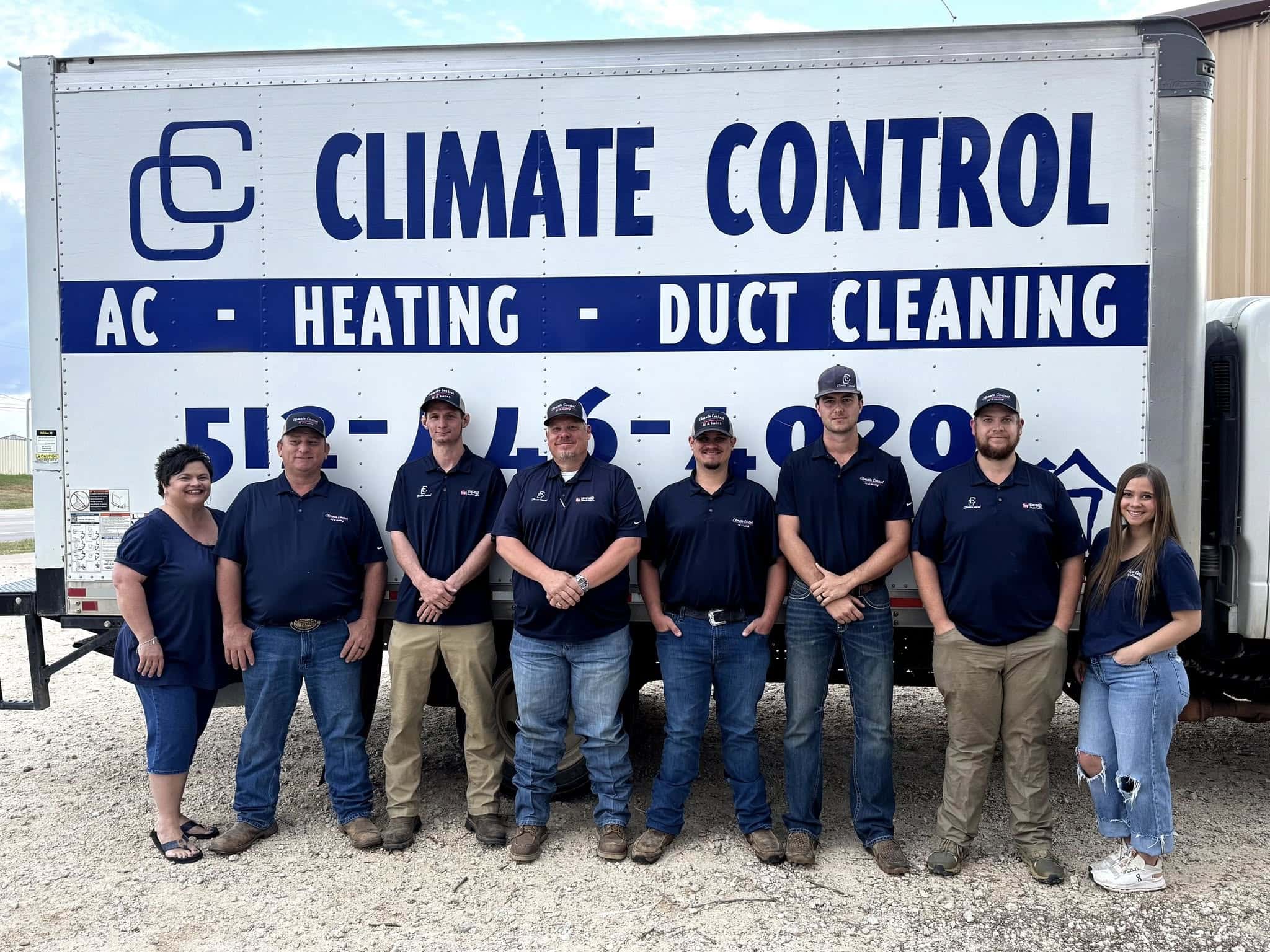
Shopping around for Gas Furnaces throughout Ben Arnold?
Climate Control A/C & Heating supports the equipment that keeps buildings comfortable around the community.
Dial 512-446-4020 to describe what your equipment is doing.
What Summer Asks of a System – Built for a Long Haul
Hot weather in Ben Arnold settles in for months at a time, and the equipment that carries the load is working harder than its owner tends to notice.
Damp air changes how a house feels at any given temperature, and the coil is where the moisture condenses and drains away.
Matching capacity to the house, moving enough air and keeping the coil clean all shape the result, regardless of which brand is on the cabinet.
How Air Conditioning Works: the Basics Worth Knowing
Cooling equipment does not manufacture chill; it collects heat inside the house and dumps it into the outdoor air.
The air handler holds the indoor coil and the blower that pushes air across it; the outdoor cabinet houses the compressor, the condenser coil and a fan.
Starting and stopping thousands of times a season is hard on switches and capacitors, which is why a quick diagnosis matters before anyone talks about replacement.
Service Calls in Hot Weather – Sorting Symptoms From Causes
Air conditioning repair begins with finding out why the system quit, not with swapping parts, and each of those causes needs a different fix.
A tripped breaker, a failed capacitor or a worn contactor keeps the outdoor unit from starting; the diagnosis comes before any decision about a bigger job.
Frost on the indoor coil or the copper line is a warning sign, not a cooling success, and the cause may be as simple as a clogged filter or as involved as a leak.
Refrigerant is sealed in a loop and does not get used up; a responsible repair locates the leak instead of simply adding more.
Algae and debris plug the drain, and many systems have a float switch that stops the cooling, though a stopped system after heavy use is a good moment to check it.
Warning Signs: Trust Your Senses
The system tends to behave differently well before the day it stops; these are the signs a homeowner can see, hear or feel without any tools:
- Supply air that feels weak or lukewarm though the unit sounds normal.
- A burning smell from the vents, sometimes only on the hottest afternoons.
- Short, frequent cycling of the outdoor unit; parts wear faster.
- Water around the air handler, which deserves a look before damage spreads.
Keeping Equipment Healthy: Catching Trouble Before It Grows
AC maintenance is a set of simple, repeatable tasks that keep a cooling system efficient; the technician cleans what gets dirty and measures what can drift.
Changing the filter on schedule protects the coil, the blower and the ductwork, and how often it needs changing depends on the filter type, pets and the season.
Coils, drain pans and drain lines all get attention during a complete tune-up; capacitors, contactors, wiring and motor amperage get checked as well.
Time for a Change: How Owners Decide
Replacement is worth considering once repairs pile up on equipment that was already aging; the right answer differs from one house to the next.
Some older units run on refrigerant that is now scarce, which affects repair decisions, and that can tip a close decision toward replacement.
Today's units move the same heat with less power than equipment from a generation ago, and in a long cooling season those savings add up.
Matching a System to a House – a Calculation, Not a Guess
Air conditioning install quality depends on matching capacity to what the building actually needs, and the standard method for homes is a room-by-room heat gain calculation.
An oversized system cools the air quickly and then shuts off before it removes moisture; one that is too small never reaches the setpoint on the hottest days.
The indoor and outdoor parts have to match each other and the ductwork, and a startup check confirms the charge, the airflow and the temperature drop.
Duct System Basics: the Lungs of the House
The duct system is as much a part of comfort as the unit that feeds it; a house with comfort problems deserves a look at its air paths.
Attic duct work in Texas sees extreme heat, so insulation and tight seams earn their keep, and sealing with mastic rather than cloth tape holds up better in the heat.
Cleaning the Air Paths – Deciding if It Fits
Duct cleaning is a mechanical job that brushes loose and vacuums out what has collected, and it makes the most sense after a renovation, a pest problem or visible contamination.
Clean ducts work best alongside a good filter and sealed connections; ask to see before-and-after photos of the work.
The Two-Way Heat Mover: Strengths and Limits
Heat pumps use the same refrigerant loop as an air conditioner, with a reversing valve added, and that makes them efficient in climates with mild winters.
On extremely cold days the heat pump leans on supplemental heat to keep up, but a heat pump that always needs the backup may have a fault.
Burners, Igniters and Flues – Parts, Safety and Service
Gas furnaces rely on an igniter, a flame sensor and a gas valve working in sequence, and the sequence is why furnaces need testing before cold weather.
A technician checks venting, gas pressure and the heat exchanger during a furnace tune-up; never ignore an alarm or a smell of gas.
Heating With Electricity: What to Expect From It
Electric heat uses sequenced elements, relays and limit switches to warm the house, and the main wear items are the elements, the sequencers and the blower.
Electricity makes heat at a steady rate, but resistance heat uses more power than a heat pump does for the same warmth; the decision rests on the building, not just the equipment.
Warmth When the Front Arrives: What to Do Before the First Freeze
A hard freeze can arrive with little warning, so heating equipment needs to be ready before it is called on, which is why heating services are well scheduled in fall.
Furnaces, heat pumps and electric air handlers all heat homes, and each has its own checkup list, and the safety controls get tested along with the comfort ones.
Hydronic Warmth: How Hydronic Systems Differ
Radiant floor and baseboard heating both rely on a boiler to heat the water, and the parts, from circulators to expansion tanks, differ from forced-air equipment.
Pressure, temperature and flame quality are the numbers that matter in a boiler check; leaks near joints deserve prompt attention.
The Air Inside Your Walls: Beyond Temperature and Humidity
Air inside a home can carry particles, gases and moisture that the thermostat never shows, and in Texas, cedar pollen and spring dust can find their way inside.
Filter grade matters, but a very dense filter in the wrong system can choke the airflow, and a technician can recommend what the equipment can handle.
Offices, shops and restaurants need steady fresh air so that crowds do not make the space stuffy, and a maintenance plan fits the building's size and hours.
Air Purification Options: What the Labels Mean
Whole-home purifiers treat air as it passes through the system, while portable ones clean a single space, and ozone-producing models are better avoided in occupied rooms.
Purifiers help most when the air handler is clean, the ducts are sealed and humidity is under control; the goal is a measurable improvement, not a gadget.
Keeping Coils Clean Between Visits: What They Do and What They Do Not
Ultraviolet lamps near the coil are meant to keep it cleaner by discouraging growth on damp surfaces, and a technician can explain which kind fits a given air handler.
An antimicrobial mist is sprayed or fogged onto surfaces inside the system or the building, and ventilation and occupant safety are part of the process.
Ventilation Done Right – Controlled and Filtered
Planned ventilation brings in measured amounts of outdoor air and exhausts the stale air; the cooling equipment has to be sized to handle the fresh air coming in.
Exhaust fans that move air out of kitchens and baths should vent outdoors, not into the attic; improvements can start with simple, low-effort fixes.
Commercial AC Systems – Planning Around the Business
Commercial air conditioning system designs range from rooftop packages to split systems and multi-zone setups, which is why many businesses plan service around their schedule.
Coil cleaning, belt checks and economizer inspections are part of keeping commercial equipment dependable, and replacement decisions weigh downtime as well as equipment.
Central Plant Equipment – Water Carries the Cold
Chiller systems are used in large offices, schools, hospitals and industrial plants; air-cooled and water-cooled designs differ in how they reject heat.
Commercial Refrigeration – Why Failures Matter Fast
Businesses that sell or store food depend on refrigeration service to hold safe temperatures; regular cleaning of condenser coils matters even more than in comfort cooling.
How Climate Control A/C & Heating Looks at Gas Furnaces near Ben Arnold
The technician asks what changed, what is happening and how long it has been going on, and then the system gets inspected with gauges, meters and a careful eye.
Options are laid out clearly, with the reasons behind each recommendation; good service depends on trust running both ways.
Comfort Is a Phone Call Away
Reach out at 512-446-4020 to line up service or learn what to expect.
What to Remember: Small Habits, Big Difference
From Gas Furnaces to routine upkeep, good outcomes come from understanding the equipment and caring for it; Climate Control A/C & Heating can walk through the choices with you.