
Trying to find Heating Systems in Ben Arnold?
Climate Control A/C & Heating looks after comfort equipment of every kind close to home.
Reach us at 512-446-4020 to describe what your equipment is doing.
What Summer Asks of a System: Why Equipment Works Hard Here
Hot weather in Ben Arnold settles in for months at a time; the machine on the pad outside is among the busiest appliances a household owns.
Sticky air can make a cool room feel uncomfortable, and the coil is where the moisture condenses and drains away.
Right sizing, steady airflow and a clean coil therefore decide how a house feels, and each one is something a technician can check on site.
Moving Heat Outdoors: the Basics Worth Knowing
Cooling equipment does not manufacture chill; warmth is absorbed in one coil and released in another.
The indoor coil is where the cooling happens; the outdoor cabinet houses the compressor, the condenser coil and a fan.
Wear tends to show up in the electrical components before the big mechanical ones, which is why a quick diagnosis matters before anyone talks about replacement.
Diagnosing a Weak Cooling System: Repair Starts With Diagnosis
A proper air conditioning repair sorts the symptom from the cause before anything is replaced; three very different faults can feel identical from the thermostat.
When the outdoor fan hums but will not spin, a capacitor is often the reason, and each can be tested with a meter in a few minutes.
Ice on the lines almost always means too little air or too little refrigerant; the coil needs to thaw completely before anyone can measure what is going on.
A properly working system keeps its charge for good, since nothing burns it off, which is why measuring pressures and temperatures matters more than adding gas.
Algae and debris plug the drain, and many systems have a float switch that stops the cooling, and the fix is usually quick once the blockage is found.
Symptoms Worth Noticing: Trust Your Senses
A struggling cooling system leaves clues around the house, and the following signs are worth acting on:
- Uneven temperatures from room to room while the system runs nonstop.
- A buzzing or clicking sound at startup, especially when the weather is hot.
- Constant starting and stopping through the afternoon; parts wear faster.
- Musty smells when the blower starts, sometimes from a dirty coil.
Regular Maintenance – the Work Behind Reliable Comfort
Routine AC maintenance heads off the kind of failure that arrives on a hot afternoon, and the visit usually combines cleaning, measuring and tightening.
A clogged filter chokes the blower and starves the coil of air; the label on the filter and the look of its surface are a reliable guide.
The visit usually includes the condenser coil, the evaporator coil and a flush of the drain line; capacitors, contactors, wiring and motor amperage get checked as well.
Deciding on a New System – Age, Condition and Efficiency
An old unit that needs repair after repair may be a candidate for AC replacement, and an honest technician explains both paths.
A system built around a retired refrigerant can be a poor candidate for major repairs; current equipment follows the refrigerant rules in force today.
Efficiency has improved steadily, and a modern system can use noticeably less electricity, which matters most where the system runs for months.
Choosing Capacity – a Calculation, Not a Guess
An air conditioning install starts with a load calculation, not a rule of thumb, and two houses of the same size can need very different equipment.
An oversized system cools the air quickly and then shuts off before it removes moisture; one that is too small never reaches the setpoint on the hottest days.
Matched components perform to their design efficiency, while mismatched ones fall short, and local permit and inspection rules apply in most towns.
Ducts – Where Comfort Is Won or Lost
A duct system is the network of channels that carry conditioned air to every room and returns it for re-cooling, and leaks, bad bends and poor insulation waste a large share of the effort.
A long flexible run through a hot attic needs support, sealing and good insulation, and sealing with mastic rather than cloth tape holds up better in the heat.
Duct Cleaning: Worth Doing at the Right Time
Air passages collect dust, and duct cleaning is the way to clear it from the inside; construction dust, rodents or visible mold growth are the usual reasons to schedule it.
Clean ducts work best alongside a good filter and sealed connections, and claims about health benefits should be treated skeptically.
The Two-Way Heat Mover: a Natural Fit for Mild Winters
A heat pump is an air conditioner that can run backward to warm the house; one outdoor unit does the work of two.
On extremely cold days the heat pump leans on supplemental heat to keep up, but a heat pump that always needs the backup may have a fault.
Furnace Basics: What Owners Should Know
Inside a gas furnace, a burner lights, a heat exchanger warms up and the blower pushes air across it, and the sequence is why furnaces need testing before cold weather.
Safe furnace operation depends on clear venting and working carbon monoxide alarms; never ignore an alarm or a smell of gas.
Electric Heating Systems: Simple Equipment, Steady Output
An electric furnace passes air over banks of resistance elements that glow when energized, and the equipment is simple, with few moving parts.
Resistance heat converts every unit of power to heat, while a heat pump moves several units for each one consumed; the decision rests on the building, not just the equipment.
Heating Services: Short Winters Still Bite
Winters in Texas are short, but cold fronts can drop temperatures sharply in a matter of hours, which is why heating services are well scheduled in fall.
Furnaces, heat pumps and electric air handlers all heat homes, and each has its own checkup list; the common thread is clean air passages and a blower that moves enough air.
Hot-Water Heating – Radiators, Coils and Radiant Floors
Boiler systems heat water or make steam and send it through pipes to radiators, baseboards or in-floor loops; the region mostly uses forced air, so boilers are the exception.
A boiler tune-up checks combustion, water level, pressure and the controls that keep it safe; neglected boilers corrode inside, so water quality and venting matter.
The Air Inside Your Walls: Beyond Temperature and Humidity
Indoor air quality describes what is floating in the air inside a building, from dust and pollen to odors and humidity; allergy seasons put extra load on filters and ducts.
Filter grade matters, but a very dense filter in the wrong system can choke the airflow; humidity control prevents the conditions mold needs.
Businesses face their own air issues, from shared air handlers to customers coming and going all day; scheduled filter changes and coil cleaning keep these systems honest.
Purifiers: What the Labels Mean
Some purifiers capture particles with high-efficiency filters, and others target odors with carbon; any claims about performance should be checked against the specification.
Buying a purifier without fixing a moisture problem treats a symptom and misses the cause, and a conversation about the whole house usually comes first.
Add-On Air Treatments – Tools for a Damp Climate
Lamps inside the cabinet work on the coil and pan, and they need replacing on a schedule; ask what the lamp targets and how often it needs service.
Fogging a space with antimicrobial mist is a surface treatment, not a cure for a moisture problem; the underlying cause still has to be fixed.
Letting a Building Breathe: the Case for Planned Airflow
Ventilating a building means replacing stale indoor air with fresh outdoor air in a controlled way, and in a humid climate the incoming air needs dehumidifying.
Good attic airflow lowers the heat that leaks down into the living space, and a technician who looks at the surroundings sees more than the unit alone.
Cooling for Shops, Offices and Buildings: Uptime Matters
Shops, restaurants, offices and churches often rely on rooftop equipment that serves a zone of the building; a break in cooling can mean lost customers or a workday cut short.
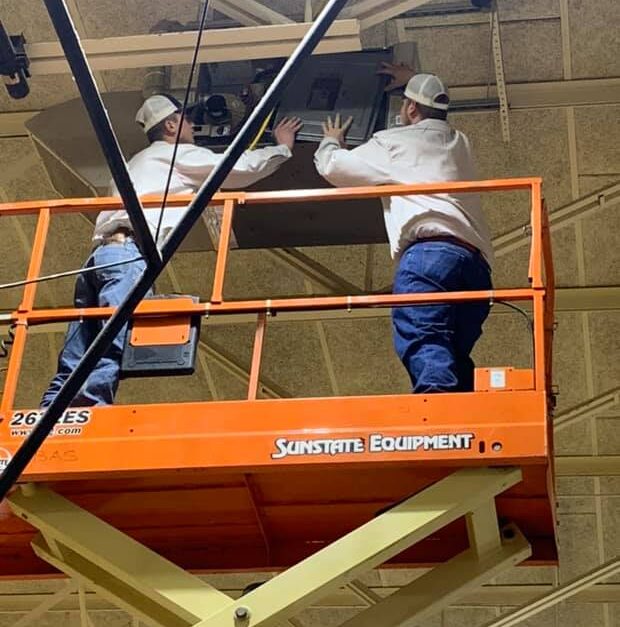
Rooftop units sit in the sun and wind, so the cabinets, the coils and the curbs take a beating; planning a changeout around business hours limits disruption.
Chilled Water Cooling: How They Differ From Packaged Units
Chiller systems are used in large offices, schools, hospitals and industrial plants, and water treatment, tube cleaning and refrigerant checks are routine tasks.
Coolers, Freezers and Ice Machines: What Service Involves
Walk-in coolers rely on evaporators, condensing units, defrost systems and door seals working together, and food safety rules set limits that equipment must keep.
How Climate Control A/C & Heating Works Through Heating Systems across Ben Arnold
Conversation comes first, because the owner knows the symptoms better than anyone, followed by an explanation of what was found and what the choices are.
The owner hears what needs to happen now, what can wait and what is optional; good service depends on trust running both ways.
Comfort Is a Phone Call Away
Call 512-446-4020 to set up a visit or talk through your options.
What to Remember: Small Habits, Big Difference
Searching for Heating Systems in Ben Arnold usually leads to the same few questions about size, age, airflow and care; Climate Control A/C & Heating can walk through the choices with you.