
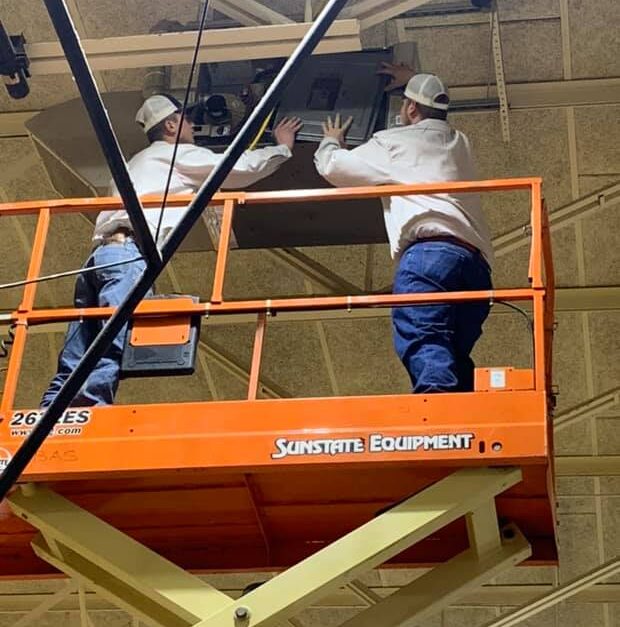
In need of Duct Work across Buckholts?
Climate Control A/C & Heating looks after the equipment that keeps buildings comfortable in the local area.
Contact us at 512-446-4020 and tell us what you are noticing.
What Summer Asks of a System: Local Conditions Come First
Summers across Buckholts run long, hot and humid, which means a cooling unit seldom rests between spring and fall.
Humidity is half of the comfort problem, not an afterthought, and removing it takes steady run time rather than quick bursts.
Proper equipment size, good airflow and clean surfaces separate a comfortable house from a clammy one, regardless of which brand is on the cabinet.
The Refrigerant Cycle: a Plain Explanation
Air conditioning is the business of relocating heat; a sealed loop of refrigerant absorbs heat at one point and releases it at another.
The air handler holds the indoor coil and the blower that pushes air across it, and the outdoor unit holds the compressor and condenser coil that push that heat away.
Parts that wear out fastest are usually the small electrical ones, which is why a quick diagnosis matters before anyone talks about replacement.
Problems Behind a Warm House: Where the Fault Usually Hides
AC repair that works starts with measurements, because guessing wastes time and parts, and each of those causes needs a different fix.
A unit that clicks and does nothing may be waiting on a bad contactor or a dead control board, and these are among the quicker repairs when the technician has the part.
Ice on the lines almost always means too little air or too little refrigerant; the coil needs to thaw completely before anyone can measure what is going on.
Low refrigerant means a leak, because the charge stays put when the loop is tight; topping off a leaking system is a temporary patch that lets the problem return.
Water around the air handler often means the condensate line has clogged with slime, and the fix is usually quick once the blockage is found.
Symptoms Worth Noticing: Spotting Problems Early
The system tends to behave differently well before the day it stops, and the items below are easy to check from inside the house:
- Uneven temperatures from room to room even though the blower sounds normal.
- A burning smell from the vents, often getting louder from one week to the next.
- A system that turns on and off in short cycles, along with a higher electric bill.
- Water around the air handler, particularly after long runs.
Regular Maintenance – the Work Behind Reliable Comfort
AC maintenance is a set of simple, repeatable tasks that keep a cooling system efficient, and the visit usually combines cleaning, measuring and tightening.
Filters catch the dust that would otherwise coat the indoor coil, and a quick check each month is a good habit through the summer.
Dirt on the condenser makes the compressor run hotter, so that coil gets cleaned too; the report reflects measurements rather than guesses.
When Replacement Makes Sense – Age, Condition and Efficiency
An old unit that needs repair after repair may be a candidate for AC replacement; the decision belongs to the owner, who deserves the facts.
A system built around a retired refrigerant can be a poor candidate for major repairs, and newer equipment is built for current refrigerants.
Efficiency has improved steadily, and a modern system can use noticeably less electricity, and comfort improves along with the numbers.
Sizing and Setup: the Groundwork Matters
Choosing equipment for an AC install means working out how much heat the structure gains, and two houses of the same size can need very different equipment.
An oversized system cools the air quickly and then shuts off before it removes moisture, and a proper calculation avoids both extremes.
The indoor and outdoor parts have to match each other and the ductwork, and the installer verifies airflow and charge before leaving the job.
Ductwork Matters – What Hides Above the Ceiling
A duct system is the network of channels that carry conditioned air to every room and returns it for re-cooling, which is why the airflow measurement is part of a proper diagnosis.
Attic duct work in Texas sees extreme heat, so insulation and tight seams earn their keep, and a technician can often find the leaks with a pressure test.
When Ducts Need Attention – Reasons and Limits
Duct cleaning removes dust and debris from the supply and return runs, the registers and the blower compartment, and it makes the most sense after a renovation, a pest problem or visible contamination.
Dirt returns quickly if the filter is poor or the returns leak unfiltered air, and a careful provider will show the owner what was found inside.
Heat Pumps: a Natural Fit for Mild Winters
Instead of burning fuel, heat pumps pull warmth from outdoor air and carry it inside; one outdoor unit does the work of two.
On extremely cold days the heat pump leans on supplemental heat to keep up, but a heat pump that always needs the backup may have a fault.
Gas Furnaces: What Owners Should Know
A furnace heats air by passing it over a hot metal exchanger while exhaust gases leave through a flue, and a fault in any one step can stop the whole cycle.
Safe furnace operation depends on clear venting and working carbon monoxide alarms; never ignore an alarm or a smell of gas.
Electric Furnaces and Air Handlers: Simple Equipment, Steady Output
An electric furnace passes air over banks of resistance elements that glow when energized, and the main wear items are the elements, the sequencers and the blower.
Compared with a heat pump, strips and electric furnaces draw heavily for the heat they make; the choice depends on what fuel is available at the property.
Getting Ready for Cold Weather – Reliable Heat on Demand
A norther can send temperatures tumbling, and heating systems that sat idle all summer must start right up; problems found early can be repaired before a cold front arrives.
From gas furnaces to heat pumps, each heating system needs different attention before winter; the common thread is clean air passages and a blower that moves enough air.
Hydronic Warmth – Quiet, Even Heat
Hydronic heating moves heat with water instead of air, which makes for quiet, even warmth, and they are less common in Texas than furnaces and heat pumps.
Air in the lines, a stuck valve or a weak pump are common reasons a boiler heats unevenly, and annual attention keeps these systems running quietly.
What You Breathe at Home – the Part You Cannot See
Air inside a home can carry particles, gases and moisture that the thermostat never shows, and cleaner air depends on filtration, ventilation and moisture control working together.
MERV numbers describe how fine a filter catches, and the right one balances capture with airflow, and a technician can recommend what the equipment can handle.
Commercial air quality depends on ventilation rates, filtration and the upkeep of rooftop equipment, which is why commercial properties usually benefit from regular service visits.
Choosing an Air Cleaner: What the Labels Mean
Purifiers vary widely, from simple filters to units combining filtration, carbon and other methods; pollen and dust call for filtration, while odors call for carbon.
Equipment that cleans the air cannot make up for a dirty coil or a leaky return, and sizing matters here as much as anywhere.
Keeping Coils Clean Between Visits: Where They Fit
Ultraviolet lamps near the coil are meant to keep it cleaner by discouraging growth on damp surfaces; the lamp supplements regular cleaning rather than replacing it.
Mist treatments use an approved solution applied by a technician in a controlled way; the underlying cause still has to be fixed.
Ventilation Done Right – Controlled and Filtered
Modern buildings are tight, so ventilating on purpose keeps carbon dioxide and odors from building up, which is where design and service make a real difference.
Exhaust fans that move air out of kitchens and baths should vent outdoors, not into the attic; the equipment, the envelope and the airflow work as a team.
Commercial AC Systems: From Rooftop Units to Split Systems
Commercial air conditioning system designs range from rooftop packages to split systems and multi-zone setups, and when it fails the business feels it quickly.
Control settings, schedules and thermostats on commercial systems deserve a look when comfort complaints begin, and a technician can map out options on site.
Chillers: Where They Make Sense
Chiller systems are used in large offices, schools, hospitals and industrial plants, and they need specialized service knowledge.
Keeping Food and Product Cold: What Service Involves
Refrigeration equipment uses the same basic cycle as air conditioning but at much lower temperatures; frost buildup, warm product and constant running all point to trouble.
How Climate Control A/C & Heating Goes About Duct Work near Buckholts
The technician asks what changed, what is happening and how long it has been going on, then examines the equipment and measures what can be measured.
Options are laid out clearly, with the reasons behind each recommendation; nothing starts without a clear understanding.
Start With a Conversation
Reach out at 512-446-4020 to book a technician or get a straight answer.
What to Remember: Small Habits, Big Difference
Searching for Duct Work in Buckholts usually leads to the same few questions about size, age, airflow and care, and Climate Control A/C & Heating answers questions at 512-446-4020.