
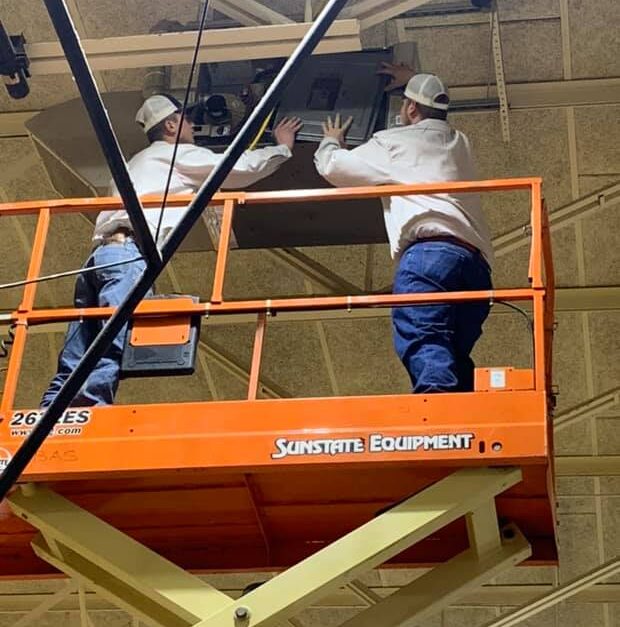
Trying to find Air Conditioning Install throughout Cameron?
Climate Control A/C & Heating works on cooling, heating and the air indoors in the local area.
Reach us at 512-446-4020 and tell us what you are noticing.
Heat and Humidity: Why Equipment Works Hard Here
The cooling season in Cameron starts early and finishes late; a cooling system here logs far more running hours than one in a mild climate.
Damp air changes how a house feels at any given temperature, and the coil is where the moisture condenses and drains away.
Proper equipment size, good airflow and clean surfaces separate a comfortable house from a clammy one, regardless of which brand is on the cabinet.
Moving Heat Outdoors – Heat Moves, Cold Is Not Made
Air conditioning is the business of relocating heat; warmth is absorbed in one coil and released in another.
Inside the house, the evaporator coil does the absorbing; outdoors, a fan pulls air across the condenser coil to shed the load.
Wear tends to show up in the electrical components before the big mechanical ones, which is why a quick diagnosis matters before anyone talks about replacement.
When the House Stops Cooling – Sorting Symptoms From Causes
AC repair that works starts with measurements, because guessing wastes time and parts, and a house that is warm may have an electrical fault, an airflow problem or a refrigerant problem.
Electrical faults are common, with capacitors and contactors leading the list of small failures, and they usually repair cleanly because the parts are small.
Ice on the lines almost always means too little air or too little refrigerant; shutting the cooling off is the safest response until someone inspects it.
Refrigerant is not a consumable that needs topping off every season; a responsible repair locates the leak instead of simply adding more.
Clogged condensate drains are a quiet cause of water stains and shutdowns, and a flush of the line during regular service often prevents the problem.
Clues Your System Is Struggling: Small Changes, Big Hints
Cooling equipment usually gives notice before it fails outright; the list below covers what owners tend to notice:
- Some rooms that never cool down while the system runs nonstop.
- A buzzing or clicking sound at startup, often getting louder from one week to the next.
- A system that turns on and off in short cycles, leaving the indoor air damp.
- Condensation where there should be none, particularly after long runs.
Tune-Ups for Cooling Gear: What a Maintenance Visit Covers
Routine AC maintenance heads off the kind of failure that arrives on a hot afternoon; the technician cleans what gets dirty and measures what can drift.
A clogged filter chokes the blower and starves the coil of air; the label on the filter and the look of its surface are a reliable guide.
Dirt on the condenser makes the compressor run hotter, so that coil gets cleaned too, and reading the numbers shows whether anything is drifting out of range.
Aging Equipment: Weighing the Options Honestly
Air conditioning equipment reaches a point where a new system makes more sense than another fix; the decision belongs to the owner, who deserves the facts.
The refrigerant a system uses is worth asking about when a repair involves the sealed loop, and that can tip a close decision toward replacement.
Newer cooling equipment is generally more efficient than older models, which matters most where the system runs for months.
Choosing Capacity: Details That Shape Comfort
AC install work succeeds or fails on sizing and airflow before any equipment is delivered, and the standard method for homes is a room-by-room heat gain calculation.
Oversizing is a common mistake, and it wears out parts through constant starting, and a unit that is too small runs constantly without catching up.
The outdoor pad, the line set, the electrical disconnect and the drain all need planning, and the installer verifies airflow and charge before leaving the job.
Duct System Basics: the Lungs of the House
Duct work moves the air that the equipment has cooled or heated, so its design shapes every room; undersized trunks, kinked runs and open seams all choke the flow.
Runs through an unconditioned attic or crawl space gain heat or lose chill unless sealed and wrapped, and a technician can often find the leaks with a pressure test.
Dust, Debris and Ductwork: Worth Doing at the Right Time
Duct cleaning removes dust and debris from the supply and return runs, the registers and the blower compartment, and it makes the most sense after a renovation, a pest problem or visible contamination.
Cleaning pays off only when the source of the dirt is also addressed; ask to see before-and-after photos of the work.
Cooling and Heating in One: Strengths and Limits
The reversing valve is what lets heat pumps switch between cooling and heating, and one system handles both seasons with a single set of equipment.
On extremely cold days the heat pump leans on supplemental heat to keep up; steam from the outdoor unit during defrost is normal.
Fuel-Fired Warmth – the Machinery in the Closet
Gas furnaces rely on an igniter, a flame sensor and a gas valve working in sequence; a cracked heat exchanger is a safety issue that calls for a prompt professional look.
A technician checks venting, gas pressure and the heat exchanger during a furnace tune-up, and the furnace check is well timed before the first cold front arrives.
Electric Furnaces and Air Handlers: Simple Equipment, Steady Output
Elements in an electric air handler turn current directly into heat, and the equipment is simple, with few moving parts.
Electricity makes heat at a steady rate, but resistance heat uses more power than a heat pump does for the same warmth, and a technician can explain how each option behaves in a mild climate.
Winter Preparation – Reliable Heat on Demand
Heating season in this part of Texas is brief, with sudden swings between warm days and freezing nights; problems found early can be repaired before a cold front arrives.
Furnaces, heat pumps and electric air handlers all heat homes, and each has its own checkup list, and the safety controls get tested along with the comfort ones.
Boiler Systems: Found in Older and Larger Buildings
A boiler warms water in a closed loop, and pumps circulate it to the rooms, and the parts, from circulators to expansion tanks, differ from forced-air equipment.
Pressure, temperature and flame quality are the numbers that matter in a boiler check; water damage can grow quickly.
What You Breathe at Home – the Part You Cannot See
Residential air quality is shaped by dust, pet dander, cooking fumes, cleaning products and moisture, and in Texas, cedar pollen and spring dust can find their way inside.
Residential air quality improves when the filter fits the system and gets changed on schedule; humidity control prevents the conditions mold needs.
Larger buildings circulate air through central equipment, so one fault can reach every room; scheduled filter changes and coil cleaning keep these systems honest.
Cleaning the Air Itself: What the Labels Mean
Air purifiers range from a stand-alone machine in one room to a unit tied into the ductwork, and the right choice depends on what needs removing.
Equipment that cleans the air cannot make up for a dirty coil or a leaky return, and sizing matters here as much as anywhere.
Light and Mist Treatments: Understanding the Options
A UV lamp does not clean the air passing by, but it treats the surfaces it can see, and a technician can explain which kind fits a given air handler.
Fogging a space with antimicrobial mist is a surface treatment, not a cure for a moisture problem, and ventilation and occupant safety are part of the process.
Ventilating – Controlled and Filtered
Bath fans, kitchen hoods and outdoor air intakes are all part of ventilating a modern building, and dampers, filters and controls keep the supply of fresh air in balance.
Ductwork that dumps moisture into an attic can create damage far from the source, and a technician who looks at the surroundings sees more than the unit alone.
Keeping a Workplace Comfortable: From Rooftop Units to Split Systems
Shops, restaurants, offices and churches often rely on rooftop equipment that serves a zone of the building, and when it fails the business feels it quickly.
Commercial equipment is built to run long hours, and it still depends on clean coils and clear drains; planning a changeout around business hours limits disruption.
Chillers: Parts and Service Needs
Chiller systems cool water, and pumps carry the chilled water through pipes to air handlers throughout a building, and the plant includes a chiller, pumps, a cooling tower or air-cooled condenser, and controls.
Keeping Food and Product Cold – Equipment With Little Room for Error
A refrigeration problem is often found in the condenser, the defrost control or a worn door gasket, and temperature drift is the warning sign to act on.
How Climate Control A/C & Heating Approaches Air Conditioning Install throughout Cameron
Before touching a tool, the technician hears the history of the problem from the person who lives with it, and then the system gets inspected with gauges, meters and a careful eye.
Recommendations come with explanations, so choices rest on information rather than pressure; nothing starts without a clear understanding.
Questions About Your System Are Welcome
Dial 512-446-4020 to schedule service or ask what makes sense for your building.
A Last Word – Keep Things Simple
Interest in Air Conditioning Install often starts with a problem, and the solution starts with a clear diagnosis, with Climate Control A/C & Heating at 512-446-4020 to start the conversation.