
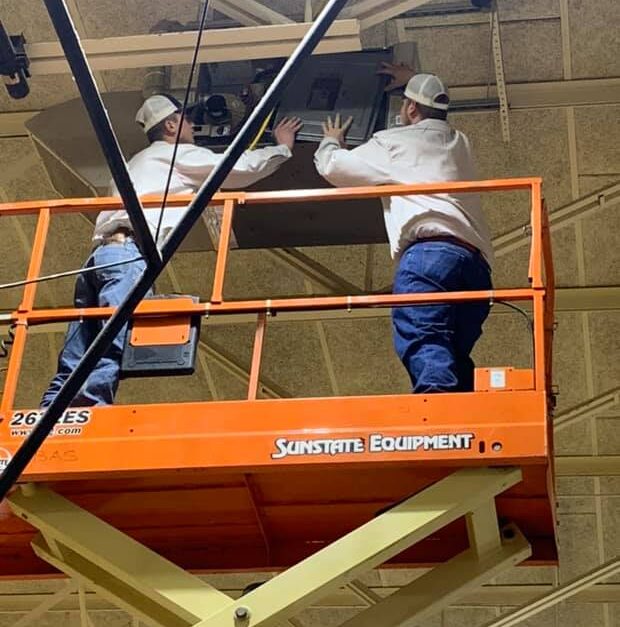
In need of Air Conditioning Repair throughout Corinth?
Climate Control A/C & Heating services cooling, heating and the air indoors around the community.
Call 512-446-4020 and tell us what you are noticing.
A Hot, Wet Climate: Local Conditions Come First
The cooling season in Corinth starts early and finishes late; the machine on the pad outside is among the busiest appliances a household owns.
Moisture in the air matters as much as the thermometer reading, and the coil is where the moisture condenses and drains away.
Right size, steady airflow and a clean coil explain much of how a house feels, regardless of which brand is on the cabinet.
Anatomy of a Cooling System – Heat Moves, Cold Is Not Made
Nothing in a cooling system generates cold air from scratch; a sealed loop of refrigerant absorbs heat at one point and releases it at another.
Inside the house, the evaporator coil does the absorbing, and the condensing unit in the yard completes the loop by getting rid of the heat.
Parts that wear out fastest are usually the small electrical ones, and the larger parts usually go on to last much longer.
Cooling Troubles: Where the Fault Usually Hides
AC repair that works starts with measurements, because guessing wastes time and parts, and each of those causes needs a different fix.
When the outdoor fan hums but will not spin, a capacitor is often the reason, and each can be tested with a meter in a few minutes.
Ice on the lines almost always means too little air or too little refrigerant, and running the system while it is frozen can damage the compressor.
A properly working system keeps its charge for good, since nothing burns it off, and adding more without finding the leak only delays the same problem.
Algae and debris plug the drain, and many systems have a float switch that stops the cooling, though a stopped system after heavy use is a good moment to check it.
Clues Your System Is Struggling: Trust Your Senses
Cooling equipment usually gives notice before it fails outright; these are the signs a homeowner can see, hear or feel without any tools:
- Uneven temperatures from room to room even with the thermostat set low.
- Loud banging when the compressor starts, sometimes only on the hottest afternoons.
- A system that turns on and off in short cycles; parts wear faster.
- Damp spots on the ceiling below the indoor cabinet, which deserves a look before damage spreads.
Preventive Service – the Work Behind Reliable Comfort
AC maintenance is a set of simple, repeatable tasks that keep a cooling system efficient, with attention paid to coils, drains, belts and wiring.
Changing the filter on schedule protects the coil, the blower and the ductwork; the label on the filter and the look of its surface are a reliable guide.
Coils, drain pans and drain lines all get attention during a complete tune-up; the report reflects measurements rather than guesses.
Time for a Change – a Decision Worth Making Carefully
An old unit that needs repair after repair may be a candidate for AC replacement, and a good evaluation lays out repair and replacement side by side.
Refrigerant types have changed over time, so older systems may use one that is hard to find, and newer equipment is built for current refrigerants.
Efficiency has improved steadily, and a modern system can use noticeably less electricity, and in a long cooling season those savings add up.
Sizing and Setup: Where Good Results Begin
Proper AC install planning measures the house, the windows, the insulation and the sun exposure, and the standard method for homes is a room-by-room heat gain calculation.
Equipment that is too big runs in bursts, which hurts comfort and efficiency alike; the right size runs long, steady cycles that dry the air.
The outdoor pad, the line set, the electrical disconnect and the drain all need planning, and a startup check confirms the charge, the airflow and the temperature drop.
Ducts – What Hides Above the Ceiling
In many houses, the ducts decide whether a new system performs as promised, and leaks, bad bends and poor insulation waste a large share of the effort.
Attic duct work in Texas sees extreme heat, so insulation and tight seams earn their keep, which can improve comfort without touching the equipment.
Clearing Out the Channels – Reasons and Limits
Duct cleaning is a mechanical job that brushes loose and vacuums out what has collected; cleaning is not a substitute for fixing leaks or changing filters.
Cleaning pays off only when the source of the dirt is also addressed, and a plain look inside the duct tells the real story.
Reversible Systems – Why They Suit the Region
Heat pumps move heat in both directions, cooling in summer and heating in winter; one outdoor unit does the work of two.
On extremely cold days the heat pump leans on supplemental heat to keep up; watch for unusually high bills as a hint.
Fuel-Fired Warmth: Reliable Heat for Cold Fronts
Inside a gas furnace, a burner lights, a heat exchanger warms up and the blower pushes air across it, and the sequence is why furnaces need testing before cold weather.
Safe furnace operation depends on clear venting and working carbon monoxide alarms, and homeowners should keep the area around the furnace clear of clutter.
Electric Heating Systems: How the Elements Work
Electric heating systems have no burner, no flue and no combustion byproducts; troubleshooting centers on power, controls and the blower motor.
Resistance heat converts every unit of power to heat, while a heat pump moves several units for each one consumed; the choice depends on what fuel is available at the property.
Warmth When the Front Arrives: Short Winters Still Bite
Winters in Texas are short, but cold fronts can drop temperatures sharply in a matter of hours, which is why heating services are well scheduled in fall.
Heating services cover igniters and burners on gas units, reversing valves on heat pumps and elements on electric ones, and a technician adjusts the visit to the equipment on site.
Hydronic Warmth – Radiators, Coils and Radiant Floors
Boiler systems appear in older buildings, larger properties and some commercial spaces, and they are less common in Texas than furnaces and heat pumps.
Air in the lines, a stuck valve or a weak pump are common reasons a boiler heats unevenly, and annual attention keeps these systems running quietly.
What You Breathe at Home – Sources, Symptoms and Solutions
The air in a house mixes outdoor pollen, indoor dust and chemicals from everyday products; allergy seasons put extra load on filters and ducts.
Filter grade matters, but a very dense filter in the wrong system can choke the airflow; a deeper media cabinet gives better filtering with less restriction.
Commercial air quality depends on ventilation rates, filtration and the upkeep of rooftop equipment, and a maintenance plan fits the building's size and hours.
Cleaning the Air Itself: Matching the Tool to the Problem
Purifiers vary widely, from simple filters to units combining filtration, carbon and other methods; any claims about performance should be checked against the specification.
Equipment that cleans the air cannot make up for a dirty coil or a leaky return; a technician looks at the system before recommending a device.
Light and Mist Treatments – Reasonable Expectations
Lamps inside the cabinet work on the coil and pan, and they need replacing on a schedule; ask what the lamp targets and how often it needs service.
Fogging a space with antimicrobial mist is a surface treatment, not a cure for a moisture problem, and it works best where the source of moisture has been dealt with.
Ventilating: Why Tight Buildings Need It
Ventilating also removes moisture from kitchens and baths before it settles into the structure; an energy recovery ventilator can trade heat and moisture between the two airstreams.
Exhaust fans that move air out of kitchens and baths should vent outdoors, not into the attic, and a technician who looks at the surroundings sees more than the unit alone.
Commercial Cooling – Equipment Built for Heavier Duty
Commercial air conditioning system designs range from rooftop packages to split systems and multi-zone setups; a break in cooling can mean lost customers or a workday cut short.
Rooftop units sit in the sun and wind, so the cabinets, the coils and the curbs take a beating; a clear plan helps the business stay open.
Chilled Water Cooling: How They Differ From Packaged Units
Chiller systems are used in large offices, schools, hospitals and industrial plants, and the plant includes a chiller, pumps, a cooling tower or air-cooled condenser, and controls.
Keeping Food and Product Cold – Equipment With Little Room for Error
A refrigeration problem is often found in the condenser, the defrost control or a worn door gasket, and temperature drift is the warning sign to act on.
How Climate Control A/C & Heating Approaches Air Conditioning Repair throughout Corinth
Before touching a tool, the technician hears the history of the problem from the person who lives with it; the owner understands the situation before any decision.
The owner hears what needs to happen now, what can wait and what is optional; good service depends on trust running both ways.
Ready When You Are
Phone 512-446-4020 to book a technician or get a straight answer.
Putting It Together: Small Habits, Big Difference
Equipment, ducts and air quality are connected, so a question about Air Conditioning Repair is rarely a stand-alone one; Climate Control A/C & Heating can walk through the choices with you.