
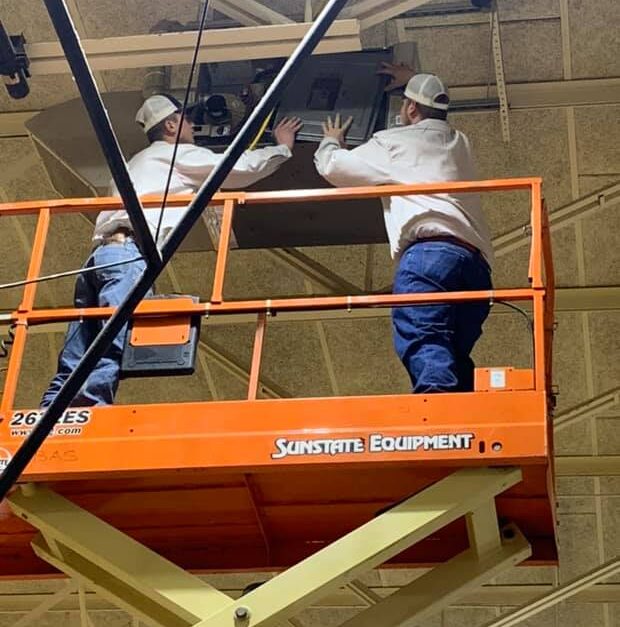
Trying to find Air Conditioning Repair in Gause?
Climate Control A/C & Heating services comfort equipment of every kind in the local area.
Call 512-446-4020 and ask a real question.
The Cooling Season: the Climate Behind the Equipment
A Gause summer stacks hot afternoon after hot afternoon, and a home air conditioner may run most of the day through the worst of it.
Moisture in the air matters as much as the thermometer reading, and removing it takes steady run time rather than quick bursts.
Right size, steady airflow and a clean coil explain much of how a house feels, regardless of which brand is on the cabinet.
Anatomy of a Cooling System: a Plain Explanation
Air conditioning is the business of relocating heat; it collects heat inside the house and dumps it into the outdoor air.
The air handler holds the indoor coil and the blower that pushes air across it, with the compressor outside squeezing the refrigerant so the heat can leave.
Fan motors and start components do a great deal of work for their size; the compressor itself can last a long time when it is kept clean and properly charged.
Service Calls in Hot Weather: Repair Starts With Diagnosis
A proper air conditioning repair sorts the symptom from the cause before anything is replaced; the same warm room can come from a dead capacitor, a frozen coil or a leak.
A tripped breaker, a failed capacitor or a worn contactor keeps the outdoor unit from starting, though a part that failed once can point to heat or a loose connection that needs attention.
Ice building up near the air handler tells a technician where to look; switching the system off and letting it thaw protects the equipment until it can be checked.
Low refrigerant means a leak, because the charge stays put when the loop is tight, which is why measuring pressures and temperatures matters more than adding gas.
Water around the air handler often means the condensate line has clogged with slime; moisture removed from muggy air adds up to gallons a day.
Warning Signs – Before a Breakdown
Most breakdowns announce themselves with small changes in behavior; these are the signs a homeowner can see, hear or feel without any tools:
- One end of the house that feels warmer though the unit sounds normal.
- A burning smell from the vents, particularly at the start of a cycle.
- Constant starting and stopping through the afternoon, even though the thermostat is satisfied.
- Musty smells when the blower starts, which deserves a look before damage spreads.
Keeping Equipment Healthy – Small Tasks, Long Equipment Life
AC maintenance is a set of simple, repeatable tasks that keep a cooling system efficient, with attention paid to coils, drains, belts and wiring.
A clogged filter chokes the blower and starves the coil of air, and how often it needs changing depends on the filter type, pets and the season.
Coils, drain pans and drain lines all get attention during a complete tune-up; the report reflects measurements rather than guesses.
Time for a Change: How Owners Decide
AC replacement becomes a real question when a system is old, repeatedly broken or hard to keep comfortable; the right answer differs from one house to the next.
Refrigerant types have changed over time, so older systems may use one that is hard to find; matching parts and refrigerant correctly keeps the whole loop reliable.
Efficiency has improved steadily, and a modern system can use noticeably less electricity, and comfort improves along with the numbers.
Sizing and Setup – Bigger Is Not Better
Proper AC install planning measures the house, the windows, the insulation and the sun exposure, and the standard method for homes is a room-by-room heat gain calculation.
Equipment that is too big runs in bursts, which hurts comfort and efficiency alike; the right size runs long, steady cycles that dry the air.
The indoor and outdoor parts have to match each other and the ductwork, and a startup check confirms the charge, the airflow and the temperature drop.
Duct System Basics: Sizing, Sealing and Insulation
The duct system is as much a part of comfort as the unit that feeds it, which is why the airflow measurement is part of a proper diagnosis.
Runs through an unconditioned attic or crawl space gain heat or lose chill unless sealed and wrapped, which can improve comfort without touching the equipment.
When Ducts Need Attention: What It Can and Cannot Do
Duct cleaning removes dust and debris from the supply and return runs, the registers and the blower compartment; a house with no such history may not need it often.
Dirt returns quickly if the filter is poor or the returns leak unfiltered air, and claims about health benefits should be treated skeptically.
Reversible Systems: a Natural Fit for Mild Winters
The reversing valve is what lets heat pumps switch between cooling and heating; in Texas, cold snaps are short, so a heat pump covers most of the heating season.
A heat pump may call on backup heat during a hard freeze or while defrosting its coil, and a technician can check whether the strips are running more than they should.
Fuel-Fired Warmth – Parts, Safety and Service
A furnace heats air by passing it over a hot metal exchanger while exhaust gases leave through a flue, and a dirty flame sensor is a frequent reason for a furnace that lights and then shuts off.
Carbon monoxide detectors belong in any home with fuel-burning equipment, and the furnace check is well timed before the first cold front arrives.
Electric Furnaces and Air Handlers: Simple Equipment, Steady Output
An electric furnace passes air over banks of resistance elements that glow when energized, which keeps the mechanical side straightforward.
Compared with a heat pump, strips and electric furnaces draw heavily for the heat they make, and a technician can explain how each option behaves in a mild climate.
Warmth When the Front Arrives – Test Before You Need It
Heating season in this part of Texas is brief, with sudden swings between warm days and freezing nights, which is why heating services are well scheduled in fall.
From gas furnaces to heat pumps, each heating system needs different attention before winter, which keeps the work simple to explain and easy to follow.
Hydronic Warmth: Found in Older and Larger Buildings
A boiler warms water in a closed loop, and pumps circulate it to the rooms; the region mostly uses forced air, so boilers are the exception.
A boiler tune-up checks combustion, water level, pressure and the controls that keep it safe; water damage can grow quickly.
Cleaner Air Indoors: Beyond Temperature and Humidity
Residential air quality is shaped by dust, pet dander, cooking fumes, cleaning products and moisture; the equipment that moves air is also the equipment that carries the contaminants.
A better filter helps only if the blower can pull air through it without strain, and a technician can recommend what the equipment can handle.
Offices, shops and restaurants need steady fresh air so that crowds do not make the space stuffy, which is why commercial properties usually benefit from regular service visits.
Cleaning the Air Itself – Whole-Home or Single Room
Purifiers vary widely, from simple filters to units combining filtration, carbon and other methods; a device that makes bold promises deserves a second look.
Buying a purifier without fixing a moisture problem treats a symptom and misses the cause, and a conversation about the whole house usually comes first.
Keeping Coils Clean Between Visits – Tools for a Damp Climate
Ultraviolet lamps near the coil are meant to keep it cleaner by discouraging growth on damp surfaces; the lamp supplements regular cleaning rather than replacing it.
An antimicrobial mist is sprayed or fogged onto surfaces inside the system or the building, and it works best where the source of moisture has been dealt with.
Letting a Building Breathe: Why Tight Buildings Need It
Modern buildings are tight, so ventilating on purpose keeps carbon dioxide and odors from building up; an energy recovery ventilator can trade heat and moisture between the two airstreams.
Good attic airflow lowers the heat that leaks down into the living space; the equipment, the envelope and the airflow work as a team.
Keeping a Workplace Comfortable: Comfort That Supports the Work
A commercial AC system is sized for heat from people, lighting and machines as well as sunshine, which is why many businesses plan service around their schedule.
Rooftop units sit in the sun and wind, so the cabinets, the coils and the curbs take a beating, and larger properties may phase work across several units.
Cooling at Scale: Parts and Service Needs
A chiller is a large refrigeration machine that chills water for use in many spaces, and they need specialized service knowledge.
Cold Storage Equipment – Why Failures Matter Fast
A refrigeration problem is often found in the condenser, the defrost control or a worn door gasket, and temperature drift is the warning sign to act on.
How Climate Control A/C & Heating Goes About Air Conditioning Repair near Gause
Before touching a tool, the technician hears the history of the problem from the person who lives with it, followed by an explanation of what was found and what the choices are.
Recommendations come with explanations, so choices rest on information rather than pressure, and questions are welcome at every stage.
Comfort Is a Phone Call Away
Phone 512-446-4020 to describe what is going on and find the next step.
A Last Word – Equipment, Airflow and Air Quality
Whether the need falls under Air Conditioning Repair or elsewhere in the heating, cooling and air quality family, the same principles apply, and Climate Control A/C & Heating is ready to help with it.