
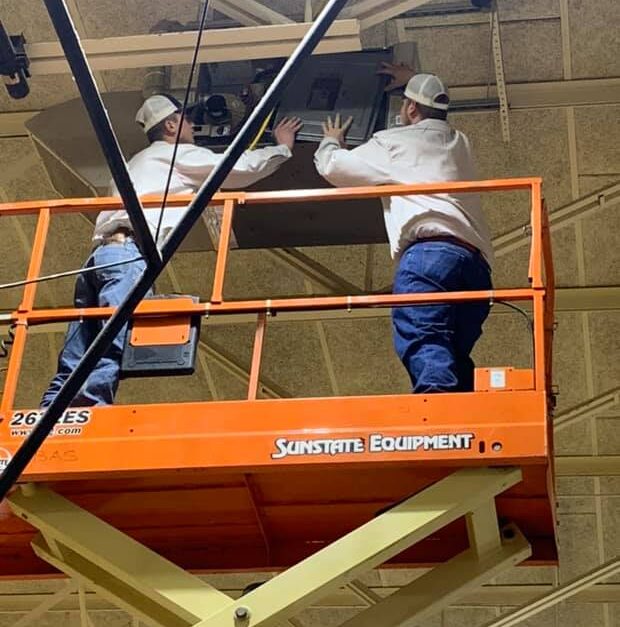
Trying to find Commercial AC System in Gause?
Climate Control A/C & Heating supports climate equipment for homes and businesses close to home.
Call 512-446-4020 and ask a real question.
The Cooling Season: Why Equipment Works Hard Here
The cooling season in Gause starts early and finishes late, which means a cooling unit seldom rests between spring and fall.
Moisture in the air matters as much as the thermometer reading; an air conditioner pulls it out as a side effect of cooling, but only while it is actually running.
Matching capacity to the house, moving enough air and keeping the coil clean all shape the result, regardless of which brand is on the cabinet.
How Air Conditioning Works: a Plain Explanation
Nothing in a cooling system generates cold air from scratch; refrigerant picks up warmth from indoor air and carries it outside.
The indoor coil is where the cooling happens, and the condensing unit in the yard completes the loop by getting rid of the heat.
Fan motors and start components do a great deal of work for their size; a failed capacitor is often a small repair rather than the end of the system.
Service Calls in Hot Weather – Sorting Symptoms From Causes
AC repair that works starts with measurements, because guessing wastes time and parts, and each of those causes needs a different fix.
A unit that clicks and does nothing may be waiting on a bad contactor or a dead control board, though a part that failed once can point to heat or a loose connection that needs attention.
Ice on the lines almost always means too little air or too little refrigerant, and running the system while it is frozen can damage the compressor.
Refrigerant is not a consumable that needs topping off every season; a responsible repair locates the leak instead of simply adding more.
Water around the air handler often means the condensate line has clogged with slime, and the fix is usually quick once the blockage is found.
Trouble You Can See and Hear – What Owners Notice First
Most breakdowns announce themselves with small changes in behavior, and the following signs are worth acting on:
- Rooms that stay warm while the system runs nonstop.
- A burning smell from the vents, sometimes only on the hottest afternoons.
- Repeated short runs that never finish a cooling cycle, leaving the indoor air damp.
- Water around the air handler, especially in humid weather.
Keeping Equipment Healthy – Small Tasks, Long Equipment Life
Routine AC maintenance heads off the kind of failure that arrives on a hot afternoon, and the work centers on airflow, cleanliness and electrical health.
Changing the filter on schedule protects the coil, the blower and the ductwork; homes with pets, dust or a constant run schedule need fresh filters more often.
Heat flows through each of the coils, and each one loses capacity when it collects dirt; tightening electrical connections is a standard part of the job.
Time for a Change: Questions to Ask First
AC replacement becomes a real question when a system is old, repeatedly broken or hard to keep comfortable, and an honest technician explains both paths.
Some older units run on refrigerant that is now scarce, which affects repair decisions, and newer equipment is built for current refrigerants.
Today's units move the same heat with less power than equipment from a generation ago; replacement can pay back in comfort as well as in energy use.
Choosing Capacity: Where Good Results Begin
An air conditioning install starts with a load calculation, not a rule of thumb, and two houses of the same size can need very different equipment.
Oversizing is a common mistake, and it wears out parts through constant starting, and a proper calculation avoids both extremes.
Matched components perform to their design efficiency, while mismatched ones fall short; the owner then gets a walk-through of the thermostat and the filter.
Duct System Basics: Moving Air Efficiently
A duct system is the network of channels that carry conditioned air to every room and returns it for re-cooling, and leaks, bad bends and poor insulation waste a large share of the effort.
A long flexible run through a hot attic needs support, sealing and good insulation, and sealing with mastic rather than cloth tape holds up better in the heat.
Dust, Debris and Ductwork – Reasons and Limits
Duct cleaning is a mechanical job that brushes loose and vacuums out what has collected, and it makes the most sense after a renovation, a pest problem or visible contamination.
Cleaning pays off only when the source of the dirt is also addressed, and be cautious of anyone who promises that cleaning will cure every problem.
Reversible Systems – Efficient Most of the Year
Heat pumps move heat in both directions, cooling in summer and heating in winter; one outdoor unit does the work of two.
A heat pump may call on backup heat during a hard freeze or while defrosting its coil, and a system that runs strips constantly deserves a diagnostic visit.
Heating With Gas – Parts, Safety and Service
Gas furnaces burn natural gas or propane in a burner and pass the heat through a heat exchanger, and a fault in any one step can stop the whole cycle.
A technician checks venting, gas pressure and the heat exchanger during a furnace tune-up, and the furnace check is well timed before the first cold front arrives.
Electric Furnaces and Air Handlers: What to Expect From It
Elements in an electric air handler turn current directly into heat, and the main wear items are the elements, the sequencers and the blower.
The trade-off with electric heat is simple equipment against higher running use; the choice depends on what fuel is available at the property.
Heating Services: Planning for Sudden Cold
The heating season is short enough that equipment sits unused for months, then must work on the first cold night; running the heater briefly in fall shows whether it lights, blows warm air and shuts off properly.
Heating services cover igniters and burners on gas units, reversing valves on heat pumps and elements on electric ones, which keeps the work simple to explain and easy to follow.
Boiler Systems: How Hydronic Systems Differ
Hydronic heating moves heat with water instead of air, which makes for quiet, even warmth, but a building with a boiler needs service from someone who knows hydronics.
The relief valve and low-water cutoff protect a boiler, so they get tested during service; water damage can grow quickly.
The Air Inside Your Walls – Sources, Symptoms and Solutions
Good indoor air quality means controlling particles, humidity, fresh air and sources of contamination, and in Texas, cedar pollen and spring dust can find their way inside.
Filter grade matters, but a very dense filter in the wrong system can choke the airflow; a deeper media cabinet gives better filtering with less restriction.
Commercial air quality depends on ventilation rates, filtration and the upkeep of rooftop equipment; scheduled filter changes and coil cleaning keep these systems honest.
Air Purification Options – Useful, With Realistic Goals
Whole-home purifiers treat air as it passes through the system, while portable ones clean a single space, and the right choice depends on what needs removing.
Buying a purifier without fixing a moisture problem treats a symptom and misses the cause; a technician looks at the system before recommending a device.
UV Lights and Antimicrobial Mist – Reasonable Expectations
Ultraviolet lamps near the coil are meant to keep it cleaner by discouraging growth on damp surfaces; ask what the lamp targets and how often it needs service.
An antimicrobial mist is sprayed or fogged onto surfaces inside the system or the building; the underlying cause still has to be fixed.
Bringing Outdoor Air In: Why Tight Buildings Need It
Ventilating a building means replacing stale indoor air with fresh outdoor air in a controlled way; an energy recovery ventilator can trade heat and moisture between the two airstreams.
Good attic airflow lowers the heat that leaks down into the living space; the equipment, the envelope and the airflow work as a team.
Keeping a Workplace Comfortable: From Rooftop Units to Split Systems
Every commercial air conditioning system serves a space with different loads from a house, such as crowds, lighting and equipment, and filters, belts, coils and drains are the usual checklist items.
Condensate drains on rooftops clog with debris, and the water can stain ceilings below; a clear plan helps the business stay open.
Chiller Systems for Larger Buildings: Where They Make Sense
Instead of cooling air directly, chiller systems cool a water loop that serves coils across the property; air-cooled and water-cooled designs differ in how they reject heat.
Commercial Refrigeration – Equipment With Little Room for Error
Businesses that sell or store food depend on refrigeration service to hold safe temperatures; regular cleaning of condenser coils matters even more than in comfort cooling.
How Climate Control A/C & Heating Goes About Commercial AC System throughout Gause
A good service call begins with listening to what the owner has noticed, and then the system gets inspected with gauges, meters and a careful eye.
The owner hears what needs to happen now, what can wait and what is optional; good service depends on trust running both ways.
Comfort Is a Phone Call Away
Phone 512-446-4020 to book a technician or get a straight answer.
Closing Thoughts: Small Habits, Big Difference
From Commercial AC System to routine upkeep, good outcomes come from understanding the equipment and caring for it; Climate Control A/C & Heating can walk through the choices with you.