
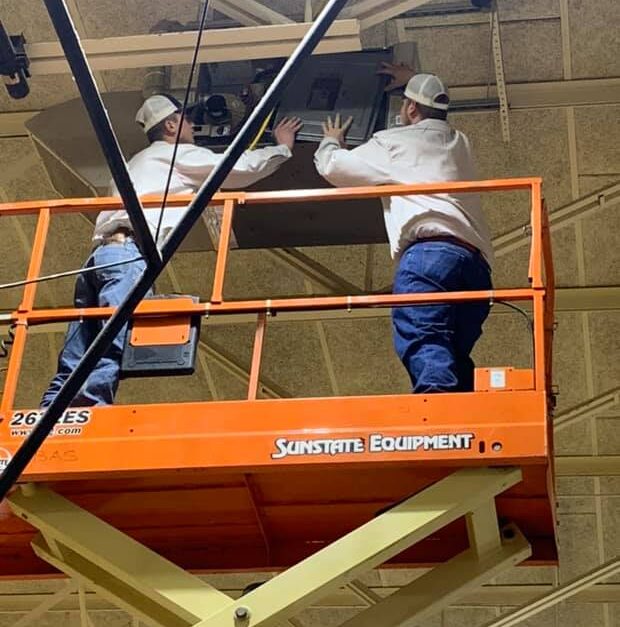
Shopping around for Commercial Air Quality around Gause?
Climate Control A/C & Heating takes on heating, cooling and indoor comfort around the community.
Phone 512-446-4020 and tell us what you are noticing.
A Hot, Wet Climate: the Climate Behind the Equipment
A Gause summer stacks hot afternoon after hot afternoon, which means a cooling unit seldom rests between spring and fall.
Sticky air can make a cool room feel uncomfortable, and removing it takes steady run time rather than quick bursts.
Right size, steady airflow and a clean coil explain much of how a house feels, whatever the label on the box promises.
How Air Conditioning Works: What Each Piece Does
An air conditioner does not create cold; warmth is absorbed in one coil and released in another.
Inside the house, the evaporator coil does the absorbing; the outdoor cabinet houses the compressor, the condenser coil and a fan.
Wear tends to show up in the electrical components before the big mechanical ones, and the larger parts usually go on to last much longer.
When the House Stops Cooling – Finding the Real Cause
A proper air conditioning repair sorts the symptom from the cause before anything is replaced; weak cooling is a symptom that many separate faults share.
Electrical faults are common, with capacitors and contactors leading the list of small failures, and these are among the quicker repairs when the technician has the part.
Ice on the lines almost always means too little air or too little refrigerant, and the cause may be as simple as a clogged filter or as involved as a leak.
A properly working system keeps its charge for good, since nothing burns it off; topping off a leaking system is a temporary patch that lets the problem return.
Algae and debris plug the drain, and many systems have a float switch that stops the cooling, and a flush of the line during regular service often prevents the problem.
Trouble You Can See and Hear – What Owners Notice First
A struggling cooling system leaves clues around the house; these are the signs a homeowner can see, hear or feel without any tools:
- One end of the house that feels warmer though the unit sounds normal.
- A burning smell from the vents, especially when the weather is hot.
- An outdoor unit that starts and stops every few minutes, even though the thermostat is satisfied.
- Musty smells when the blower starts, which deserves a look before damage spreads.
Routine Care – Small Tasks, Long Equipment Life
Air conditioning maintenance keeps dust, grime and wear from piling up unseen, and the visit usually combines cleaning, measuring and tightening.
Dirty filters are the single easiest thing for an owner to handle; homes with pets, dust or a constant run schedule need fresh filters more often.
Heat flows through each of the coils, and each one loses capacity when it collects dirt; tightening electrical connections is a standard part of the job.
Aging Equipment – Age, Condition and Efficiency
The conversation about replacement starts when age, condition and comfort all point the same way; the right answer differs from one house to the next.
Refrigerant types have changed over time, so older systems may use one that is hard to find, and that can tip a close decision toward replacement.
Today's units move the same heat with less power than equipment from a generation ago; the benefit grows in houses that rely on cooling much of the year.
Getting an Install Right: Details That Shape Comfort
AC install work succeeds or fails on sizing and airflow before any equipment is delivered, and the standard method for homes is a room-by-room heat gain calculation.
Equipment that is too big runs in bursts, which hurts comfort and efficiency alike; careful sizing protects comfort and the equipment.
A complete installation pairs the condenser, the coil and the air handler as one system, and local permit and inspection rules apply in most towns.
Ducts: Moving Air Efficiently
In many houses, the ducts decide whether a new system performs as promised; undersized trunks, kinked runs and open seams all choke the flow.
Attic duct work in Texas sees extreme heat, so insulation and tight seams earn their keep, and sealing with mastic rather than cloth tape holds up better in the heat.
When Ducts Need Attention – Reasons and Limits
Duct cleaning is a mechanical job that brushes loose and vacuums out what has collected, and the decision should rest on what is actually in the ducts.
Dirt returns quickly if the filter is poor or the returns leak unfiltered air, and a plain look inside the duct tells the real story.
Heat Pump Basics: a Natural Fit for Mild Winters
The reversing valve is what lets heat pumps switch between cooling and heating, and that makes them efficient in climates with mild winters.
A heat pump may call on backup heat during a hard freeze or while defrosting its coil, and a system that runs strips constantly deserves a diagnostic visit.
Fuel-Fired Warmth: How a Furnace Heats a House
A furnace heats air by passing it over a hot metal exchanger while exhaust gases leave through a flue, and a fault in any one step can stop the whole cycle.
Carbon monoxide detectors belong in any home with fuel-burning equipment, and a detector near the sleeping areas gives early warning.
Resistance and Strip Heat: How the Elements Work
Electric heat uses sequenced elements, relays and limit switches to warm the house, and the main wear items are the elements, the sequencers and the blower.
The trade-off with electric heat is simple equipment against higher running use; the choice depends on what fuel is available at the property.
Heating Services – Test Before You Need It
Winters in Texas are short, but cold fronts can drop temperatures sharply in a matter of hours, and a test on a mild day beats a surprise on a freezing one.
Furnaces, heat pumps and electric air handlers all heat homes, and each has its own checkup list; the common thread is clean air passages and a blower that moves enough air.
Hot-Water Heating – Quiet, Even Heat
Boiler systems heat water or make steam and send it through pipes to radiators, baseboards or in-floor loops; the region mostly uses forced air, so boilers are the exception.
Air in the lines, a stuck valve or a weak pump are common reasons a boiler heats unevenly; neglected boilers corrode inside, so water quality and venting matter.
Indoor Air Quality: Beyond Temperature and Humidity
Indoor air quality describes what is floating in the air inside a building, from dust and pollen to odors and humidity; the equipment that moves air is also the equipment that carries the contaminants.
MERV numbers describe how fine a filter catches, and the right one balances capture with airflow; a deeper media cabinet gives better filtering with less restriction.
Larger buildings circulate air through central equipment, so one fault can reach every room, which is why commercial properties usually benefit from regular service visits.
Filters, Purifiers and Their Limits – Useful, With Realistic Goals
Some purifiers capture particles with high-efficiency filters, and others target odors with carbon; a device that makes bold promises deserves a second look.
Purifiers help most when the air handler is clean, the ducts are sealed and humidity is under control, which is why one device rarely fits every home.
Managing Growth Inside the System – Tools for a Damp Climate
A UV lamp does not clean the air passing by, but it treats the surfaces it can see; ask what the lamp targets and how often it needs service.
An antimicrobial mist is sprayed or fogged onto surfaces inside the system or the building; the product and method should be explained in advance.
Bringing Outdoor Air In – Not Too Much, Not Too Little
Modern buildings are tight, so ventilating on purpose keeps carbon dioxide and odors from building up; an energy recovery ventilator can trade heat and moisture between the two airstreams.
Ductwork that dumps moisture into an attic can create damage far from the source; the equipment, the envelope and the airflow work as a team.
Keeping a Workplace Comfortable: From Rooftop Units to Split Systems
Every commercial air conditioning system serves a space with different loads from a house, such as crowds, lighting and equipment, which is why many businesses plan service around their schedule.
Control settings, schedules and thermostats on commercial systems deserve a look when comfort complaints begin; a clear plan helps the business stay open.
Central Plant Equipment – Water Carries the Cold
A building with chilled water pulls its cooling from a central plant rather than separate rooftop units; the equipment is larger, more complex and more closely monitored.
Refrigeration Service: Temperature Is the Whole Job
Walk-in coolers rely on evaporators, condensing units, defrost systems and door seals working together; frost buildup, warm product and constant running all point to trouble.
How Climate Control A/C & Heating Works Through Commercial Air Quality across Gause
Conversation comes first, because the owner knows the symptoms better than anyone, and then the system gets inspected with gauges, meters and a careful eye.
Recommendations come with explanations, so choices rest on information rather than pressure; nothing starts without a clear understanding.
Ready When You Are
Dial 512-446-4020 to describe what is going on and find the next step.
What to Remember: Attention Now Saves Trouble Later
Searching for Commercial Air Quality in Gause usually leads to the same few questions about size, age, airflow and care, with Climate Control A/C & Heating at 512-446-4020 to start the conversation.