
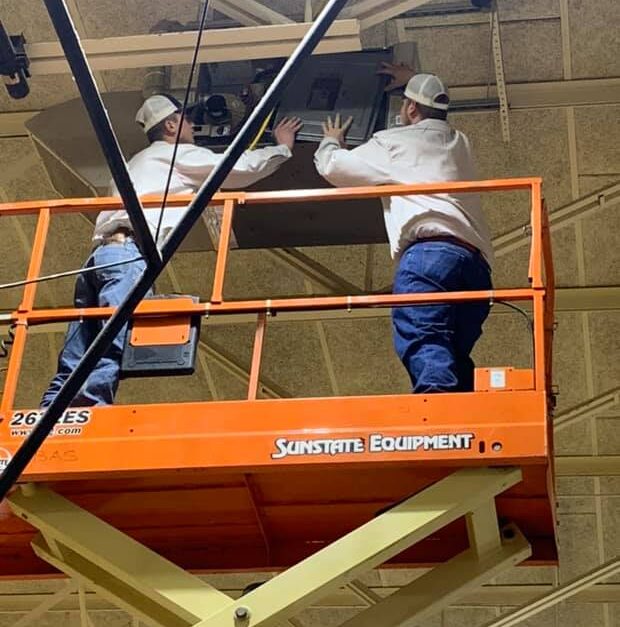
In need of AC Replacement in Marak?
Climate Control A/C & Heating works on the equipment that keeps buildings comfortable close to home.
Contact us at 512-446-4020 to describe what your equipment is doing.
Summer Load: Why Equipment Works Hard Here
Warm weather in Marak stretches across much of the calendar, and the equipment that carries the load is working harder than its owner tends to notice.
Humidity is half of the comfort problem, not an afterthought; an air conditioner pulls it out as a side effect of cooling, but only while it is actually running.
Proper equipment size, good airflow and clean surfaces separate a comfortable house from a clammy one, and each one is something a technician can check on site.
Anatomy of a Cooling System: a Plain Explanation
A central air conditioner is a heat mover, not a cold maker; refrigerant picks up warmth from indoor air and carries it outside.
Warm indoor air passes over a cold coil in the air handler or furnace cabinet, and the outdoor unit holds the compressor and condenser coil that push that heat away.
The contactor, the capacitor and the motors take a beating in hot weather, and that is good news, because they are far simpler to fix than a compressor.
When the House Stops Cooling – Finding the Real Cause
A thorough air conditioning repair starts with a diagnosis rather than a hunch; weak cooling is a symptom that many separate faults share.
Electrical faults are common, with capacitors and contactors leading the list of small failures, and each can be tested with a meter in a few minutes.
A coil that ices over points toward airflow or refrigerant; switching the system off and letting it thaw protects the equipment until it can be checked.
Low refrigerant means a leak, because the charge stays put when the loop is tight; topping off a leaking system is a temporary patch that lets the problem return.
Water around the air handler often means the condensate line has clogged with slime, and clearing the line is routine maintenance work.
Trouble You Can See and Hear: Trust Your Senses
A struggling cooling system leaves clues around the house, and every item below is a reason to schedule a visit:
- Some rooms that never cool down even though the blower sounds normal.
- A buzzing or clicking sound at startup, especially when the weather is hot.
- A system that turns on and off in short cycles; parts wear faster.
- Pooling water under the furnace or air handler, which deserves a look before damage spreads.
Routine Care – the Work Behind Reliable Comfort
Regular AC maintenance trims the chance of a breakdown during the hottest week, with attention paid to coils, drains, belts and wiring.
The air filter is the part most under the homeowner's own control, and a quick check each month is a good habit through the summer.
The visit usually includes the condenser coil, the evaporator coil and a flush of the drain line; tightening electrical connections is a standard part of the job.
Deciding on a New System: Weighing the Options Honestly
Air conditioning equipment reaches a point where a new system makes more sense than another fix; the decision belongs to the owner, who deserves the facts.
Some older units run on refrigerant that is now scarce, which affects repair decisions; current equipment follows the refrigerant rules in force today.
Newer cooling equipment is generally more efficient than older models, which matters most where the system runs for months.
Sizing and Setup – a Calculation, Not a Guess
Choosing equipment for an AC install means working out how much heat the structure gains, and two houses of the same size can need very different equipment.
A unit that is too large satisfies the thermostat fast and leaves the humidity behind; the right size runs long, steady cycles that dry the air.
The indoor and outdoor parts have to match each other and the ductwork, and local permit and inspection rules apply in most towns.
Air Distribution: Moving Air Efficiently
In many houses, the ducts decide whether a new system performs as promised; a house with comfort problems deserves a look at its air paths.
A long flexible run through a hot attic needs support, sealing and good insulation; the usual fix is sealing the seams, supporting the runs and adding insulation.
Clearing Out the Channels: What It Can and Cannot Do
A duct cleaning visit reaches the trunk lines, the branches and the grilles; cleaning is not a substitute for fixing leaks or changing filters.
Dirt returns quickly if the filter is poor or the returns leak unfiltered air, and claims about health benefits should be treated skeptically.
Cooling and Heating in One: How the Technology Works
The reversing valve is what lets heat pumps switch between cooling and heating, and that makes them efficient in climates with mild winters.
When outdoor temperatures fall far enough, electric strips or a furnace add the missing warmth, and a system that runs strips constantly deserves a diagnostic visit.
Furnace Basics – the Machinery in the Closet
Gas furnaces burn natural gas or propane in a burner and pass the heat through a heat exchanger; a cracked heat exchanger is a safety issue that calls for a prompt professional look.
Carbon monoxide detectors belong in any home with fuel-burning equipment, and the furnace check is well timed before the first cold front arrives.
Resistance and Strip Heat: What to Expect From It
Elements in an electric air handler turn current directly into heat, which keeps the mechanical side straightforward.
Homes with strip heat often see bigger winter bills than homes with efficient heat pumps, and many homes pair a heat pump with strips as a backup.
Heating Systems of Every Type – Reliable Heat on Demand
A hard freeze can arrive with little warning, so heating equipment needs to be ready before it is called on; problems found early can be repaired before a cold front arrives.
Heating systems come in several forms, and the same house may use gas furnaces, heat pumps or electric heating systems; the common thread is clean air passages and a blower that moves enough air.
Hydronic Warmth: Found in Older and Larger Buildings
Boiler systems appear in older buildings, larger properties and some commercial spaces, and they are less common in Texas than furnaces and heat pumps.
A boiler tune-up checks combustion, water level, pressure and the controls that keep it safe; neglected boilers corrode inside, so water quality and venting matter.
Cleaner Air Indoors: Beyond Temperature and Humidity
The air in a house mixes outdoor pollen, indoor dust and chemicals from everyday products; the equipment that moves air is also the equipment that carries the contaminants.
Residential air quality improves when the filter fits the system and gets changed on schedule; humidity control prevents the conditions mold needs.
Larger buildings circulate air through central equipment, so one fault can reach every room, which is why commercial properties usually benefit from regular service visits.
Air Purification Options: What the Labels Mean
Some purifiers capture particles with high-efficiency filters, and others target odors with carbon; pollen and dust call for filtration, while odors call for carbon.
Equipment that cleans the air cannot make up for a dirty coil or a leaky return, and a conversation about the whole house usually comes first.
Add-On Air Treatments: Where They Fit
Ultraviolet lamps near the coil are meant to keep it cleaner by discouraging growth on damp surfaces; ask what the lamp targets and how often it needs service.
Mist treatments use an approved solution applied by a technician in a controlled way; the product and method should be explained in advance.
Letting a Building Breathe – Not Too Much, Not Too Little
Modern buildings are tight, so ventilating on purpose keeps carbon dioxide and odors from building up, which is where design and service make a real difference.
Attic ventilation is a separate matter, but it affects how hard the cooling system works; improvements can start with simple, low-effort fixes.
Business Climate Control: From Rooftop Units to Split Systems
Commercial air conditioning system designs range from rooftop packages to split systems and multi-zone setups, which is why many businesses plan service around their schedule.
Condensate drains on rooftops clog with debris, and the water can stain ceilings below, and larger properties may phase work across several units.
Chilled Water Cooling: Parts and Service Needs
Chiller systems are used in large offices, schools, hospitals and industrial plants, and they need specialized service knowledge.
Coolers, Freezers and Ice Machines: What Service Involves
A refrigeration problem is often found in the condenser, the defrost control or a worn door gasket; frost buildup, warm product and constant running all point to trouble.
How Climate Control A/C & Heating Thinks About AC Replacement across Marak
Before touching a tool, the technician hears the history of the problem from the person who lives with it; the owner understands the situation before any decision.
Honest advice separates the necessary from the optional; nothing starts without a clear understanding.
Start With a Conversation
Call 512-446-4020 to describe what is going on and find the next step.
A Last Word: Comfort Is a System
Interest in AC Replacement often starts with a problem, and the solution starts with a clear diagnosis, and Climate Control A/C & Heating answers questions at 512-446-4020.