
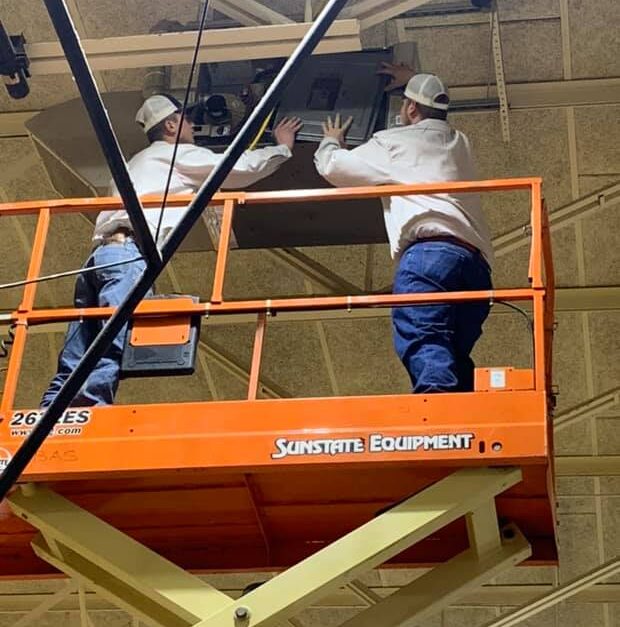
Looking for AC Maintenance in Milam County?
Climate Control A/C & Heating works on heating, cooling and indoor comfort here at home.
Reach us at 512-446-4020 to talk it through.
Heat and Humidity: Local Conditions Come First
The cooling season in Milam County starts early and finishes late; a cooling system here logs far more running hours than one in a mild climate.
Humidity is half of the comfort problem, not an afterthought, and removing it takes steady run time rather than quick bursts.
Right size, steady airflow and a clean coil explain much of how a house feels, whatever the label on the box promises.
Anatomy of a Cooling System – Heat Moves, Cold Is Not Made
An air conditioner does not create cold; the refrigerant carries heat out of the house and leaves the cool behind.
Warm indoor air passes over a cold coil in the air handler or furnace cabinet; the outdoor cabinet houses the compressor, the condenser coil and a fan.
Fan motors and start components do a great deal of work for their size, which is why a quick diagnosis matters before anyone talks about replacement.
When the House Stops Cooling: a Look at Common Failures
A thorough air conditioning repair starts with a diagnosis rather than a hunch, and a house that is warm may have an electrical fault, an airflow problem or a refrigerant problem.
If the outdoor unit is silent, power, a breaker and the low-voltage wiring are the first suspects, though a part that failed once can point to heat or a loose connection that needs attention.
A frozen evaporator coil blocks the very air it is supposed to cool; switching the system off and letting it thaw protects the equipment until it can be checked.
The charge in a cooling system is fixed, so a shortage points to escape; a responsible repair locates the leak instead of simply adding more.
Condensate has to leave the house, so a blocked line sends it somewhere less welcome, and the fix is usually quick once the blockage is found.
Warning Signs – Before a Breakdown
Air conditioners seldom quit without hints along the way; these are the signs a homeowner can see, hear or feel without any tools:
- Supply air that feels weak or lukewarm though the unit sounds normal.
- Grinding, squealing or rattling from the outdoor cabinet, sometimes only on the hottest afternoons.
- Repeated short runs that never finish a cooling cycle, along with a higher electric bill.
- Damp spots on the ceiling below the indoor cabinet, particularly after long runs.
Regular Maintenance: Catching Trouble Before It Grows
AC maintenance is a set of simple, repeatable tasks that keep a cooling system efficient, and the visit usually combines cleaning, measuring and tightening.
Changing the filter on schedule protects the coil, the blower and the ductwork, and how often it needs changing depends on the filter type, pets and the season.
A technician cleans or inspects the outdoor coil, the indoor coil and the condensate drain, and reading the numbers shows whether anything is drifting out of range.
Repair or Replace: Questions to Ask First
The conversation about replacement starts when age, condition and comfort all point the same way, and an honest technician explains both paths.
Refrigerant types have changed over time, so older systems may use one that is hard to find, and that can tip a close decision toward replacement.
Newer cooling equipment is generally more efficient than older models; replacement can pay back in comfort as well as in energy use.
Matching a System to a House: Where Good Results Begin
An air conditioning install starts with a load calculation, not a rule of thumb, and the standard method for homes is a room-by-room heat gain calculation.
Oversizing is a common mistake, and it wears out parts through constant starting; one that is too small never reaches the setpoint on the hottest days.
The indoor and outdoor parts have to match each other and the ductwork, and a startup check confirms the charge, the airflow and the temperature drop.
Ductwork Matters – What Hides Above the Ceiling
A duct system is the network of channels that carry conditioned air to every room and returns it for re-cooling; a house with comfort problems deserves a look at its air paths.
Attic duct work in Texas sees extreme heat, so insulation and tight seams earn their keep; the usual fix is sealing the seams, supporting the runs and adding insulation.
Dust, Debris and Ductwork – Deciding if It Fits
Duct cleaning is a mechanical job that brushes loose and vacuums out what has collected; a house with no such history may not need it often.
Filtering, sealing and cleaning form one plan, not three separate jobs, and a plain look inside the duct tells the real story.
Cooling and Heating in One: How the Technology Works
Heat pumps move heat in both directions, cooling in summer and heating in winter; one outdoor unit does the work of two.
When outdoor temperatures fall far enough, electric strips or a furnace add the missing warmth, and a system that runs strips constantly deserves a diagnostic visit.
Burners, Igniters and Flues: How a Furnace Heats a House
The sequence in a gas furnace runs from thermostat call to draft fan, igniter, gas valve and flame proof, and a dirty flame sensor is a frequent reason for a furnace that lights and then shuts off.
Safe furnace operation depends on clear venting and working carbon monoxide alarms; never ignore an alarm or a smell of gas.
Electric Furnaces and Air Handlers: Simple Equipment, Steady Output
Electric heat uses sequenced elements, relays and limit switches to warm the house, and the main wear items are the elements, the sequencers and the blower.
Electricity makes heat at a steady rate, but resistance heat uses more power than a heat pump does for the same warmth; the choice depends on what fuel is available at the property.
Warmth When the Front Arrives: Short Winters Still Bite
The heating season is short enough that equipment sits unused for months, then must work on the first cold night, which is why heating services are well scheduled in fall.
Furnaces, heat pumps and electric air handlers all heat homes, and each has its own checkup list, and a technician adjusts the visit to the equipment on site.
Boilers: Found in Older and Larger Buildings
A boiler warms water in a closed loop, and pumps circulate it to the rooms; an owner with a boiler should look for experience with water-based heat.
Air in the lines, a stuck valve or a weak pump are common reasons a boiler heats unevenly, and annual attention keeps these systems running quietly.
What You Breathe at Home: Beyond Temperature and Humidity
The air in a house mixes outdoor pollen, indoor dust and chemicals from everyday products; allergy seasons put extra load on filters and ducts.
Filter grade matters, but a very dense filter in the wrong system can choke the airflow, and sealing return leaks keeps unfiltered air from sneaking around the filter.
Offices, shops and restaurants need steady fresh air so that crowds do not make the space stuffy, and a maintenance plan fits the building's size and hours.
Choosing an Air Cleaner: What the Labels Mean
Whole-home purifiers treat air as it passes through the system, while portable ones clean a single space; any claims about performance should be checked against the specification.
A purifier works alongside good ventilation and a clean system, not in place of them, and sizing matters here as much as anywhere.
Light and Mist Treatments – Tools for a Damp Climate
Lamps inside the cabinet work on the coil and pan, and they need replacing on a schedule, and results depend on placement, dose and the lamp type.
Mist treatments use an approved solution applied by a technician in a controlled way, and it works best where the source of moisture has been dealt with.
Ventilation Done Right: Why Tight Buildings Need It
Modern buildings are tight, so ventilating on purpose keeps carbon dioxide and odors from building up, which is where design and service make a real difference.
Attic ventilation is a separate matter, but it affects how hard the cooling system works; the equipment, the envelope and the airflow work as a team.
Commercial Cooling: From Rooftop Units to Split Systems
A commercial AC system is sized for heat from people, lighting and machines as well as sunshine, and filters, belts, coils and drains are the usual checklist items.
Control settings, schedules and thermostats on commercial systems deserve a look when comfort complaints begin; a clear plan helps the business stay open.
Cooling at Scale: Parts and Service Needs
Instead of cooling air directly, chiller systems cool a water loop that serves coils across the property; the equipment is larger, more complex and more closely monitored.
Cold Storage Equipment: Walk-Ins, Reach-Ins and More
Businesses that sell or store food depend on refrigeration service to hold safe temperatures; frost buildup, warm product and constant running all point to trouble.
How Climate Control A/C & Heating Approaches AC Maintenance throughout Milam County
Every visit starts with questions about what the equipment has been doing and when, and then the system gets inspected with gauges, meters and a careful eye.
Recommendations come with explanations, so choices rest on information rather than pressure; nothing starts without a clear understanding.
Start With a Conversation
Reach out at 512-446-4020 to book a technician or get a straight answer.
Putting It Together: Small Habits, Big Difference
Searching for AC Maintenance in Milam County usually leads to the same few questions about size, age, airflow and care; Climate Control A/C & Heating can walk through the choices with you.