
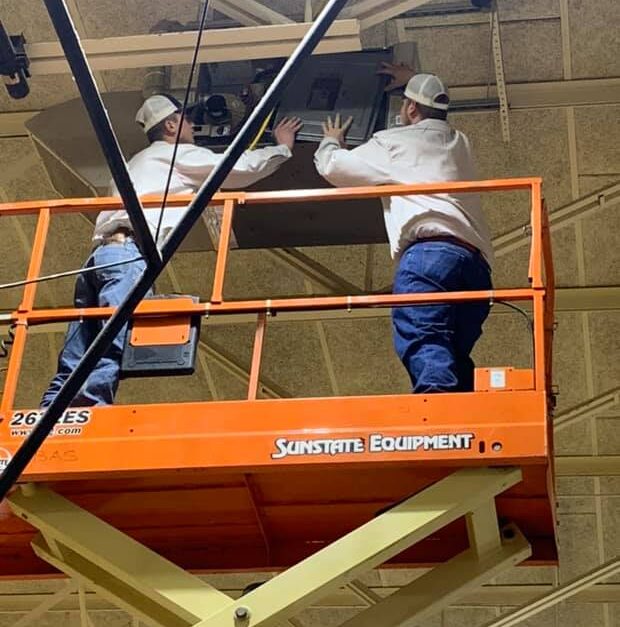
Searching for Duct System around Milam County?
Climate Control A/C & Heating services cooling, heating and the air indoors around the community.
Contact us at 512-446-4020 and tell us what you are noticing.
Summer Load: Why Equipment Works Hard Here
A summer stacks hot afternoon after hot afternoon, which means a cooling unit seldom rests between spring and fall.
Damp air changes how a house feels at any given temperature; the indoor coil acts as the dehumidifier, collecting water that leaves through a drain line.
Proper equipment size, good airflow and clean surfaces separate a comfortable house from a clammy one, even before anything breaks.
How Air Conditioning Works: the Basics Worth Knowing
Air conditioning is the business of relocating heat; refrigerant picks up warmth from indoor air and carries it outside.
Inside the house, the evaporator coil does the absorbing; outdoors, a fan pulls air across the condenser coil to shed the load.
The contactor, the capacitor and the motors take a beating in hot weather; the compressor itself can last a long time when it is kept clean and properly charged.
Cooling Troubles: Repair Starts With Diagnosis
AC repair that works starts with measurements, because guessing wastes time and parts; the same warm room can come from a dead capacitor, a frozen coil or a leak.
A tripped breaker, a failed capacitor or a worn contactor keeps the outdoor unit from starting, and they usually repair cleanly because the parts are small.
Ice building up near the air handler tells a technician where to look; the coil needs to thaw completely before anyone can measure what is going on.
A properly working system keeps its charge for good, since nothing burns it off; topping off a leaking system is a temporary patch that lets the problem return.
Water around the air handler often means the condensate line has clogged with slime, and clearing the line is routine maintenance work.
Symptoms Worth Noticing – Before a Breakdown
Air conditioners seldom quit without hints along the way; the list below covers what owners tend to notice:
- Uneven temperatures from room to room even though the blower sounds normal.
- A buzzing or clicking sound at startup, often getting louder from one week to the next.
- An outdoor unit that starts and stops every few minutes, even though the thermostat is satisfied.
- Water around the air handler, sometimes from a dirty coil.
Tune-Ups for Cooling Gear: Habits That Pay Off Later
AC maintenance is a set of simple, repeatable tasks that keep a cooling system efficient, with attention paid to coils, drains, belts and wiring.
Changing the filter on schedule protects the coil, the blower and the ductwork, and a quick check each month is a good habit through the summer.
Dirt on the condenser makes the compressor run hotter, so that coil gets cleaned too; the report reflects measurements rather than guesses.
When Replacement Makes Sense: Weighing the Options Honestly
An old unit that needs repair after repair may be a candidate for AC replacement; the right answer differs from one house to the next.
The refrigerant a system uses is worth asking about when a repair involves the sealed loop, and that can tip a close decision toward replacement.
Today's units move the same heat with less power than equipment from a generation ago; replacement can pay back in comfort as well as in energy use.
Sizing and Setup: Details That Shape Comfort
Choosing equipment for an AC install means working out how much heat the structure gains, and the standard method for homes is a room-by-room heat gain calculation.
A unit that is too large satisfies the thermostat fast and leaves the humidity behind; the right size runs long, steady cycles that dry the air.
A complete installation pairs the condenser, the coil and the air handler as one system, and the installer verifies airflow and charge before leaving the job.
The Hidden Network in the Walls and Attic: the Lungs of the House
Good duct work delivers the right amount of air to each room and brings it back again, and a unit can be fine while the ducts hold the whole system back.
Runs through an unconditioned attic or crawl space gain heat or lose chill unless sealed and wrapped, and sealing with mastic rather than cloth tape holds up better in the heat.
Dust, Debris and Ductwork: Worth Doing at the Right Time
Cleaning the ducts means pulling loose material out with agitation tools and a strong vacuum; a house with no such history may not need it often.
Dirt returns quickly if the filter is poor or the returns leak unfiltered air, and claims about health benefits should be treated skeptically.
Cooling and Heating in One: a Natural Fit for Mild Winters
The reversing valve is what lets heat pumps switch between cooling and heating, and one system handles both seasons with a single set of equipment.
Defrost cycles and backup heat are normal parts of winter operation, but a heat pump that always needs the backup may have a fault.
Gas Furnaces: Reliable Heat for Cold Fronts
Gas furnaces burn natural gas or propane in a burner and pass the heat through a heat exchanger; the flue and combustion air must be clear for safe operation.
The annual furnace check is also a safety check on combustion and exhaust, and a detector near the sleeping areas gives early warning.
Heating With Electricity: How the Elements Work
An electric furnace passes air over banks of resistance elements that glow when energized; the electrical safety devices do the most important work.
The trade-off with electric heat is simple equipment against higher running use, and many homes pair a heat pump with strips as a backup.
Warmth When the Front Arrives: What to Do Before the First Freeze
Heating season in this part of Texas is brief, with sudden swings between warm days and freezing nights; problems found early can be repaired before a cold front arrives.
A heating service call looks at the heat source, the blower, the filter, the thermostat and the airflow; one failed switch can shut down an otherwise healthy system.
Boilers – Radiators, Coils and Radiant Floors
Hydronic heating moves heat with water instead of air, which makes for quiet, even warmth, and the parts, from circulators to expansion tanks, differ from forced-air equipment.
A boiler tune-up checks combustion, water level, pressure and the controls that keep it safe; neglected boilers corrode inside, so water quality and venting matter.
What You Breathe at Home – Sources, Symptoms and Solutions
Indoor air quality describes what is floating in the air inside a building, from dust and pollen to odors and humidity, and cleaner air depends on filtration, ventilation and moisture control working together.
Filter grade matters, but a very dense filter in the wrong system can choke the airflow; the system and the filter are chosen together.
Larger buildings circulate air through central equipment, so one fault can reach every room, and employee and customer comfort both depend on it.
Purifiers: Sorting Fact From Marketing
Air purifiers range from a stand-alone machine in one room to a unit tied into the ductwork, and the right choice depends on what needs removing.
A purifier works alongside good ventilation and a clean system, not in place of them, and a conversation about the whole house usually comes first.
Light and Mist Treatments: Understanding the Options
UV lights install in the air handler and shine on the indoor coil and drain pan to limit microbial growth, and results depend on placement, dose and the lamp type.
Fogging a space with antimicrobial mist is a surface treatment, not a cure for a moisture problem, and it works best where the source of moisture has been dealt with.
Ventilating: Balance in a Humid Climate
Modern buildings are tight, so ventilating on purpose keeps carbon dioxide and odors from building up, which is where design and service make a real difference.
A hot attic loads up the ceiling and the ducts, so attic ventilation and insulation help the system; improvements can start with simple, low-effort fixes.
Business Climate Control – Equipment Built for Heavier Duty
Every commercial air conditioning system serves a space with different loads from a house, such as crowds, lighting and equipment; planned maintenance keeps surprises to a minimum.
Commercial equipment is built to run long hours, and it still depends on clean coils and clear drains, and larger properties may phase work across several units.
Cooling at Scale: Parts and Service Needs
Chiller systems cool water, and pumps carry the chilled water through pipes to air handlers throughout a building, and they need specialized service knowledge.
Refrigeration Service: Walk-Ins, Reach-Ins and More
A refrigeration problem is often found in the condenser, the defrost control or a worn door gasket; frost buildup, warm product and constant running all point to trouble.
How Climate Control A/C & Heating Thinks About Duct System across Milam County
Before touching a tool, the technician hears the history of the problem from the person who lives with it; the owner understands the situation before any decision.
The owner hears what needs to happen now, what can wait and what is optional, and the work proceeds only when the owner agrees.
Let's Talk About Your Equipment
Contact us at 512-446-4020 to describe what is going on and find the next step.
What to Remember: Comfort Is a System
From Duct System to routine upkeep, good outcomes come from understanding the equipment and caring for it, with Climate Control A/C & Heating at 512-446-4020 to start the conversation.