
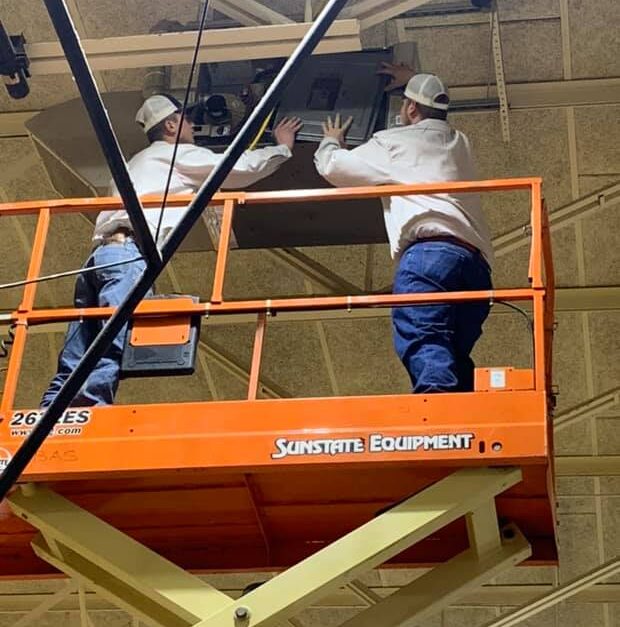
Trying to find Ventilating around Milam County?
Climate Control A/C & Heating works on comfort equipment of every kind here at home.
Call 512-446-4020 and ask a real question.
Summer Load: the Climate Behind the Equipment
Warm weather in stretches across much of the calendar, and the equipment that carries the load is working harder than its owner tends to notice.
Humidity is half of the comfort problem, not an afterthought, and the coil is where the moisture condenses and drains away.
Matching capacity to the house, moving enough air and keeping the coil clean all shape the result, and each one is something a technician can check on site.
Inside an Air Conditioner: the Basics Worth Knowing
Nothing in a cooling system generates cold air from scratch; warmth is absorbed in one coil and released in another.
A cold coil indoors takes in heat while the blower keeps air moving, and the condensing unit in the yard completes the loop by getting rid of the heat.
Wear tends to show up in the electrical components before the big mechanical ones; a failed capacitor is often a small repair rather than the end of the system.
Cooling Troubles – Sorting Symptoms From Causes
A proper air conditioning repair sorts the symptom from the cause before anything is replaced, and each of those causes needs a different fix.
Electrical faults are common, with capacitors and contactors leading the list of small failures, and each can be tested with a meter in a few minutes.
A frozen evaporator coil blocks the very air it is supposed to cool; switching the system off and letting it thaw protects the equipment until it can be checked.
Low refrigerant means a leak, because the charge stays put when the loop is tight; a responsible repair locates the leak instead of simply adding more.
Algae and debris plug the drain, and many systems have a float switch that stops the cooling, and a flush of the line during regular service often prevents the problem.
Warning Signs: Spotting Problems Early
The system tends to behave differently well before the day it stops, and the following signs are worth acting on:
- One end of the house that feels warmer while the system runs nonstop.
- Grinding, squealing or rattling from the outdoor cabinet, whether or not the cooling seems to work.
- Short, frequent cycling of the outdoor unit, with indoor humidity climbing.
- Damp spots on the ceiling below the indoor cabinet, particularly after long runs.
Regular Maintenance: Habits That Pay Off Later
Air conditioning maintenance keeps dust, grime and wear from piling up unseen; the technician cleans what gets dirty and measures what can drift.
The air filter is the part most under the homeowner's own control, and how often it needs changing depends on the filter type, pets and the season.
Heat flows through each of the coils, and each one loses capacity when it collects dirt; temperature drop and refrigerant pressures are measured to show how the loop is behaving.
Aging Equipment – a Decision Worth Making Carefully
Air conditioning equipment reaches a point where a new system makes more sense than another fix, with the condition of the compressor and coils weighing heavily.
Some older units run on refrigerant that is now scarce, which affects repair decisions; current equipment follows the refrigerant rules in force today.
Efficiency numbers on new equipment, such as SEER2, give a way to compare models fairly; the benefit grows in houses that rely on cooling much of the year.
Sizing and Setup: the Groundwork Matters
AC install work succeeds or fails on sizing and airflow before any equipment is delivered, and the standard method for homes is a room-by-room heat gain calculation.
Equipment that is too big runs in bursts, which hurts comfort and efficiency alike; one that is too small never reaches the setpoint on the hottest days.
Every connection, from the refrigerant lines to the thermostat wire, gets sized and routed with care, and a startup check confirms the charge, the airflow and the temperature drop.
Duct System Basics – What Hides Above the Ceiling
In many houses, the ducts decide whether a new system performs as promised, which is why the airflow measurement is part of a proper diagnosis.
A long flexible run through a hot attic needs support, sealing and good insulation, which can improve comfort without touching the equipment.
Cleaning the Air Paths: Realistic Expectations
A duct cleaning visit reaches the trunk lines, the branches and the grilles, and it makes the most sense after a renovation, a pest problem or visible contamination.
A cleaning that ignores leaks and filtration is a short-term fix at best, and a plain look inside the duct tells the real story.
Cooling and Heating in One: a Natural Fit for Mild Winters
Heat pumps use the same refrigerant loop as an air conditioner, with a reversing valve added; in Texas, cold snaps are short, so a heat pump covers most of the heating season.
When outdoor temperatures fall far enough, electric strips or a furnace add the missing warmth; steam from the outdoor unit during defrost is normal.
Gas Furnaces – Parts, Safety and Service
Inside a gas furnace, a burner lights, a heat exchanger warms up and the blower pushes air across it, and a fault in any one step can stop the whole cycle.
A technician checks venting, gas pressure and the heat exchanger during a furnace tune-up, and homeowners should keep the area around the furnace clear of clutter.
Heating With Electricity – Features and Trade-Offs
Electric heat uses sequenced elements, relays and limit switches to warm the house, and the main wear items are the elements, the sequencers and the blower.
Electricity makes heat at a steady rate, but resistance heat uses more power than a heat pump does for the same warmth, and many homes pair a heat pump with strips as a backup.
Winter Preparation: Planning for Sudden Cold
A hard freeze can arrive with little warning, so heating equipment needs to be ready before it is called on, which is why heating services are well scheduled in fall.
Heating systems come in several forms, and the same house may use gas furnaces, heat pumps or electric heating systems; one failed switch can shut down an otherwise healthy system.
Boilers: Less Common, Still Important
Hydronic heating moves heat with water instead of air, which makes for quiet, even warmth; an owner with a boiler should look for experience with water-based heat.
Pressure, temperature and flame quality are the numbers that matter in a boiler check, and bleeding air from the loops is a routine task.
The Air Inside Your Walls: Beyond Temperature and Humidity
The air in a house mixes outdoor pollen, indoor dust and chemicals from everyday products, and cleaner air depends on filtration, ventilation and moisture control working together.
Residential air quality improves when the filter fits the system and gets changed on schedule, and a technician can recommend what the equipment can handle.
Offices, shops and restaurants need steady fresh air so that crowds do not make the space stuffy, and a maintenance plan fits the building's size and hours.
Choosing an Air Cleaner: What the Labels Mean
Air purifiers range from a stand-alone machine in one room to a unit tied into the ductwork; any claims about performance should be checked against the specification.
Good results come from a purifier chosen to complement the rest of the system; a technician looks at the system before recommending a device.
Add-On Air Treatments: Understanding the Options
A UV lamp does not clean the air passing by, but it treats the surfaces it can see, and results depend on placement, dose and the lamp type.
Fogging a space with antimicrobial mist is a surface treatment, not a cure for a moisture problem; the product and method should be explained in advance.
Ventilation Done Right – Not Too Much, Not Too Little
Planned ventilation brings in measured amounts of outdoor air and exhausts the stale air, and dampers, filters and controls keep the supply of fresh air in balance.
A hot attic loads up the ceiling and the ducts, so attic ventilation and insulation help the system, and this is another reason the whole building matters.
Cooling for Shops, Offices and Buildings – Equipment Built for Heavier Duty
Shops, restaurants, offices and churches often rely on rooftop equipment that serves a zone of the building; a break in cooling can mean lost customers or a workday cut short.
Control settings, schedules and thermostats on commercial systems deserve a look when comfort complaints begin, and replacement decisions weigh downtime as well as equipment.
Cooling at Scale – Water Carries the Cold
Instead of cooling air directly, chiller systems cool a water loop that serves coils across the property; air-cooled and water-cooled designs differ in how they reject heat.
Keeping Food and Product Cold – Why Failures Matter Fast
Businesses that sell or store food depend on refrigeration service to hold safe temperatures, and food safety rules set limits that equipment must keep.
How Climate Control A/C & Heating Approaches Ventilating throughout Milam County
Every visit starts with questions about what the equipment has been doing and when, and then the system gets inspected with gauges, meters and a careful eye.
A repair, a tune-up and a replacement are each described for what they are and what they involve, and the work proceeds only when the owner agrees.
Ready When You Are
Contact us at 512-446-4020 to book a technician or get a straight answer.
What to Remember: Small Habits, Big Difference
Searching for Ventilating in Milam County usually leads to the same few questions about size, age, airflow and care, and Climate Control A/C & Heating is ready to help with it.