
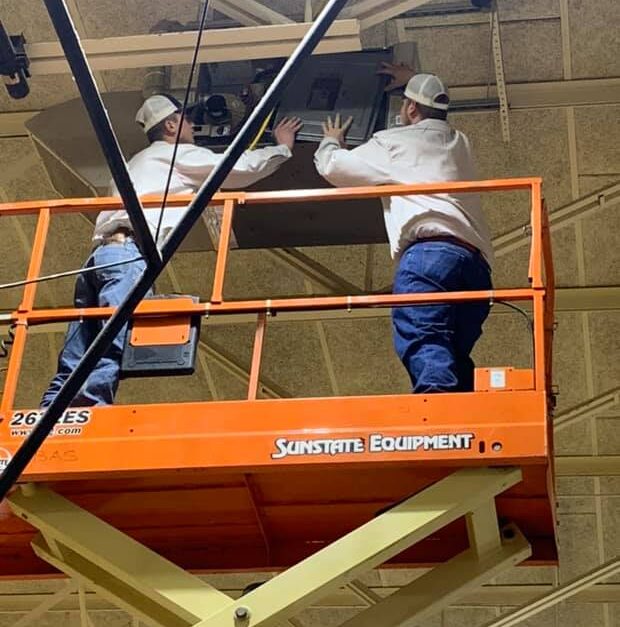
Looking for Duct System across Pettibone?
Climate Control A/C & Heating services heating, cooling and indoor comfort close to home.
Phone 512-446-4020 to describe what your equipment is doing.
Heat and Humidity – Built for a Long Haul
Hot weather in Pettibone settles in for months at a time; the machine on the pad outside is among the busiest appliances a household owns.
Sticky air can make a cool room feel uncomfortable; the indoor coil acts as the dehumidifier, collecting water that leaves through a drain line.
Matching capacity to the house, moving enough air and keeping the coil clean all shape the result, and each one is something a technician can check on site.
How Air Conditioning Works – Parts and Their Jobs
A central air conditioner is a heat mover, not a cold maker; warmth is absorbed in one coil and released in another.
Inside the house, the evaporator coil does the absorbing; the outdoor cabinet houses the compressor, the condenser coil and a fan.
Wear tends to show up in the electrical components before the big mechanical ones, and that is good news, because they are far simpler to fix than a compressor.
Problems Behind a Warm House: a Look at Common Failures
AC repair that works starts with measurements, because guessing wastes time and parts, and each of those causes needs a different fix.
Electrical faults are common, with capacitors and contactors leading the list of small failures, and these are among the quicker repairs when the technician has the part.
A frozen evaporator coil blocks the very air it is supposed to cool; switching the system off and letting it thaw protects the equipment until it can be checked.
Refrigerant is not a consumable that needs topping off every season, which is why measuring pressures and temperatures matters more than adding gas.
Water around the air handler often means the condensate line has clogged with slime, and the fix is usually quick once the blockage is found.
When to Call for Service: Trust Your Senses
Air conditioners seldom quit without hints along the way, and the items below are easy to check from inside the house:
- Some rooms that never cool down despite thin airflow at the vents.
- A hissing noise near the refrigerant lines, often getting louder from one week to the next.
- Short, frequent cycling of the outdoor unit, with indoor humidity climbing.
- Musty smells when the blower starts, sometimes from a dirty coil.
Routine Care: Habits That Pay Off Later
Regular AC maintenance trims the chance of a breakdown during the hottest week, and the visit usually combines cleaning, measuring and tightening.
A clogged filter chokes the blower and starves the coil of air, and a quick check each month is a good habit through the summer.
A technician cleans or inspects the outdoor coil, the indoor coil and the condensate drain; tightening electrical connections is a standard part of the job.
Time for a Change: How Owners Decide
The conversation about replacement starts when age, condition and comfort all point the same way, and an honest technician explains both paths.
A system built around a retired refrigerant can be a poor candidate for major repairs, and that can tip a close decision toward replacement.
Efficiency has improved steadily, and a modern system can use noticeably less electricity, which matters most where the system runs for months.
Choosing Capacity – Bigger Is Not Better
Air conditioning install quality depends on matching capacity to what the building actually needs; orientation and shading matter as much as floor area.
A unit that is too large satisfies the thermostat fast and leaves the humidity behind, and a proper calculation avoids both extremes.
A complete installation pairs the condenser, the coil and the air handler as one system, and the installer verifies airflow and charge before leaving the job.
Ducts: Sizing, Sealing and Insulation
The duct system is as much a part of comfort as the unit that feeds it, which is why the airflow measurement is part of a proper diagnosis.
Leaks at joints pull attic air into the system and push cooled air out into the rafters; return air paths deserve the same attention as the supply side.
Dust, Debris and Ductwork – Reasons and Limits
Cleaning the ducts means pulling loose material out with agitation tools and a strong vacuum; construction dust, rodents or visible mold growth are the usual reasons to schedule it.
A cleaning that ignores leaks and filtration is a short-term fix at best, and claims about health benefits should be treated skeptically.
The Two-Way Heat Mover – Efficient Most of the Year
The reversing valve is what lets heat pumps switch between cooling and heating; in Texas, cold snaps are short, so a heat pump covers most of the heating season.
On extremely cold days the heat pump leans on supplemental heat to keep up; watch for unusually high bills as a hint.
Heating With Gas: How a Furnace Heats a House
Gas furnaces burn natural gas or propane in a burner and pass the heat through a heat exchanger, and a dirty flame sensor is a frequent reason for a furnace that lights and then shuts off.
Safe furnace operation depends on clear venting and working carbon monoxide alarms, and stored items near the unit can block airflow and combustion air.
Heating With Electricity – Where It Fits Best
Elements in an electric air handler turn current directly into heat, and the equipment is simple, with few moving parts.
Homes with strip heat often see bigger winter bills than homes with efficient heat pumps, particularly where cold stretches are brief.
Winter Preparation: What to Do Before the First Freeze
Winters in Texas are short, but cold fronts can drop temperatures sharply in a matter of hours, which is why heating services are well scheduled in fall.
Furnaces, heat pumps and electric air handlers all heat homes, and each has its own checkup list, which keeps the work simple to explain and easy to follow.
Boiler Systems: Less Common, Still Important
Radiant floor and baseboard heating both rely on a boiler to heat the water; an owner with a boiler should look for experience with water-based heat.
Service on boiler systems covers the burner, the water pressure, the circulator pump, the expansion tank and the safety relief valve; leaks near joints deserve prompt attention.
Air Quality Basics – Sources, Symptoms and Solutions
The air in a house mixes outdoor pollen, indoor dust and chemicals from everyday products; the equipment that moves air is also the equipment that carries the contaminants.
MERV numbers describe how fine a filter catches, and the right one balances capture with airflow; a deeper media cabinet gives better filtering with less restriction.
Businesses face their own air issues, from shared air handlers to customers coming and going all day, and employee and customer comfort both depend on it.
Purifiers: What the Labels Mean
Whole-home purifiers treat air as it passes through the system, while portable ones clean a single space, and ozone-producing models are better avoided in occupied rooms.
Purifiers help most when the air handler is clean, the ducts are sealed and humidity is under control, and sizing matters here as much as anywhere.
Light and Mist Treatments – Tools for a Damp Climate
A UV lamp does not clean the air passing by, but it treats the surfaces it can see; the lamp supplements regular cleaning rather than replacing it.
Fogging a space with antimicrobial mist is a surface treatment, not a cure for a moisture problem; the product and method should be explained in advance.
Ventilation Done Right – Controlled and Filtered
Bath fans, kitchen hoods and outdoor air intakes are all part of ventilating a modern building; an energy recovery ventilator can trade heat and moisture between the two airstreams.
Good attic airflow lowers the heat that leaks down into the living space, and a technician who looks at the surroundings sees more than the unit alone.
Commercial Cooling: Comfort That Supports the Work
Commercial air conditioning system designs range from rooftop packages to split systems and multi-zone setups; planned maintenance keeps surprises to a minimum.
Commercial equipment is built to run long hours, and it still depends on clean coils and clear drains; planning a changeout around business hours limits disruption.
Chilled Water Cooling: Where They Make Sense
Chiller systems are used in large offices, schools, hospitals and industrial plants, and the plant includes a chiller, pumps, a cooling tower or air-cooled condenser, and controls.
Refrigeration Service – Equipment With Little Room for Error
Walk-in coolers rely on evaporators, condensing units, defrost systems and door seals working together; regular cleaning of condenser coils matters even more than in comfort cooling.
How Climate Control A/C & Heating Works Through Duct System near Pettibone
Conversation comes first, because the owner knows the symptoms better than anyone, then examines the equipment and measures what can be measured.
Options are laid out clearly, with the reasons behind each recommendation; nothing starts without a clear understanding.
Start With a Conversation
Dial 512-446-4020 to book a technician or get a straight answer.
What to Remember: Small Habits, Big Difference
From Duct System to routine upkeep, good outcomes come from understanding the equipment and caring for it, with Climate Control A/C & Heating at 512-446-4020 to start the conversation.