
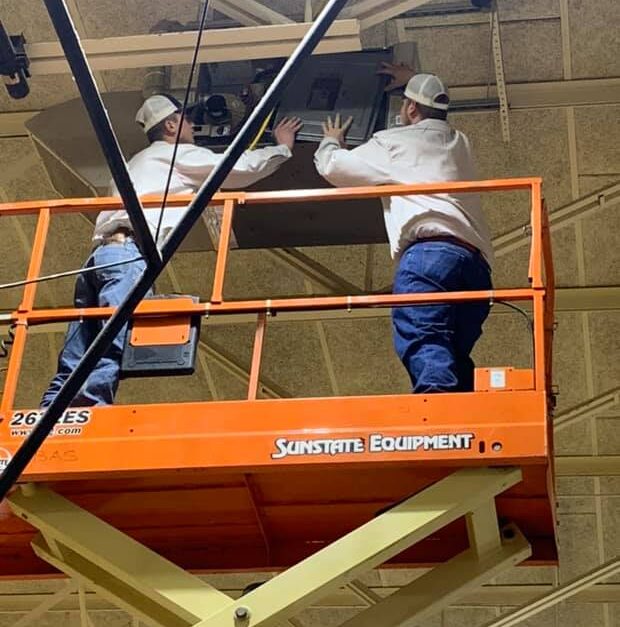
In need of Ventilating near Pettibone?
Climate Control A/C & Heating supports comfort equipment of every kind in the surrounding towns.
Reach us at 512-446-4020 and tell us what you are noticing.
Summer Load: the Climate Behind the Equipment
The cooling season in Pettibone starts early and finishes late, and the equipment that carries the load is working harder than its owner tends to notice.
Damp air changes how a house feels at any given temperature; an air conditioner pulls it out as a side effect of cooling, but only while it is actually running.
Capacity, airflow and cleanliness work together, and a weakness in one shows up as a house that never feels quite right, and each one is something a technician can check on site.
Inside an Air Conditioner: What Each Piece Does
A central air conditioner is a heat mover, not a cold maker; the refrigerant carries heat out of the house and leaves the cool behind.
The indoor coil is where the cooling happens, and the outdoor unit holds the compressor and condenser coil that push that heat away.
The contactor, the capacitor and the motors take a beating in hot weather; a failed capacitor is often a small repair rather than the end of the system.
When the House Stops Cooling – Finding the Real Cause
A proper air conditioning repair sorts the symptom from the cause before anything is replaced, and each of those causes needs a different fix.
When the outdoor fan hums but will not spin, a capacitor is often the reason, and they usually repair cleanly because the parts are small.
A frozen evaporator coil blocks the very air it is supposed to cool; switching the system off and letting it thaw protects the equipment until it can be checked.
A properly working system keeps its charge for good, since nothing burns it off; topping off a leaking system is a temporary patch that lets the problem return.
A blocked drain line can back water into the pan and trip a safety switch; moisture removed from muggy air adds up to gallons a day.
Clues Your System Is Struggling: Spotting Problems Early
Air conditioners seldom quit without hints along the way; these are the signs a homeowner can see, hear or feel without any tools:
- Some rooms that never cool down even with the thermostat set low.
- Grinding, squealing or rattling from the outdoor cabinet, sometimes only on the hottest afternoons.
- Constant starting and stopping through the afternoon, leaving the indoor air damp.
- Pooling water under the furnace or air handler, especially in humid weather.
Regular Maintenance: Catching Trouble Before It Grows
Scheduled air conditioning maintenance gives a technician a look at the system while it still works, and the visit usually combines cleaning, measuring and tightening.
The air filter is the part most under the homeowner's own control; the label on the filter and the look of its surface are a reliable guide.
Dirt on the condenser makes the compressor run hotter, so that coil gets cleaned too; temperature drop and refrigerant pressures are measured to show how the loop is behaving.
Deciding on a New System: Weighing the Options Honestly
Replacement is worth considering once repairs pile up on equipment that was already aging, and a good evaluation lays out repair and replacement side by side.
Older equipment may use a refrigerant that has been phased out of new production; matching parts and refrigerant correctly keeps the whole loop reliable.
Efficiency has improved steadily, and a modern system can use noticeably less electricity; replacement can pay back in comfort as well as in energy use.
Planning a New Installation: Details That Shape Comfort
AC install work succeeds or fails on sizing and airflow before any equipment is delivered; orientation and shading matter as much as floor area.
Equipment that is too big runs in bursts, which hurts comfort and efficiency alike; one that is too small never reaches the setpoint on the hottest days.
The indoor and outdoor parts have to match each other and the ductwork, and the installer verifies airflow and charge before leaving the job.
Air Distribution – Where Comfort Is Won or Lost
Good duct work delivers the right amount of air to each room and brings it back again; a house with comfort problems deserves a look at its air paths.
A long flexible run through a hot attic needs support, sealing and good insulation, and a technician can often find the leaks with a pressure test.
Dust, Debris and Ductwork – Reasons and Limits
Cleaning the ducts means pulling loose material out with agitation tools and a strong vacuum, and the decision should rest on what is actually in the ducts.
A cleaning that ignores leaks and filtration is a short-term fix at best, and be cautious of anyone who promises that cleaning will cure every problem.
Reversible Systems: How the Technology Works
Heat pumps use the same refrigerant loop as an air conditioner, with a reversing valve added; one outdoor unit does the work of two.
Defrost cycles and backup heat are normal parts of winter operation; watch for unusually high bills as a hint.
Heating With Gas – the Machinery in the Closet
Gas furnaces rely on an igniter, a flame sensor and a gas valve working in sequence, and a dirty flame sensor is a frequent reason for a furnace that lights and then shuts off.
The annual furnace check is also a safety check on combustion and exhaust, and homeowners should keep the area around the furnace clear of clutter.
Electric Heating Systems – Where It Fits Best
Electric heating systems have no burner, no flue and no combustion byproducts, and the main wear items are the elements, the sequencers and the blower.
The trade-off with electric heat is simple equipment against higher running use, and many homes pair a heat pump with strips as a backup.
Warmth When the Front Arrives: Short Winters Still Bite
The heating season is short enough that equipment sits unused for months, then must work on the first cold night, and a test on a mild day beats a surprise on a freezing one.
Heating services cover igniters and burners on gas units, reversing valves on heat pumps and elements on electric ones, which keeps the work simple to explain and easy to follow.
Heating With Water: How Hydronic Systems Differ
Hydronic heating moves heat with water instead of air, which makes for quiet, even warmth, and the parts, from circulators to expansion tanks, differ from forced-air equipment.
Pressure, temperature and flame quality are the numbers that matter in a boiler check, and annual attention keeps these systems running quietly.
Indoor Air Quality: Beyond Temperature and Humidity
Indoor air quality describes what is floating in the air inside a building, from dust and pollen to odors and humidity; the equipment that moves air is also the equipment that carries the contaminants.
A better filter helps only if the blower can pull air through it without strain; the system and the filter are chosen together.
Commercial air quality depends on ventilation rates, filtration and the upkeep of rooftop equipment; scheduled filter changes and coil cleaning keep these systems honest.
Purifiers: Sorting Fact From Marketing
Some purifiers capture particles with high-efficiency filters, and others target odors with carbon; any claims about performance should be checked against the specification.
Buying a purifier without fixing a moisture problem treats a symptom and misses the cause; a technician looks at the system before recommending a device.
Light and Mist Treatments: What They Do and What They Do Not
A UV lamp does not clean the air passing by, but it treats the surfaces it can see; bulbs lose strength over time and need changing.
An antimicrobial mist is sprayed or fogged onto surfaces inside the system or the building; the underlying cause still has to be fixed.
Bringing Outdoor Air In: Balance in a Humid Climate
Ventilating also removes moisture from kitchens and baths before it settles into the structure; the cooling equipment has to be sized to handle the fresh air coming in.
Exhaust fans that move air out of kitchens and baths should vent outdoors, not into the attic, and the same attention applies to the whole building.
Keeping a Workplace Comfortable: Uptime Matters
A commercial AC system is often a rooftop package unit that holds the compressor, the coils and the blower in one cabinet, which is why many businesses plan service around their schedule.
Condensate drains on rooftops clog with debris, and the water can stain ceilings below, and larger properties may phase work across several units.
Chillers – Big Buildings, Big Loads
Chiller systems cool water, and pumps carry the chilled water through pipes to air handlers throughout a building, and they need specialized service knowledge.
Cold Storage Equipment: Walk-Ins, Reach-Ins and More
A refrigeration problem is often found in the condenser, the defrost control or a worn door gasket, and food safety rules set limits that equipment must keep.
How Climate Control A/C & Heating Goes About Ventilating near Pettibone
A good service call begins with listening to what the owner has noticed; the owner understands the situation before any decision.
The owner hears what needs to happen now, what can wait and what is optional; nothing starts without a clear understanding.
Questions About Your System Are Welcome
Dial 512-446-4020 to book a technician or get a straight answer.
What to Remember – Equipment, Airflow and Air Quality
Interest in Ventilating often starts with a problem, and the solution starts with a clear diagnosis; reach Climate Control A/C & Heating at 512-446-4020 when you are ready.