
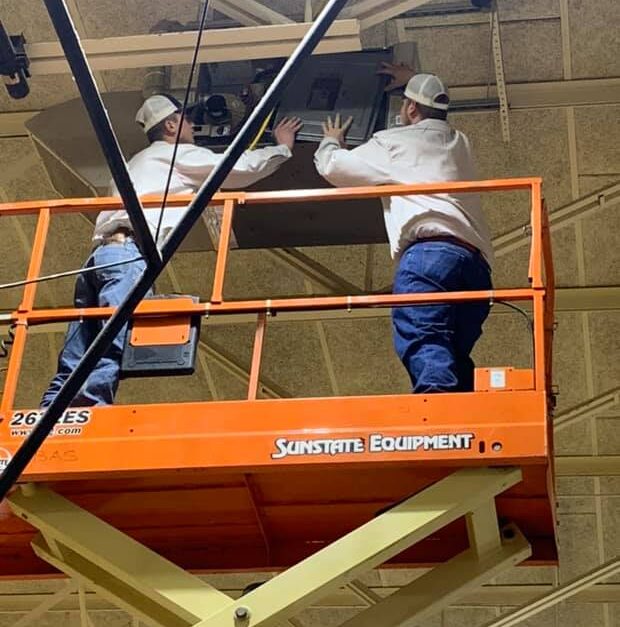
Searching for Duct Work in San Gabriel?
Climate Control A/C & Heating takes on climate equipment for homes and businesses around the community.
Contact us at 512-446-4020 and tell us what you are noticing.
Heat and Humidity: the Climate Behind the Equipment
Summers across San Gabriel run long, hot and humid, and the equipment that carries the load is working harder than its owner tends to notice.
Sticky air can make a cool room feel uncomfortable, and the coil is where the moisture condenses and drains away.
Right size, steady airflow and a clean coil explain much of how a house feels, long before a breakdown ever happens.
Moving Heat Outdoors: the Basics Worth Knowing
Cooling equipment does not manufacture chill; it collects heat inside the house and dumps it into the outdoor air.
A cold coil indoors takes in heat while the blower keeps air moving, and the condensing unit in the yard completes the loop by getting rid of the heat.
Starting and stopping thousands of times a season is hard on switches and capacitors; a failed capacitor is often a small repair rather than the end of the system.
Problems Behind a Warm House: Where the Fault Usually Hides
AC repair that works starts with measurements, because guessing wastes time and parts; three very different faults can feel identical from the thermostat.
Electrical faults are common, with capacitors and contactors leading the list of small failures, and they usually repair cleanly because the parts are small.
Ice on the lines almost always means too little air or too little refrigerant; the coil needs to thaw completely before anyone can measure what is going on.
The charge in a cooling system is fixed, so a shortage points to escape, and the leak is the thing that has to be found and dealt with.
A blocked drain line can back water into the pan and trip a safety switch, and a flush of the line during regular service often prevents the problem.
Trouble You Can See and Hear: Trust Your Senses
A struggling cooling system leaves clues around the house; these are the signs a homeowner can see, hear or feel without any tools:
- Some rooms that never cool down while the system runs nonstop.
- Grinding, squealing or rattling from the outdoor cabinet, sometimes only on the hottest afternoons.
- An outdoor unit that starts and stops every few minutes, along with a higher electric bill.
- Condensation where there should be none, particularly after long runs.
Routine Care – Small Tasks, Long Equipment Life
AC maintenance is a set of simple, repeatable tasks that keep a cooling system efficient; the checklist stays short enough to repeat every season.
Filters catch the dust that would otherwise coat the indoor coil, and a quick check each month is a good habit through the summer.
A technician cleans or inspects the outdoor coil, the indoor coil and the condensate drain; capacitors, contactors, wiring and motor amperage get checked as well.
Deciding on a New System: Questions to Ask First
Replacement is worth considering once repairs pile up on equipment that was already aging, with the condition of the compressor and coils weighing heavily.
Refrigerant types have changed over time, so older systems may use one that is hard to find; current equipment follows the refrigerant rules in force today.
Newer cooling equipment is generally more efficient than older models, which matters most where the system runs for months.
Getting an Install Right – Bigger Is Not Better
Air conditioning install quality depends on matching capacity to what the building actually needs, and the standard method for homes is a room-by-room heat gain calculation.
Too much capacity leads to short cycling, uneven rooms and a clammy feel; careful sizing protects comfort and the equipment.
The outdoor pad, the line set, the electrical disconnect and the drain all need planning, and local permit and inspection rules apply in most towns.
Duct System Basics: Moving Air Efficiently
In many houses, the ducts decide whether a new system performs as promised, which is why the airflow measurement is part of a proper diagnosis.
A long flexible run through a hot attic needs support, sealing and good insulation; return air paths deserve the same attention as the supply side.
Clearing Out the Channels: Worth Doing at the Right Time
A duct cleaning visit reaches the trunk lines, the branches and the grilles, and it makes the most sense after a renovation, a pest problem or visible contamination.
Dirt returns quickly if the filter is poor or the returns leak unfiltered air, and a careful provider will show the owner what was found inside.
Heat Pumps: How the Technology Works
The reversing valve is what lets heat pumps switch between cooling and heating, which suits places where freezing weather is brief.
On extremely cold days the heat pump leans on supplemental heat to keep up; steam from the outdoor unit during defrost is normal.
Burners, Igniters and Flues – Parts, Safety and Service
A furnace heats air by passing it over a hot metal exchanger while exhaust gases leave through a flue, and a fault in any one step can stop the whole cycle.
Safe furnace operation depends on clear venting and working carbon monoxide alarms, and a detector near the sleeping areas gives early warning.
Electric Furnaces and Air Handlers: What to Expect From It
An electric furnace passes air over banks of resistance elements that glow when energized, which keeps the mechanical side straightforward.
The trade-off with electric heat is simple equipment against higher running use, and a technician can explain how each option behaves in a mild climate.
Heating Services: Short Winters Still Bite
A norther can send temperatures tumbling, and heating systems that sat idle all summer must start right up; running the heater briefly in fall shows whether it lights, blows warm air and shuts off properly.
Heating services cover igniters and burners on gas units, reversing valves on heat pumps and elements on electric ones, which keeps the work simple to explain and easy to follow.
Hydronic Warmth – Radiators, Coils and Radiant Floors
A boiler warms water in a closed loop, and pumps circulate it to the rooms, and the parts, from circulators to expansion tanks, differ from forced-air equipment.
Pressure, temperature and flame quality are the numbers that matter in a boiler check; neglected boilers corrode inside, so water quality and venting matter.
The Air Inside Your Walls: Starting With Facts
Good indoor air quality means controlling particles, humidity, fresh air and sources of contamination; allergy seasons put extra load on filters and ducts.
Residential air quality improves when the filter fits the system and gets changed on schedule; the system and the filter are chosen together.
Offices, shops and restaurants need steady fresh air so that crowds do not make the space stuffy, and a maintenance plan fits the building's size and hours.
Air Purification Options: Sorting Fact From Marketing
Air purifiers range from a stand-alone machine in one room to a unit tied into the ductwork; any claims about performance should be checked against the specification.
Purifiers help most when the air handler is clean, the ducts are sealed and humidity is under control, and a conversation about the whole house usually comes first.
Managing Growth Inside the System: Where They Fit
UV lights install in the air handler and shine on the indoor coil and drain pan to limit microbial growth; ask what the lamp targets and how often it needs service.
Treatments with antimicrobial mist are used after cleaning, when surfaces are dry and accessible; the product and method should be explained in advance.
Ventilating: the Case for Planned Airflow
Ventilating also removes moisture from kitchens and baths before it settles into the structure; an energy recovery ventilator can trade heat and moisture between the two airstreams.
Good attic airflow lowers the heat that leaks down into the living space, and the same attention applies to the whole building.
Cooling for Shops, Offices and Buildings: Uptime Matters
Shops, restaurants, offices and churches often rely on rooftop equipment that serves a zone of the building; planned maintenance keeps surprises to a minimum.
Commercial equipment is built to run long hours, and it still depends on clean coils and clear drains, and a technician can map out options on site.
Central Plant Equipment – Water Carries the Cold
Instead of cooling air directly, chiller systems cool a water loop that serves coils across the property; air-cooled and water-cooled designs differ in how they reject heat.
Coolers, Freezers and Ice Machines: Walk-Ins, Reach-Ins and More
A refrigeration problem is often found in the condenser, the defrost control or a worn door gasket; frost buildup, warm product and constant running all point to trouble.
How Climate Control A/C & Heating Works Through Duct Work near San Gabriel
Every visit starts with questions about what the equipment has been doing and when, and then the system gets inspected with gauges, meters and a careful eye.
Honest advice separates the necessary from the optional, and the work proceeds only when the owner agrees.
Start With a Conversation
Dial 512-446-4020 to schedule service or ask what makes sense for your building.
A Last Word: Comfort Is a System
Searching for Duct Work in San Gabriel usually leads to the same few questions about size, age, airflow and care, with Climate Control A/C & Heating at 512-446-4020 to start the conversation.