
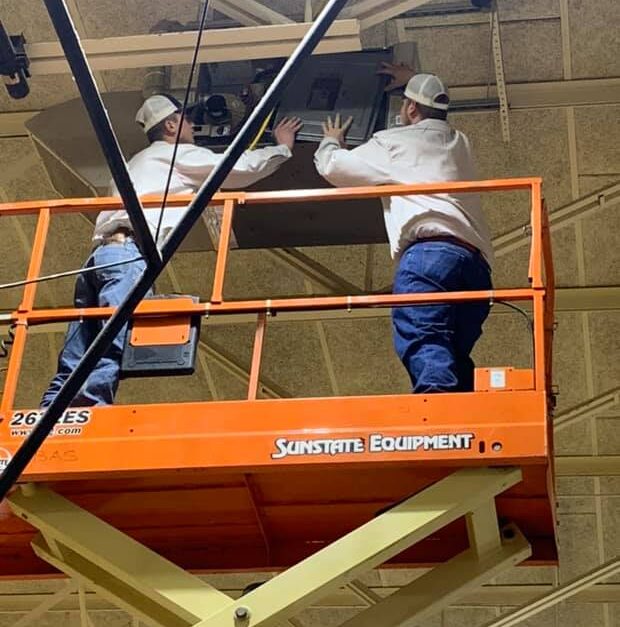
Searching for Indoor Air Quality in San Gabriel?
Climate Control A/C & Heating supports heating, cooling and indoor comfort close to home.
Contact us at 512-446-4020 to start the conversation.
What Summer Asks of a System: Local Conditions Come First
The cooling season in San Gabriel starts early and finishes late, which means a cooling unit seldom rests between spring and fall.
Damp air changes how a house feels at any given temperature; the indoor coil acts as the dehumidifier, collecting water that leaves through a drain line.
Proper equipment size, good airflow and clean surfaces separate a comfortable house from a clammy one, and each one is something a technician can check on site.
Moving Heat Outdoors: the Basics Worth Knowing
Nothing in a cooling system generates cold air from scratch; warmth is absorbed in one coil and released in another.
Warm indoor air passes over a cold coil in the air handler or furnace cabinet, and the condensing unit in the yard completes the loop by getting rid of the heat.
Wear tends to show up in the electrical components before the big mechanical ones, and that is good news, because they are far simpler to fix than a compressor.
Problems Behind a Warm House: Where the Fault Usually Hides
Good AC repair is detective work before it is wrench work; weak cooling is a symptom that many separate faults share.
A tripped breaker, a failed capacitor or a worn contactor keeps the outdoor unit from starting, though a part that failed once can point to heat or a loose connection that needs attention.
Frost on the indoor coil or the copper line is a warning sign, not a cooling success, and running the system while it is frozen can damage the compressor.
The charge in a cooling system is fixed, so a shortage points to escape, which is why measuring pressures and temperatures matters more than adding gas.
Water around the air handler often means the condensate line has clogged with slime; moisture removed from muggy air adds up to gallons a day.
Warning Signs – Before a Breakdown
Air conditioners seldom quit without hints along the way, and every item below is a reason to schedule a visit:
- Rooms that stay warm despite thin airflow at the vents.
- A burning smell from the vents, whether or not the cooling seems to work.
- A system that turns on and off in short cycles; parts wear faster.
- Condensation where there should be none, often tracing back to the drain line.
Tune-Ups for Cooling Gear: Catching Trouble Before It Grows
Regular AC maintenance trims the chance of a breakdown during the hottest week, and the visit usually combines cleaning, measuring and tightening.
A clogged filter chokes the blower and starves the coil of air, and a quick check each month is a good habit through the summer.
Heat flows through each of the coils, and each one loses capacity when it collects dirt; capacitors, contactors, wiring and motor amperage get checked as well.
When Replacement Makes Sense: Weighing the Options Honestly
Air conditioning equipment reaches a point where a new system makes more sense than another fix; the right answer differs from one house to the next.
The refrigerant a system uses is worth asking about when a repair involves the sealed loop; current equipment follows the refrigerant rules in force today.
Efficiency numbers on new equipment, such as SEER2, give a way to compare models fairly; the benefit grows in houses that rely on cooling much of the year.
Getting an Install Right: Where Good Results Begin
Air conditioning install quality depends on matching capacity to what the building actually needs; windows, attic insulation and ductwork all change the answer.
A unit that is too large satisfies the thermostat fast and leaves the humidity behind; careful sizing protects comfort and the equipment.
The outdoor pad, the line set, the electrical disconnect and the drain all need planning, and local permit and inspection rules apply in most towns.
The Hidden Network in the Walls and Attic – Where Comfort Is Won or Lost
Good duct work delivers the right amount of air to each room and brings it back again, and leaks, bad bends and poor insulation waste a large share of the effort.
A long flexible run through a hot attic needs support, sealing and good insulation, which can improve comfort without touching the equipment.
Clearing Out the Channels: Realistic Expectations
A duct cleaning visit reaches the trunk lines, the branches and the grilles; construction dust, rodents or visible mold growth are the usual reasons to schedule it.
A cleaning that ignores leaks and filtration is a short-term fix at best; ask to see before-and-after photos of the work.
Heat Pumps: Strengths and Limits
Instead of burning fuel, heat pumps pull warmth from outdoor air and carry it inside, which suits places where freezing weather is brief.
Defrost cycles and backup heat are normal parts of winter operation; steam from the outdoor unit during defrost is normal.
Burners, Igniters and Flues: Reliable Heat for Cold Fronts
Gas furnaces rely on an igniter, a flame sensor and a gas valve working in sequence; a cracked heat exchanger is a safety issue that calls for a prompt professional look.
A technician checks venting, gas pressure and the heat exchanger during a furnace tune-up, and stored items near the unit can block airflow and combustion air.
Electric Furnaces and Air Handlers: How the Elements Work
An electric furnace passes air over banks of resistance elements that glow when energized; troubleshooting centers on power, controls and the blower motor.
Electricity makes heat at a steady rate, but resistance heat uses more power than a heat pump does for the same warmth, and many homes pair a heat pump with strips as a backup.
Getting Ready for Cold Weather: Short Winters Still Bite
Winters in Texas are short, but cold fronts can drop temperatures sharply in a matter of hours, and a test on a mild day beats a surprise on a freezing one.
From gas furnaces to heat pumps, each heating system needs different attention before winter, and a technician adjusts the visit to the equipment on site.
Boilers: How Hydronic Systems Differ
A boiler warms water in a closed loop, and pumps circulate it to the rooms, but a building with a boiler needs service from someone who knows hydronics.
A boiler tune-up checks combustion, water level, pressure and the controls that keep it safe, and annual attention keeps these systems running quietly.
What You Breathe at Home – the Part You Cannot See
The air in a house mixes outdoor pollen, indoor dust and chemicals from everyday products; the equipment that moves air is also the equipment that carries the contaminants.
A better filter helps only if the blower can pull air through it without strain, and sealing return leaks keeps unfiltered air from sneaking around the filter.
Offices, shops and restaurants need steady fresh air so that crowds do not make the space stuffy; scheduled filter changes and coil cleaning keep these systems honest.
Filters, Purifiers and Their Limits: Matching the Tool to the Problem
Purifiers remove particles or gases from the air, and they come as whole-home units or portable room models; a device that makes bold promises deserves a second look.
Purifiers help most when the air handler is clean, the ducts are sealed and humidity is under control; a technician looks at the system before recommending a device.
Managing Growth Inside the System: Where They Fit
Ultraviolet lamps near the coil are meant to keep it cleaner by discouraging growth on damp surfaces; the lamp supplements regular cleaning rather than replacing it.
Antimicrobial mist is a liquid treatment applied to coils, ducts or surfaces to discourage growth; the underlying cause still has to be fixed.
Ventilation Done Right: Why Tight Buildings Need It
Modern buildings are tight, so ventilating on purpose keeps carbon dioxide and odors from building up; the cooling equipment has to be sized to handle the fresh air coming in.
Attic ventilation is a separate matter, but it affects how hard the cooling system works; improvements can start with simple, low-effort fixes.
Business Climate Control: From Rooftop Units to Split Systems
A commercial AC system is often a rooftop package unit that holds the compressor, the coils and the blower in one cabinet, and when it fails the business feels it quickly.
Control settings, schedules and thermostats on commercial systems deserve a look when comfort complaints begin; planning a changeout around business hours limits disruption.
Central Plant Equipment – Big Buildings, Big Loads
Chiller systems cool water, and pumps carry the chilled water through pipes to air handlers throughout a building, and the plant includes a chiller, pumps, a cooling tower or air-cooled condenser, and controls.
Commercial Refrigeration: Temperature Is the Whole Job
Refrigeration service covers walk-in coolers, reach-in units, freezers, display cases and ice machines, which is why restaurants and stores plan service ahead of busy seasons.
How Climate Control A/C & Heating Thinks About Indoor Air Quality across San Gabriel
The technician asks what changed, what is happening and how long it has been going on, and then the system gets inspected with gauges, meters and a careful eye.
Options are laid out clearly, with the reasons behind each recommendation, and questions are welcome at every stage.
Questions About Your System Are Welcome
Phone 512-446-4020 to set up a visit or talk through your options.
Closing Thoughts: Small Habits, Big Difference
Equipment, ducts and air quality are connected, so a question about Indoor Air Quality is rarely a stand-alone one; Climate Control A/C & Heating can walk through the choices with you.