
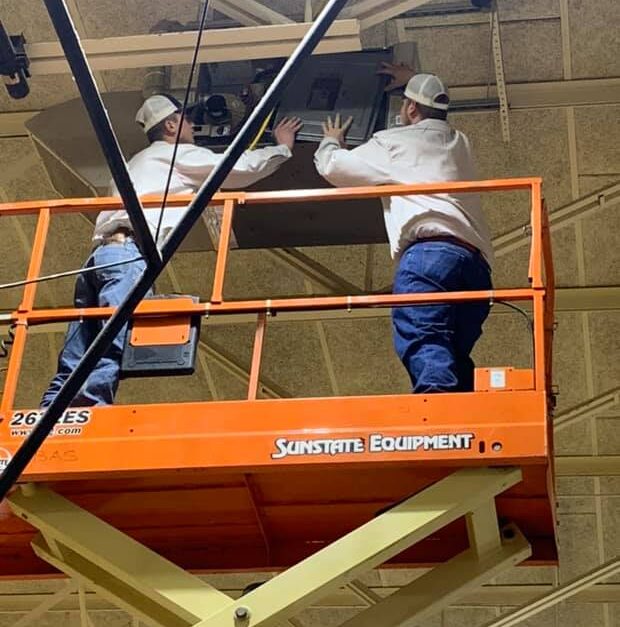
In need of AC Install throughout Thorndale?
Climate Control A/C & Heating services the equipment that keeps buildings comfortable in the surrounding towns.
Contact us at 512-446-4020 to talk it through.
What Summer Asks of a System: the Climate Behind the Equipment
A Thorndale summer stacks hot afternoon after hot afternoon, and a home air conditioner may run most of the day through the worst of it.
Water vapor rides along with the heat on a muggy afternoon; a cooling system dehumidifies only when the compressor is on and air is moving across the coil.
Right sizing, steady airflow and a clean coil therefore decide how a house feels, and each one is something a technician can check on site.
Moving Heat Outdoors – Heat Moves, Cold Is Not Made
An air conditioner does not create cold; refrigerant picks up warmth from indoor air and carries it outside.
The air handler holds the indoor coil and the blower that pushes air across it, and the outdoor unit holds the compressor and condenser coil that push that heat away.
The contactor, the capacitor and the motors take a beating in hot weather, and the larger parts usually go on to last much longer.
When the House Stops Cooling: Repair Starts With Diagnosis
Good AC repair is detective work before it is wrench work, and each of those causes needs a different fix.
Electrical faults are common, with capacitors and contactors leading the list of small failures; the diagnosis comes before any decision about a bigger job.
Ice building up near the air handler tells a technician where to look; the coil needs to thaw completely before anyone can measure what is going on.
Refrigerant is sealed in a loop and does not get used up, which is why measuring pressures and temperatures matters more than adding gas.
Clogged condensate drains are a quiet cause of water stains and shutdowns; moisture removed from muggy air adds up to gallons a day.
Clues Your System Is Struggling: Trust Your Senses
The system tends to behave differently well before the day it stops; the list below covers what owners tend to notice:
- Supply air that feels weak or lukewarm though the unit sounds normal.
- A burning smell from the vents, especially when the weather is hot.
- A system that turns on and off in short cycles, leaving the indoor air damp.
- Pooling water under the furnace or air handler, particularly after long runs.
Preventive Service – Small Tasks, Long Equipment Life
AC maintenance is a set of simple, repeatable tasks that keep a cooling system efficient, with attention paid to coils, drains, belts and wiring.
Dirty filters are the single easiest thing for an owner to handle, which is a quick job that helps the entire system.
A technician cleans or inspects the outdoor coil, the indoor coil and the condensate drain, and reading the numbers shows whether anything is drifting out of range.
Deciding on a New System – a Decision Worth Making Carefully
AC replacement becomes a real question when a system is old, repeatedly broken or hard to keep comfortable, and an honest technician explains both paths.
A system built around a retired refrigerant can be a poor candidate for major repairs, which is another reason to get a clear diagnosis before deciding.
Variable-speed designs hold temperature and humidity more precisely than single-stage units, and in a long cooling season those savings add up.
Sizing and Setup: Details That Shape Comfort
AC install work succeeds or fails on sizing and airflow before any equipment is delivered; orientation and shading matter as much as floor area.
Too much capacity leads to short cycling, uneven rooms and a clammy feel; the right size runs long, steady cycles that dry the air.
The indoor and outdoor parts have to match each other and the ductwork, and local permit and inspection rules apply in most towns.
Air Distribution: Sizing, Sealing and Insulation
Duct work moves the air that the equipment has cooled or heated, so its design shapes every room, which is why the airflow measurement is part of a proper diagnosis.
Ducts that run through a hot attic lose a surprising amount of cooling on the way to the rooms; the usual fix is sealing the seams, supporting the runs and adding insulation.
Clearing Out the Channels – Reasons and Limits
Duct cleaning is a mechanical job that brushes loose and vacuums out what has collected, and the decision should rest on what is actually in the ducts.
Dirt returns quickly if the filter is poor or the returns leak unfiltered air, and a plain look inside the duct tells the real story.
The Two-Way Heat Mover: a Natural Fit for Mild Winters
Heat pumps move heat in both directions, cooling in summer and heating in winter, and that makes them efficient in climates with mild winters.
Defrost cycles and backup heat are normal parts of winter operation, but a heat pump that always needs the backup may have a fault.
Gas Furnaces: Reliable Heat for Cold Fronts
Gas furnaces rely on an igniter, a flame sensor and a gas valve working in sequence; a cracked heat exchanger is a safety issue that calls for a prompt professional look.
Carbon monoxide detectors belong in any home with fuel-burning equipment, and the furnace check is well timed before the first cold front arrives.
Electric Heating Systems: What to Expect From It
Electric heating systems warm the air with heating elements instead of a flame, which keeps the mechanical side straightforward.
Electricity makes heat at a steady rate, but resistance heat uses more power than a heat pump does for the same warmth; the decision rests on the building, not just the equipment.
Heating Systems of Every Type: Planning for Sudden Cold
Heating season in this part of Texas is brief, with sudden swings between warm days and freezing nights; running the heater briefly in fall shows whether it lights, blows warm air and shuts off properly.
Heating systems come in several forms, and the same house may use gas furnaces, heat pumps or electric heating systems; one failed switch can shut down an otherwise healthy system.
Hot-Water Heating – Radiators, Coils and Radiant Floors
Boiler systems appear in older buildings, larger properties and some commercial spaces; the region mostly uses forced air, so boilers are the exception.
The relief valve and low-water cutoff protect a boiler, so they get tested during service; water damage can grow quickly.
What You Breathe at Home: Starting With Facts
Air inside a home can carry particles, gases and moisture that the thermostat never shows, and cleaner air depends on filtration, ventilation and moisture control working together.
Filter grade matters, but a very dense filter in the wrong system can choke the airflow, and a technician can recommend what the equipment can handle.
Offices, shops and restaurants need steady fresh air so that crowds do not make the space stuffy, which is why commercial properties usually benefit from regular service visits.
Purifiers – Useful, With Realistic Goals
Air purifiers range from a stand-alone machine in one room to a unit tied into the ductwork, and the right choice depends on what needs removing.
A purifier works alongside good ventilation and a clean system, not in place of them, and a conversation about the whole house usually comes first.
Light and Mist Treatments: Understanding the Options
A UV lamp does not clean the air passing by, but it treats the surfaces it can see, and results depend on placement, dose and the lamp type.
An antimicrobial mist is sprayed or fogged onto surfaces inside the system or the building; the product and method should be explained in advance.
Fresh Air and Exhaust – Controlled and Filtered
Planned ventilation brings in measured amounts of outdoor air and exhausts the stale air; the cooling equipment has to be sized to handle the fresh air coming in.
Good attic airflow lowers the heat that leaks down into the living space; the equipment, the envelope and the airflow work as a team.
Cooling for Shops, Offices and Buildings: Comfort That Supports the Work
Shops, restaurants, offices and churches often rely on rooftop equipment that serves a zone of the building; planned maintenance keeps surprises to a minimum.
Control settings, schedules and thermostats on commercial systems deserve a look when comfort complaints begin, and a technician can map out options on site.
Chillers: How They Differ From Packaged Units
Chiller systems cool water, and pumps carry the chilled water through pipes to air handlers throughout a building; air-cooled and water-cooled designs differ in how they reject heat.
Coolers, Freezers and Ice Machines: Temperature Is the Whole Job
Businesses that sell or store food depend on refrigeration service to hold safe temperatures, which is why restaurants and stores plan service ahead of busy seasons.
How Climate Control A/C & Heating Works Through AC Install in Thorndale
Conversation comes first, because the owner knows the symptoms better than anyone; readings replace guesses, and the findings are explained in plain language.
Recommendations come with explanations, so choices rest on information rather than pressure; nothing starts without a clear understanding.
Ready When You Are
Call 512-446-4020 to set up a visit or talk through your options.
Closing Thoughts: Small Habits, Big Difference
From AC Install to routine upkeep, good outcomes come from understanding the equipment and caring for it, and Climate Control A/C & Heating is ready to help with it.