
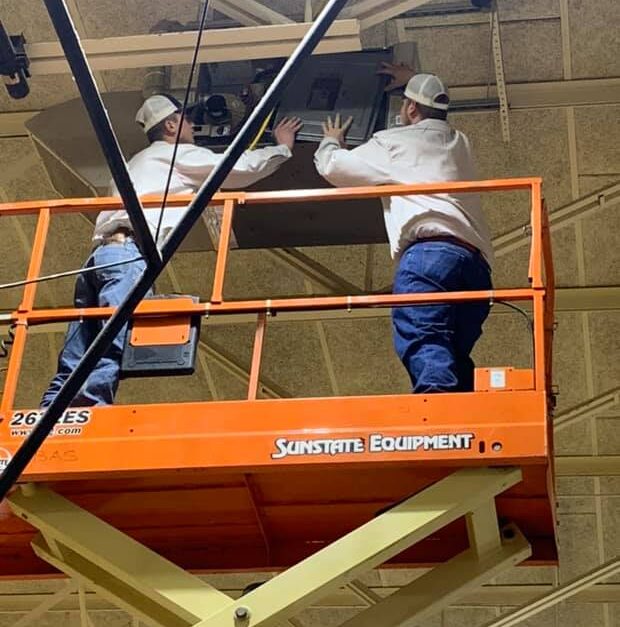
Shopping around for Antimicrobial Mist across Thorndale?
Climate Control A/C & Heating takes on the equipment that keeps buildings comfortable in the surrounding towns.
Dial 512-446-4020 and ask a real question.
Summer Load: Local Conditions Come First
Hot weather in Thorndale settles in for months at a time, which means a cooling unit seldom rests between spring and fall.
Damp air changes how a house feels at any given temperature; the indoor coil acts as the dehumidifier, collecting water that leaves through a drain line.
Capacity, airflow and cleanliness work together, and a weakness in one shows up as a house that never feels quite right, long before a breakdown ever happens.
The Refrigerant Cycle: a Plain Explanation
A central air conditioner is a heat mover, not a cold maker; refrigerant picks up warmth from indoor air and carries it outside.
The air handler holds the indoor coil and the blower that pushes air across it, and the outdoor unit holds the compressor and condenser coil that push that heat away.
Parts that wear out fastest are usually the small electrical ones, and that is good news, because they are far simpler to fix than a compressor.
Cooling Troubles: Repair Starts With Diagnosis
Good AC repair is detective work before it is wrench work; weak cooling is a symptom that many separate faults share.
If the outdoor unit is silent, power, a breaker and the low-voltage wiring are the first suspects, though a part that failed once can point to heat or a loose connection that needs attention.
Ice on the lines almost always means too little air or too little refrigerant; the coil needs to thaw completely before anyone can measure what is going on.
Refrigerant is not a consumable that needs topping off every season; topping off a leaking system is a temporary patch that lets the problem return.
Clogged condensate drains are a quiet cause of water stains and shutdowns, and clearing the line is routine maintenance work.
When to Call for Service: Trust Your Senses
Most breakdowns announce themselves with small changes in behavior, and the following signs are worth acting on:
- Some rooms that never cool down while the system runs nonstop.
- A buzzing or clicking sound at startup, particularly at the start of a cycle.
- Short, frequent cycling of the outdoor unit, leaving the indoor air damp.
- Damp spots on the ceiling below the indoor cabinet, which deserves a look before damage spreads.
Preventive Service: Catching Trouble Before It Grows
Routine AC maintenance heads off the kind of failure that arrives on a hot afternoon; the checklist stays short enough to repeat every season.
Dirty filters are the single easiest thing for an owner to handle, which is a quick job that helps the entire system.
Dirt on the condenser makes the compressor run hotter, so that coil gets cleaned too; tightening electrical connections is a standard part of the job.
Deciding on a New System: Weighing the Options Honestly
The conversation about replacement starts when age, condition and comfort all point the same way, and an honest technician explains both paths.
Some older units run on refrigerant that is now scarce, which affects repair decisions; matching parts and refrigerant correctly keeps the whole loop reliable.
Newer cooling equipment is generally more efficient than older models, and comfort improves along with the numbers.
Sizing and Setup: Details That Shape Comfort
AC install work succeeds or fails on sizing and airflow before any equipment is delivered; orientation and shading matter as much as floor area.
Oversizing is a common mistake, and it wears out parts through constant starting; careful sizing protects comfort and the equipment.
The indoor and outdoor parts have to match each other and the ductwork; commissioning measurements confirm that the system performs as designed.
Ducts: Sizing, Sealing and Insulation
Good duct work delivers the right amount of air to each room and brings it back again, and a unit can be fine while the ducts hold the whole system back.
A long flexible run through a hot attic needs support, sealing and good insulation, and a technician can often find the leaks with a pressure test.
Dust, Debris and Ductwork: Worth Doing at the Right Time
Duct cleaning removes dust and debris from the supply and return runs, the registers and the blower compartment; a house with no such history may not need it often.
Clean ducts work best alongside a good filter and sealed connections, and a careful provider will show the owner what was found inside.
Reversible Systems – Why They Suit the Region
Heat pumps move heat in both directions, cooling in summer and heating in winter, which suits places where freezing weather is brief.
On extremely cold days the heat pump leans on supplemental heat to keep up, but a heat pump that always needs the backup may have a fault.
Furnace Basics: How a Furnace Heats a House
Gas furnaces burn natural gas or propane in a burner and pass the heat through a heat exchanger, and a dirty flame sensor is a frequent reason for a furnace that lights and then shuts off.
Combustion appliances produce carbon monoxide, which is why detectors and clear vents matter, and stored items near the unit can block airflow and combustion air.
Electric Furnaces and Air Handlers: How the Elements Work
Electric heating systems warm the air with heating elements instead of a flame; the electrical safety devices do the most important work.
The trade-off with electric heat is simple equipment against higher running use, and a technician can explain how each option behaves in a mild climate.
Heating Services – Reliable Heat on Demand
A hard freeze can arrive with little warning, so heating equipment needs to be ready before it is called on, and a test on a mild day beats a surprise on a freezing one.
Heating services cover igniters and burners on gas units, reversing valves on heat pumps and elements on electric ones; one failed switch can shut down an otherwise healthy system.
Boiler Systems – Radiators, Coils and Radiant Floors
Boiler systems appear in older buildings, larger properties and some commercial spaces, and the parts, from circulators to expansion tanks, differ from forced-air equipment.
Pressure, temperature and flame quality are the numbers that matter in a boiler check; water damage can grow quickly.
Indoor Air Quality: Why It Deserves Attention
Air inside a home can carry particles, gases and moisture that the thermostat never shows; allergy seasons put extra load on filters and ducts.
Residential air quality improves when the filter fits the system and gets changed on schedule, and sealing return leaks keeps unfiltered air from sneaking around the filter.
Businesses face their own air issues, from shared air handlers to customers coming and going all day, which is why commercial properties usually benefit from regular service visits.
Purifiers: Matching the Tool to the Problem
Air purifiers range from a stand-alone machine in one room to a unit tied into the ductwork; a device that makes bold promises deserves a second look.
Purifiers help most when the air handler is clean, the ducts are sealed and humidity is under control, which is why one device rarely fits every home.
Add-On Air Treatments: Where They Fit
Lamps inside the cabinet work on the coil and pan, and they need replacing on a schedule; the lamp supplements regular cleaning rather than replacing it.
Treatments with antimicrobial mist are used after cleaning, when surfaces are dry and accessible, and it works best where the source of moisture has been dealt with.
Ventilating – Controlled and Filtered
Planned ventilation brings in measured amounts of outdoor air and exhausts the stale air; the cooling equipment has to be sized to handle the fresh air coming in.
A hot attic loads up the ceiling and the ducts, so attic ventilation and insulation help the system, and this is another reason the whole building matters.
Cooling for Shops, Offices and Buildings: Comfort That Supports the Work
A commercial AC system is often a rooftop package unit that holds the compressor, the coils and the blower in one cabinet; planned maintenance keeps surprises to a minimum.
Control settings, schedules and thermostats on commercial systems deserve a look when comfort complaints begin, and a technician can map out options on site.
Chillers – Water Carries the Cold
Chiller systems cool water, and pumps carry the chilled water through pipes to air handlers throughout a building, and they need specialized service knowledge.
Refrigeration Service: Walk-Ins, Reach-Ins and More
Businesses that sell or store food depend on refrigeration service to hold safe temperatures, and food safety rules set limits that equipment must keep.
How Climate Control A/C & Heating Approaches Antimicrobial Mist in Thorndale
Every visit starts with questions about what the equipment has been doing and when; the owner understands the situation before any decision.
Recommendations come with explanations, so choices rest on information rather than pressure, and the work proceeds only when the owner agrees.
Questions About Your System Are Welcome
Contact us at 512-446-4020 to line up service or learn what to expect.
Putting It Together – Equipment, Airflow and Air Quality
Searching for Antimicrobial Mist in Thorndale usually leads to the same few questions about size, age, airflow and care, and Climate Control A/C & Heating is ready to help with it.