
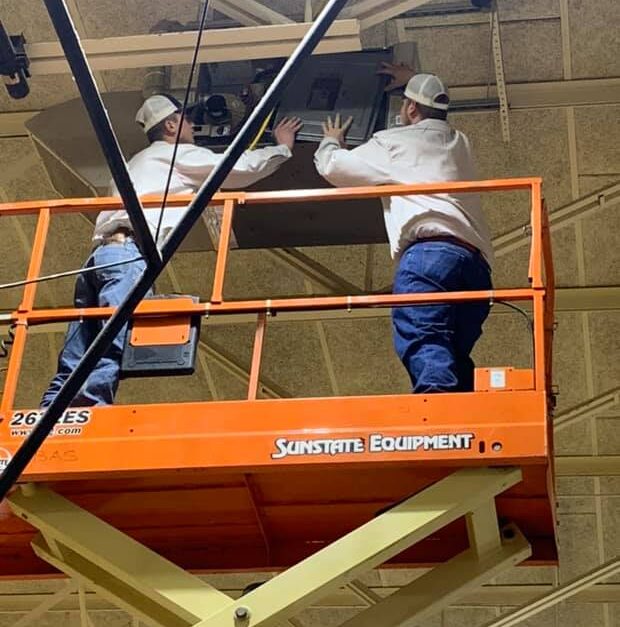
Looking for Air Conditioning Repair near Val Verde?
Climate Control A/C & Heating takes on comfort equipment of every kind here at home.
Contact us at 512-446-4020 and tell us what you are noticing.
Summer Load – Built for a Long Haul
Summers across Val Verde run long, hot and humid, which means a cooling unit seldom rests between spring and fall.
Damp air changes how a house feels at any given temperature, and removing it takes steady run time rather than quick bursts.
Proper equipment size, good airflow and clean surfaces separate a comfortable house from a clammy one, even before anything breaks.
The Refrigerant Cycle – Parts and Their Jobs
Nothing in a cooling system generates cold air from scratch; a sealed loop of refrigerant absorbs heat at one point and releases it at another.
The air handler holds the indoor coil and the blower that pushes air across it, and the outdoor unit holds the compressor and condenser coil that push that heat away.
Fan motors and start components do a great deal of work for their size; the compressor itself can last a long time when it is kept clean and properly charged.
Diagnosing a Weak Cooling System – Sorting Symptoms From Causes
A thorough air conditioning repair starts with a diagnosis rather than a hunch; three very different faults can feel identical from the thermostat.
A unit that clicks and does nothing may be waiting on a bad contactor or a dead control board, and they usually repair cleanly because the parts are small.
A frozen evaporator coil blocks the very air it is supposed to cool; switching the system off and letting it thaw protects the equipment until it can be checked.
Refrigerant is sealed in a loop and does not get used up; a responsible repair locates the leak instead of simply adding more.
Clogged condensate drains are a quiet cause of water stains and shutdowns, and clearing the line is routine maintenance work.
When to Call for Service – What Owners Notice First
Cooling equipment usually gives notice before it fails outright, and the following signs are worth acting on:
- Supply air that feels weak or lukewarm despite thin airflow at the vents.
- A buzzing or clicking sound at startup, often getting louder from one week to the next.
- Repeated short runs that never finish a cooling cycle; parts wear faster.
- Damp spots on the ceiling below the indoor cabinet, which deserves a look before damage spreads.
Tune-Ups for Cooling Gear: Catching Trouble Before It Grows
AC maintenance is a set of simple, repeatable tasks that keep a cooling system efficient, and the work centers on airflow, cleanliness and electrical health.
Changing the filter on schedule protects the coil, the blower and the ductwork, and a quick check each month is a good habit through the summer.
Heat flows through each of the coils, and each one loses capacity when it collects dirt, and reading the numbers shows whether anything is drifting out of range.
Repair or Replace – Age, Condition and Efficiency
AC replacement becomes a real question when a system is old, repeatedly broken or hard to keep comfortable, with the condition of the compressor and coils weighing heavily.
Older equipment may use a refrigerant that has been phased out of new production, and that can tip a close decision toward replacement.
Efficiency has improved steadily, and a modern system can use noticeably less electricity, and comfort improves along with the numbers.
Choosing Capacity: Details That Shape Comfort
Proper AC install planning measures the house, the windows, the insulation and the sun exposure, and the standard method for homes is a room-by-room heat gain calculation.
A unit that is too large satisfies the thermostat fast and leaves the humidity behind; the right size runs long, steady cycles that dry the air.
The indoor and outdoor parts have to match each other and the ductwork, and the installer verifies airflow and charge before leaving the job.
Air Distribution – What Hides Above the Ceiling
The duct system is as much a part of comfort as the unit that feeds it, and leaks, bad bends and poor insulation waste a large share of the effort.
Leaks at joints pull attic air into the system and push cooled air out into the rafters; the usual fix is sealing the seams, supporting the runs and adding insulation.
Cleaning the Air Paths – Reasons and Limits
A duct cleaning visit reaches the trunk lines, the branches and the grilles; cleaning is not a substitute for fixing leaks or changing filters.
A cleaning that ignores leaks and filtration is a short-term fix at best, and claims about health benefits should be treated skeptically.
Cooling and Heating in One: How the Technology Works
Heat pumps move heat in both directions, cooling in summer and heating in winter, which suits places where freezing weather is brief.
When outdoor temperatures fall far enough, electric strips or a furnace add the missing warmth, but a heat pump that always needs the backup may have a fault.
Fuel-Fired Warmth: Reliable Heat for Cold Fronts
Gas furnaces burn natural gas or propane in a burner and pass the heat through a heat exchanger; a cracked heat exchanger is a safety issue that calls for a prompt professional look.
The annual furnace check is also a safety check on combustion and exhaust, and homeowners should keep the area around the furnace clear of clutter.
Resistance and Strip Heat – Features and Trade-Offs
Elements in an electric air handler turn current directly into heat, and the equipment is simple, with few moving parts.
Resistance heat converts every unit of power to heat, while a heat pump moves several units for each one consumed, and many homes pair a heat pump with strips as a backup.
Getting Ready for Cold Weather: What to Do Before the First Freeze
The heating season is short enough that equipment sits unused for months, then must work on the first cold night; heating systems are better checked before they are needed.
Heating services cover igniters and burners on gas units, reversing valves on heat pumps and elements on electric ones, which keeps the work simple to explain and easy to follow.
Boilers: How Hydronic Systems Differ
Radiant floor and baseboard heating both rely on a boiler to heat the water, and the parts, from circulators to expansion tanks, differ from forced-air equipment.
Service on boiler systems covers the burner, the water pressure, the circulator pump, the expansion tank and the safety relief valve, and bleeding air from the loops is a routine task.
The Air Inside Your Walls – Sources, Symptoms and Solutions
The air in a house mixes outdoor pollen, indoor dust and chemicals from everyday products; the equipment that moves air is also the equipment that carries the contaminants.
Filter grade matters, but a very dense filter in the wrong system can choke the airflow, and a technician can recommend what the equipment can handle.
Businesses face their own air issues, from shared air handlers to customers coming and going all day, and employee and customer comfort both depend on it.
Choosing an Air Cleaner: Matching the Tool to the Problem
Whole-home purifiers treat air as it passes through the system, while portable ones clean a single space, and ozone-producing models are better avoided in occupied rooms.
Purifiers help most when the air handler is clean, the ducts are sealed and humidity is under control, which is why one device rarely fits every home.
Add-On Air Treatments: What They Do and What They Do Not
A UV lamp does not clean the air passing by, but it treats the surfaces it can see; ask what the lamp targets and how often it needs service.
Mist treatments use an approved solution applied by a technician in a controlled way; the label for the product spells out how it is to be used.
Ventilating – Not Too Much, Not Too Little
Bath fans, kitchen hoods and outdoor air intakes are all part of ventilating a modern building; an energy recovery ventilator can trade heat and moisture between the two airstreams.
Exhaust fans that move air out of kitchens and baths should vent outdoors, not into the attic; the equipment, the envelope and the airflow work as a team.
Cooling for Shops, Offices and Buildings: From Rooftop Units to Split Systems
A commercial AC system is often a rooftop package unit that holds the compressor, the coils and the blower in one cabinet; planned maintenance keeps surprises to a minimum.
Condensate drains on rooftops clog with debris, and the water can stain ceilings below, and replacement decisions weigh downtime as well as equipment.
Chillers – Water Carries the Cold
A chiller is a large refrigeration machine that chills water for use in many spaces, and they need specialized service knowledge.
Keeping Food and Product Cold: What Service Involves
Refrigeration equipment uses the same basic cycle as air conditioning but at much lower temperatures, which is why restaurants and stores plan service ahead of busy seasons.
How Climate Control A/C & Heating Works Through Air Conditioning Repair in Val Verde
Every visit starts with questions about what the equipment has been doing and when; readings replace guesses, and the findings are explained in plain language.
Honest advice separates the necessary from the optional, and the work proceeds only when the owner agrees.
Comfort Is a Phone Call Away
Reach out at 512-446-4020 to schedule service or ask what makes sense for your building.
A Last Word: Comfort Is a System
Whether the need falls under Air Conditioning Repair or elsewhere in the heating, cooling and air quality family, the same principles apply; Climate Control A/C & Heating can walk through the choices with you.