
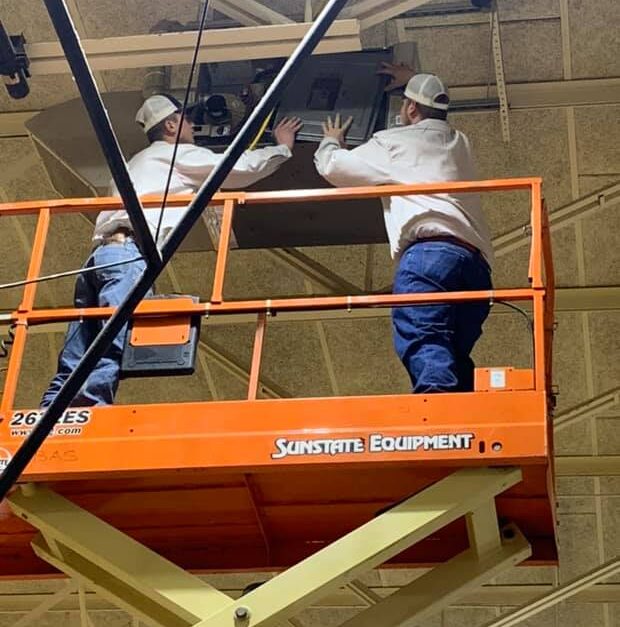
In need of Duct System throughout Val Verde?
Climate Control A/C & Heating supports comfort equipment of every kind close to home.
Contact us at 512-446-4020 to start the conversation.
What Summer Asks of a System: the Climate Behind the Equipment
Summers across Val Verde run long, hot and humid; the machine on the pad outside is among the busiest appliances a household owns.
Moisture in the air matters as much as the thermometer reading; the indoor coil acts as the dehumidifier, collecting water that leaves through a drain line.
Matching capacity to the house, moving enough air and keeping the coil clean all shape the result, and each one is something a technician can check on site.
Moving Heat Outdoors – Heat Moves, Cold Is Not Made
A central air conditioner is a heat mover, not a cold maker; it collects heat inside the house and dumps it into the outdoor air.
A cold coil indoors takes in heat while the blower keeps air moving; the outdoor cabinet houses the compressor, the condenser coil and a fan.
Wear tends to show up in the electrical components before the big mechanical ones, and the larger parts usually go on to last much longer.
Service Calls in Hot Weather: Repair Starts With Diagnosis
Air conditioning repair begins with finding out why the system quit, not with swapping parts, and each of those causes needs a different fix.
A unit that clicks and does nothing may be waiting on a bad contactor or a dead control board, and they usually repair cleanly because the parts are small.
Ice building up near the air handler tells a technician where to look, and the cause may be as simple as a clogged filter or as involved as a leak.
A properly working system keeps its charge for good, since nothing burns it off; topping off a leaking system is a temporary patch that lets the problem return.
Clogged condensate drains are a quiet cause of water stains and shutdowns, though a stopped system after heavy use is a good moment to check it.
When to Call for Service: Small Changes, Big Hints
A struggling cooling system leaves clues around the house; the list below covers what owners tend to notice:
- Rooms that stay warm even with the thermostat set low.
- A hissing noise near the refrigerant lines, sometimes only on the hottest afternoons.
- An outdoor unit that starts and stops every few minutes, leaving the indoor air damp.
- Condensation where there should be none, especially in humid weather.
Preventive Service: Habits That Pay Off Later
Air conditioning maintenance keeps dust, grime and wear from piling up unseen; the checklist stays short enough to repeat every season.
Changing the filter on schedule protects the coil, the blower and the ductwork; the label on the filter and the look of its surface are a reliable guide.
Dirt on the condenser makes the compressor run hotter, so that coil gets cleaned too; the report reflects measurements rather than guesses.
Deciding on a New System – a Decision Worth Making Carefully
Replacement is worth considering once repairs pile up on equipment that was already aging; the right answer differs from one house to the next.
Refrigerant types have changed over time, so older systems may use one that is hard to find, which is another reason to get a clear diagnosis before deciding.
Newer cooling equipment is generally more efficient than older models; the benefit grows in houses that rely on cooling much of the year.
Matching a System to a House: Where Good Results Begin
An air conditioning install starts with a load calculation, not a rule of thumb; windows, attic insulation and ductwork all change the answer.
Oversizing is a common mistake, and it wears out parts through constant starting; one that is too small never reaches the setpoint on the hottest days.
A complete installation pairs the condenser, the coil and the air handler as one system, and a startup check confirms the charge, the airflow and the temperature drop.
Air Distribution: Moving Air Efficiently
A duct system is the network of channels that carry conditioned air to every room and returns it for re-cooling, and a unit can be fine while the ducts hold the whole system back.
Runs through an unconditioned attic or crawl space gain heat or lose chill unless sealed and wrapped, which can improve comfort without touching the equipment.
When Ducts Need Attention – Reasons and Limits
Air passages collect dust, and duct cleaning is the way to clear it from the inside; a house with no such history may not need it often.
Dirt returns quickly if the filter is poor or the returns leak unfiltered air, and a careful provider will show the owner what was found inside.
Heat Pumps: a Natural Fit for Mild Winters
A heat pump is an air conditioner that can run backward to warm the house, and that makes them efficient in climates with mild winters.
On extremely cold days the heat pump leans on supplemental heat to keep up, and a system that runs strips constantly deserves a diagnostic visit.
Fuel-Fired Warmth: What Owners Should Know
Inside a gas furnace, a burner lights, a heat exchanger warms up and the blower pushes air across it, and a fault in any one step can stop the whole cycle.
Combustion appliances produce carbon monoxide, which is why detectors and clear vents matter; never ignore an alarm or a smell of gas.
Electric Heating Systems: Simple Equipment, Steady Output
Elements in an electric air handler turn current directly into heat, which keeps the mechanical side straightforward.
The trade-off with electric heat is simple equipment against higher running use, and many homes pair a heat pump with strips as a backup.
Warmth When the Front Arrives – Test Before You Need It
Winters in Texas are short, but cold fronts can drop temperatures sharply in a matter of hours, which is why heating services are well scheduled in fall.
From gas furnaces to heat pumps, each heating system needs different attention before winter; one failed switch can shut down an otherwise healthy system.
Hot-Water Heating – Radiators, Coils and Radiant Floors
A boiler warms water in a closed loop, and pumps circulate it to the rooms; an owner with a boiler should look for experience with water-based heat.
Service on boiler systems covers the burner, the water pressure, the circulator pump, the expansion tank and the safety relief valve, and annual attention keeps these systems running quietly.
Cleaner Air Indoors – the Part You Cannot See
Air inside a home can carry particles, gases and moisture that the thermostat never shows, and in Texas, cedar pollen and spring dust can find their way inside.
Filter grade matters, but a very dense filter in the wrong system can choke the airflow; humidity control prevents the conditions mold needs.
Larger buildings circulate air through central equipment, so one fault can reach every room; scheduled filter changes and coil cleaning keep these systems honest.
Filters, Purifiers and Their Limits – Useful, With Realistic Goals
Air purifiers range from a stand-alone machine in one room to a unit tied into the ductwork; any claims about performance should be checked against the specification.
Good results come from a purifier chosen to complement the rest of the system; the goal is a measurable improvement, not a gadget.
Keeping Coils Clean Between Visits: Where They Fit
Ultraviolet lamps near the coil are meant to keep it cleaner by discouraging growth on damp surfaces, and a technician can explain which kind fits a given air handler.
Treatments with antimicrobial mist are used after cleaning, when surfaces are dry and accessible; the label for the product spells out how it is to be used.
Bringing Outdoor Air In – Controlled and Filtered
Bath fans, kitchen hoods and outdoor air intakes are all part of ventilating a modern building; an energy recovery ventilator can trade heat and moisture between the two airstreams.
Ductwork that dumps moisture into an attic can create damage far from the source, and the same attention applies to the whole building.
Keeping a Workplace Comfortable: From Rooftop Units to Split Systems
Shops, restaurants, offices and churches often rely on rooftop equipment that serves a zone of the building; planned maintenance keeps surprises to a minimum.
Control settings, schedules and thermostats on commercial systems deserve a look when comfort complaints begin, and replacement decisions weigh downtime as well as equipment.
Central Plant Equipment – Water Carries the Cold
Chiller systems cool water, and pumps carry the chilled water through pipes to air handlers throughout a building; the equipment is larger, more complex and more closely monitored.
Keeping Food and Product Cold: Temperature Is the Whole Job
Walk-in coolers rely on evaporators, condensing units, defrost systems and door seals working together, and temperature drift is the warning sign to act on.
How Climate Control A/C & Heating Thinks About Duct System near Val Verde
The technician asks what changed, what is happening and how long it has been going on, and then the system gets inspected with gauges, meters and a careful eye.
Honest advice separates the necessary from the optional, and questions are welcome at every stage.
Questions About Your System Are Welcome
Contact us at 512-446-4020 to set up a visit or talk through your options.
What to Remember: Attention Now Saves Trouble Later
Equipment, ducts and air quality are connected, so a question about Duct System is rarely a stand-alone one; Climate Control A/C & Heating can walk through the choices with you.