
Looking for Commercial AC System in Milam County?
Climate Control A/C & Heating supports climate equipment for homes and businesses in the local area.
Dial 512-446-4020 to talk it through.
The Cooling Season: Local Conditions Come First
Warm weather in Milam County stretches across much of the calendar; the machine on the pad outside is among the busiest appliances a household owns.
Moisture in the air matters as much as the thermometer reading; an air conditioner pulls it out as a side effect of cooling, but only while it is actually running.
Right sizing, steady airflow and a clean coil therefore decide how a house feels, whatever the label on the box promises.
Inside an Air Conditioner – Heat Moves, Cold Is Not Made
Cooling equipment does not manufacture chill; warmth is absorbed in one coil and released in another.
Inside the house, the evaporator coil does the absorbing; the outdoor cabinet houses the compressor, the condenser coil and a fan.
Starting and stopping thousands of times a season is hard on switches and capacitors, and that is good news, because they are far simpler to fix than a compressor.
Cooling Troubles – Sorting Symptoms From Causes
AC repair that works starts with measurements, because guessing wastes time and parts; three very different faults can feel identical from the thermostat.
A tripped breaker, a failed capacitor or a worn contactor keeps the outdoor unit from starting; the diagnosis comes before any decision about a bigger job.
Ice building up near the air handler tells a technician where to look; shutting the cooling off is the safest response until someone inspects it.
The charge in a cooling system is fixed, so a shortage points to escape, and the leak is the thing that has to be found and dealt with.
Clogged condensate drains are a quiet cause of water stains and shutdowns; moisture removed from muggy air adds up to gallons a day.
Trouble You Can See and Hear: Trust Your Senses
Air conditioners seldom quit without hints along the way, and the items below are easy to check from inside the house:
- Uneven temperatures from room to room even though the blower sounds normal.
- A buzzing or clicking sound at startup, particularly at the start of a cycle.
- Short, frequent cycling of the outdoor unit, with indoor humidity climbing.
- Damp spots on the ceiling below the indoor cabinet, especially in humid weather.
Tune-Ups for Cooling Gear: Habits That Pay Off Later
AC maintenance is a set of simple, repeatable tasks that keep a cooling system efficient; the checklist stays short enough to repeat every season.
Filters catch the dust that would otherwise coat the indoor coil; the label on the filter and the look of its surface are a reliable guide.
Dirt on the condenser makes the compressor run hotter, so that coil gets cleaned too; the report reflects measurements rather than guesses.
Deciding on a New System: Weighing the Options Honestly
The conversation about replacement starts when age, condition and comfort all point the same way, and an honest technician explains both paths.
A system built around a retired refrigerant can be a poor candidate for major repairs, which is another reason to get a clear diagnosis before deciding.
Efficiency has improved steadily, and a modern system can use noticeably less electricity, which matters most where the system runs for months.
Choosing Capacity – Bigger Is Not Better
AC install work succeeds or fails on sizing and airflow before any equipment is delivered; windows, attic insulation and ductwork all change the answer.
An oversized system cools the air quickly and then shuts off before it removes moisture; the right size runs long, steady cycles that dry the air.
The indoor and outdoor parts have to match each other and the ductwork, and the installer verifies airflow and charge before leaving the job.
Ductwork Matters: Sizing, Sealing and Insulation
A duct system is the network of channels that carry conditioned air to every room and returns it for re-cooling; a house with comfort problems deserves a look at its air paths.
A long flexible run through a hot attic needs support, sealing and good insulation; the usual fix is sealing the seams, supporting the runs and adding insulation.
Dust, Debris and Ductwork – Deciding if It Fits
A duct cleaning visit reaches the trunk lines, the branches and the grilles, and it makes the most sense after a renovation, a pest problem or visible contamination.
A cleaning that ignores leaks and filtration is a short-term fix at best, and be cautious of anyone who promises that cleaning will cure every problem.
Heat Pump Basics: a Natural Fit for Mild Winters
Instead of burning fuel, heat pumps pull warmth from outdoor air and carry it inside, which suits places where freezing weather is brief.
Defrost cycles and backup heat are normal parts of winter operation; steam from the outdoor unit during defrost is normal.
Gas Furnaces – the Machinery in the Closet
Inside a gas furnace, a burner lights, a heat exchanger warms up and the blower pushes air across it; a cracked heat exchanger is a safety issue that calls for a prompt professional look.
Carbon monoxide detectors belong in any home with fuel-burning equipment, and stored items near the unit can block airflow and combustion air.
Electric Furnaces and Air Handlers: Simple Equipment, Steady Output
Electric heating systems have no burner, no flue and no combustion byproducts; troubleshooting centers on power, controls and the blower motor.
Electricity makes heat at a steady rate, but resistance heat uses more power than a heat pump does for the same warmth; the decision rests on the building, not just the equipment.
Getting Ready for Cold Weather – Test Before You Need It
Heating season in this part of Texas is brief, with sudden swings between warm days and freezing nights; problems found early can be repaired before a cold front arrives.
Heating systems come in several forms, and the same house may use gas furnaces, heat pumps or electric heating systems; the common thread is clean air passages and a blower that moves enough air.
Hot-Water Heating: Less Common, Still Important
Radiant floor and baseboard heating both rely on a boiler to heat the water; the region mostly uses forced air, so boilers are the exception.
Pressure, temperature and flame quality are the numbers that matter in a boiler check, and bleeding air from the loops is a routine task.
Air Quality Basics – the Part You Cannot See
Residential air quality is shaped by dust, pet dander, cooking fumes, cleaning products and moisture; the equipment that moves air is also the equipment that carries the contaminants.
A better filter helps only if the blower can pull air through it without strain; humidity control prevents the conditions mold needs.
Commercial air quality depends on ventilation rates, filtration and the upkeep of rooftop equipment; ventilation rules for occupied spaces set a baseline.
Cleaning the Air Itself: Sorting Fact From Marketing
Whole-home purifiers treat air as it passes through the system, while portable ones clean a single space; any claims about performance should be checked against the specification.
A purifier works alongside good ventilation and a clean system, not in place of them; the goal is a measurable improvement, not a gadget.
Keeping Coils Clean Between Visits: Understanding the Options
Lamps inside the cabinet work on the coil and pan, and they need replacing on a schedule; bulbs lose strength over time and need changing.
Fogging a space with antimicrobial mist is a surface treatment, not a cure for a moisture problem; the underlying cause still has to be fixed.
Ventilation Done Right: Why Tight Buildings Need It
Bath fans, kitchen hoods and outdoor air intakes are all part of ventilating a modern building; the cooling equipment has to be sized to handle the fresh air coming in.
A hot attic loads up the ceiling and the ducts, so attic ventilation and insulation help the system; the equipment, the envelope and the airflow work as a team.
Commercial Cooling – Equipment Built for Heavier Duty
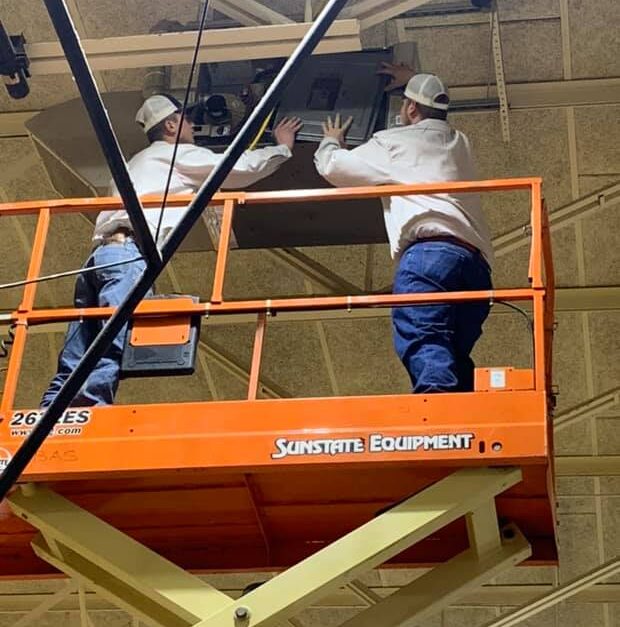
A commercial AC system is sized for heat from people, lighting and machines as well as sunshine, which is why many businesses plan service around their schedule.
Rooftop units sit in the sun and wind, so the cabinets, the coils and the curbs take a beating, and a technician can map out options on site.
Chiller Systems for Larger Buildings – Water Carries the Cold
Instead of cooling air directly, chiller systems cool a water loop that serves coils across the property; air-cooled and water-cooled designs differ in how they reject heat.
Cold Storage Equipment – Why Failures Matter Fast
A refrigeration problem is often found in the condenser, the defrost control or a worn door gasket, which is why restaurants and stores plan service ahead of busy seasons.
How Climate Control A/C & Heating Approaches Commercial AC System around Milam County
The technician asks what changed, what is happening and how long it has been going on, followed by an explanation of what was found and what the choices are.
A repair, a tune-up and a replacement are each described for what they are and what they involve; good service depends on trust running both ways.
Let's Talk About Your Equipment
Reach out at 512-446-4020 to line up service or learn what to expect.
A Last Word – Equipment, Airflow and Air Quality
Searching for Commercial AC System in Milam County usually leads to the same few questions about size, age, airflow and care; Climate Control A/C & Heating can walk through the choices with you.