
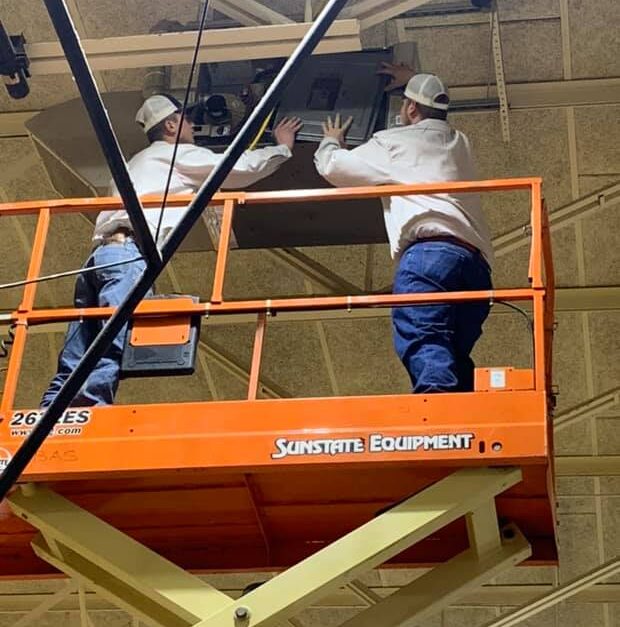
In need of Chiller Systems in Marak?
Climate Control A/C & Heating services the equipment that keeps buildings comfortable close to home.
Call 512-446-4020 to start the conversation.
What Summer Asks of a System: Why Equipment Works Hard Here
Summers across Marak run long, hot and humid; the machine on the pad outside is among the busiest appliances a household owns.
Water vapor rides along with the heat on a muggy afternoon; an air conditioner pulls it out as a side effect of cooling, but only while it is actually running.
Matching capacity to the house, moving enough air and keeping the coil clean all shape the result, whatever the label on the box promises.
Anatomy of a Cooling System – Heat Moves, Cold Is Not Made
Air conditioning is the business of relocating heat; refrigerant picks up warmth from indoor air and carries it outside.
Inside the house, the evaporator coil does the absorbing, and the condensing unit in the yard completes the loop by getting rid of the heat.
Parts that wear out fastest are usually the small electrical ones, which is why a quick diagnosis matters before anyone talks about replacement.
Service Calls in Hot Weather: Repair Starts With Diagnosis
A proper air conditioning repair sorts the symptom from the cause before anything is replaced, and each of those causes needs a different fix.
If the outdoor unit is silent, power, a breaker and the low-voltage wiring are the first suspects, and these are among the quicker repairs when the technician has the part.
Ice building up near the air handler tells a technician where to look, and the cause may be as simple as a clogged filter or as involved as a leak.
Low refrigerant means a leak, because the charge stays put when the loop is tight, which is why measuring pressures and temperatures matters more than adding gas.
Clogged condensate drains are a quiet cause of water stains and shutdowns; moisture removed from muggy air adds up to gallons a day.
Warning Signs – Before a Breakdown
A struggling cooling system leaves clues around the house; these are the signs a homeowner can see, hear or feel without any tools:
- Rooms that stay warm while the system runs nonstop.
- Loud banging when the compressor starts, particularly at the start of a cycle.
- Repeated short runs that never finish a cooling cycle, leaving the indoor air damp.
- Water around the air handler, which deserves a look before damage spreads.
Preventive Service: Habits That Pay Off Later
Regular AC maintenance trims the chance of a breakdown during the hottest week, and the work centers on airflow, cleanliness and electrical health.
A clogged filter chokes the blower and starves the coil of air, which is a quick job that helps the entire system.
The visit usually includes the condenser coil, the evaporator coil and a flush of the drain line; tightening electrical connections is a standard part of the job.
When Replacement Makes Sense – Age, Condition and Efficiency
AC replacement becomes a real question when a system is old, repeatedly broken or hard to keep comfortable, and an honest technician explains both paths.
A system built around a retired refrigerant can be a poor candidate for major repairs; current equipment follows the refrigerant rules in force today.
Efficiency numbers on new equipment, such as SEER2, give a way to compare models fairly, and comfort improves along with the numbers.
Planning a New Installation: Where Good Results Begin
AC install work succeeds or fails on sizing and airflow before any equipment is delivered, and the standard method for homes is a room-by-room heat gain calculation.
Equipment that is too big runs in bursts, which hurts comfort and efficiency alike; careful sizing protects comfort and the equipment.
Every connection, from the refrigerant lines to the thermostat wire, gets sized and routed with care, and a startup check confirms the charge, the airflow and the temperature drop.
Air Distribution: Sizing, Sealing and Insulation
In many houses, the ducts decide whether a new system performs as promised; undersized trunks, kinked runs and open seams all choke the flow.
Attic duct work in Texas sees extreme heat, so insulation and tight seams earn their keep, and a technician can often find the leaks with a pressure test.
Clearing Out the Channels – Reasons and Limits
A duct cleaning visit reaches the trunk lines, the branches and the grilles; a house with no such history may not need it often.
Cleaning pays off only when the source of the dirt is also addressed, and be cautious of anyone who promises that cleaning will cure every problem.
The Two-Way Heat Mover: Strengths and Limits
Heat pumps move heat in both directions, cooling in summer and heating in winter, and one system handles both seasons with a single set of equipment.
A heat pump may call on backup heat during a hard freeze or while defrosting its coil, but a heat pump that always needs the backup may have a fault.
Burners, Igniters and Flues – the Machinery in the Closet
Gas furnaces rely on an igniter, a flame sensor and a gas valve working in sequence; the flue and combustion air must be clear for safe operation.
Combustion appliances produce carbon monoxide, which is why detectors and clear vents matter, and the furnace check is well timed before the first cold front arrives.
Electric Heating Systems: What to Expect From It
Electric heating systems warm the air with heating elements instead of a flame; troubleshooting centers on power, controls and the blower motor.
Electricity makes heat at a steady rate, but resistance heat uses more power than a heat pump does for the same warmth; the decision rests on the building, not just the equipment.
Heating Services: What to Do Before the First Freeze
A norther can send temperatures tumbling, and heating systems that sat idle all summer must start right up, and a test on a mild day beats a surprise on a freezing one.
Heating services cover igniters and burners on gas units, reversing valves on heat pumps and elements on electric ones, which keeps the work simple to explain and easy to follow.
Boilers: How Hydronic Systems Differ
A boiler warms water in a closed loop, and pumps circulate it to the rooms, and they are less common in Texas than furnaces and heat pumps.
Pressure, temperature and flame quality are the numbers that matter in a boiler check; water damage can grow quickly.
Air Quality Basics – Sources, Symptoms and Solutions
Good indoor air quality means controlling particles, humidity, fresh air and sources of contamination; the equipment that moves air is also the equipment that carries the contaminants.
Residential air quality improves when the filter fits the system and gets changed on schedule, and sealing return leaks keeps unfiltered air from sneaking around the filter.
Commercial air quality depends on ventilation rates, filtration and the upkeep of rooftop equipment; scheduled filter changes and coil cleaning keep these systems honest.
Cleaning the Air Itself: What the Labels Mean
Purifiers remove particles or gases from the air, and they come as whole-home units or portable room models, and the right choice depends on what needs removing.
Buying a purifier without fixing a moisture problem treats a symptom and misses the cause, and sizing matters here as much as anywhere.
UV Lights and Antimicrobial Mist: What They Do and What They Do Not
Ultraviolet lamps near the coil are meant to keep it cleaner by discouraging growth on damp surfaces, and a technician can explain which kind fits a given air handler.
Treatments with antimicrobial mist are used after cleaning, when surfaces are dry and accessible, and it works best where the source of moisture has been dealt with.
Fresh Air and Exhaust – Controlled and Filtered
Bath fans, kitchen hoods and outdoor air intakes are all part of ventilating a modern building, and dampers, filters and controls keep the supply of fresh air in balance.
Attic ventilation is a separate matter, but it affects how hard the cooling system works, and this is another reason the whole building matters.
Commercial Cooling: From Rooftop Units to Split Systems
Every commercial air conditioning system serves a space with different loads from a house, such as crowds, lighting and equipment, and filters, belts, coils and drains are the usual checklist items.
Rooftop units sit in the sun and wind, so the cabinets, the coils and the curbs take a beating; a clear plan helps the business stay open.
Chiller Systems for Larger Buildings: Parts and Service Needs
Chiller systems cool water, and pumps carry the chilled water through pipes to air handlers throughout a building, and the plant includes a chiller, pumps, a cooling tower or air-cooled condenser, and controls.
Commercial Refrigeration: Walk-Ins, Reach-Ins and More
Walk-in coolers rely on evaporators, condensing units, defrost systems and door seals working together, and food safety rules set limits that equipment must keep.
How Climate Control A/C & Heating Approaches Chiller Systems across Marak
The technician asks what changed, what is happening and how long it has been going on, followed by an explanation of what was found and what the choices are.
Recommendations come with explanations, so choices rest on information rather than pressure; nothing starts without a clear understanding.
Start With a Conversation
Call 512-446-4020 to line up service or learn what to expect.
A Last Word – Keep Things Simple
Interest in Chiller Systems often starts with a problem, and the solution starts with a clear diagnosis; reach Climate Control A/C & Heating at 512-446-4020 when you are ready.