
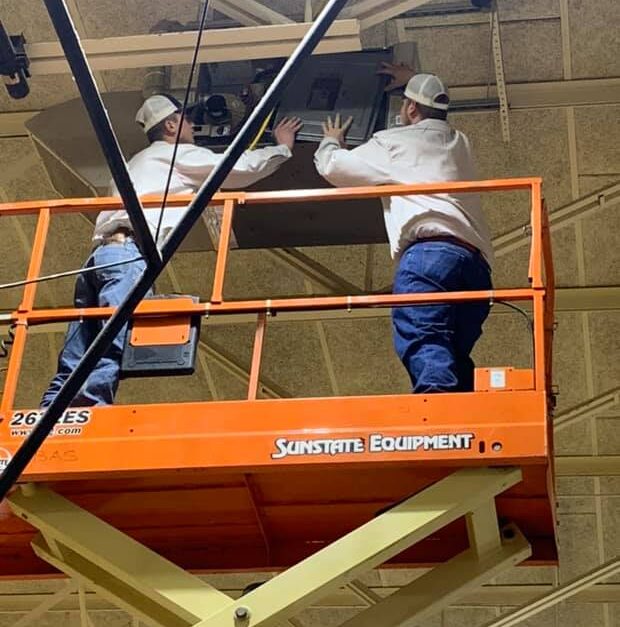
Trying to find Commercial Air Conditioning System across Burlington?
Climate Control A/C & Heating works on heating, cooling and indoor comfort close to home.
Contact us at 512-446-4020 to talk it through.
Heat and Humidity – the Setting for Every Choice
The cooling season in Burlington starts early and finishes late, and a home air conditioner may run most of the day through the worst of it.
Moisture in the air matters as much as the thermometer reading; an air conditioner pulls it out as a side effect of cooling, but only while it is actually running.
Capacity, airflow and cleanliness work together, and a weakness in one shows up as a house that never feels quite right, long before a breakdown ever happens.
The Refrigerant Cycle: a Plain Explanation
Air conditioning is the business of relocating heat; warmth is absorbed in one coil and released in another.
The indoor coil is where the cooling happens; the outdoor cabinet houses the compressor, the condenser coil and a fan.
Starting and stopping thousands of times a season is hard on switches and capacitors, which is why a quick diagnosis matters before anyone talks about replacement.
Cooling Troubles – Sorting Symptoms From Causes
A proper air conditioning repair sorts the symptom from the cause before anything is replaced, and each of those causes needs a different fix.
Electrical faults are common, with capacitors and contactors leading the list of small failures, and these are among the quicker repairs when the technician has the part.
Ice on the lines almost always means too little air or too little refrigerant; the coil needs to thaw completely before anyone can measure what is going on.
Refrigerant is sealed in a loop and does not get used up; a responsible repair locates the leak instead of simply adding more.
Water around the air handler often means the condensate line has clogged with slime, and clearing the line is routine maintenance work.
When to Call for Service: Small Changes, Big Hints
The system tends to behave differently well before the day it stops, and every item below is a reason to schedule a visit:
- Rooms that stay warm though the unit sounds normal.
- A hissing noise near the refrigerant lines, especially when the weather is hot.
- A system that turns on and off in short cycles, even though the thermostat is satisfied.
- Water around the air handler, particularly after long runs.
Preventive Service: What a Maintenance Visit Covers
Scheduled air conditioning maintenance gives a technician a look at the system while it still works, and the visit usually combines cleaning, measuring and tightening.
The air filter is the part most under the homeowner's own control, and how often it needs changing depends on the filter type, pets and the season.
Heat flows through each of the coils, and each one loses capacity when it collects dirt; the report reflects measurements rather than guesses.
Repair or Replace: Weighing the Options Honestly
AC replacement becomes a real question when a system is old, repeatedly broken or hard to keep comfortable, and a good evaluation lays out repair and replacement side by side.
The refrigerant a system uses is worth asking about when a repair involves the sealed loop, which is another reason to get a clear diagnosis before deciding.
Variable-speed designs hold temperature and humidity more precisely than single-stage units; the benefit grows in houses that rely on cooling much of the year.
Sizing and Setup – a Calculation, Not a Guess
Choosing equipment for an AC install means working out how much heat the structure gains; orientation and shading matter as much as floor area.
A unit that is too large satisfies the thermostat fast and leaves the humidity behind; careful sizing protects comfort and the equipment.
The indoor and outdoor parts have to match each other and the ductwork, and local permit and inspection rules apply in most towns.
The Hidden Network in the Walls and Attic – Where Comfort Is Won or Lost
The duct system is as much a part of comfort as the unit that feeds it, and leaks, bad bends and poor insulation waste a large share of the effort.
Runs through an unconditioned attic or crawl space gain heat or lose chill unless sealed and wrapped, which can improve comfort without touching the equipment.
Dust, Debris and Ductwork: Worth Doing at the Right Time
A duct cleaning visit reaches the trunk lines, the branches and the grilles; cleaning is not a substitute for fixing leaks or changing filters.
Cleaning pays off only when the source of the dirt is also addressed; ask to see before-and-after photos of the work.
Cooling and Heating in One – Efficient Most of the Year
Heat pumps move heat in both directions, cooling in summer and heating in winter, and that makes them efficient in climates with mild winters.
When outdoor temperatures fall far enough, electric strips or a furnace add the missing warmth, and a technician can check whether the strips are running more than they should.
Fuel-Fired Warmth – Parts, Safety and Service
A furnace heats air by passing it over a hot metal exchanger while exhaust gases leave through a flue, and a dirty flame sensor is a frequent reason for a furnace that lights and then shuts off.
A technician checks venting, gas pressure and the heat exchanger during a furnace tune-up, and a detector near the sleeping areas gives early warning.
Electric Heating Systems: Simple Equipment, Steady Output
Electric heating systems warm the air with heating elements instead of a flame; the electrical safety devices do the most important work.
Electricity makes heat at a steady rate, but resistance heat uses more power than a heat pump does for the same warmth; the choice depends on what fuel is available at the property.
Heating Services – Reliable Heat on Demand
The heating season is short enough that equipment sits unused for months, then must work on the first cold night; problems found early can be repaired before a cold front arrives.
From gas furnaces to heat pumps, each heating system needs different attention before winter, and a technician adjusts the visit to the equipment on site.
Hot-Water Heating: How Hydronic Systems Differ
A boiler warms water in a closed loop, and pumps circulate it to the rooms, and the parts, from circulators to expansion tanks, differ from forced-air equipment.
Pressure, temperature and flame quality are the numbers that matter in a boiler check, and bleeding air from the loops is a routine task.
Air Quality Basics: Starting With Facts
The air in a house mixes outdoor pollen, indoor dust and chemicals from everyday products; the equipment that moves air is also the equipment that carries the contaminants.
A better filter helps only if the blower can pull air through it without strain; the system and the filter are chosen together.
Commercial air quality involves larger volumes, more occupants and strict airflow requirements, which is why commercial properties usually benefit from regular service visits.
Cleaning the Air Itself: Sorting Fact From Marketing
Purifiers remove particles or gases from the air, and they come as whole-home units or portable room models; a device that makes bold promises deserves a second look.
Buying a purifier without fixing a moisture problem treats a symptom and misses the cause; the goal is a measurable improvement, not a gadget.
Managing Growth Inside the System – Reasonable Expectations
Lamps inside the cabinet work on the coil and pan, and they need replacing on a schedule; the lamp supplements regular cleaning rather than replacing it.
An antimicrobial mist is sprayed or fogged onto surfaces inside the system or the building; the label for the product spells out how it is to be used.
Letting a Building Breathe – Not Too Much, Not Too Little
Modern buildings are tight, so ventilating on purpose keeps carbon dioxide and odors from building up, and dampers, filters and controls keep the supply of fresh air in balance.
A hot attic loads up the ceiling and the ducts, so attic ventilation and insulation help the system, and a technician who looks at the surroundings sees more than the unit alone.
Keeping a Workplace Comfortable: From Rooftop Units to Split Systems
Every commercial air conditioning system serves a space with different loads from a house, such as crowds, lighting and equipment; planned maintenance keeps surprises to a minimum.
Rooftop units sit in the sun and wind, so the cabinets, the coils and the curbs take a beating, and replacement decisions weigh downtime as well as equipment.
Cooling at Scale: Where They Make Sense
Chiller systems are used in large offices, schools, hospitals and industrial plants; the equipment is larger, more complex and more closely monitored.
Cold Storage Equipment – Equipment With Little Room for Error
A refrigeration problem is often found in the condenser, the defrost control or a worn door gasket; frost buildup, warm product and constant running all point to trouble.
How Climate Control A/C & Heating Looks at Commercial Air Conditioning System around Burlington
Before touching a tool, the technician hears the history of the problem from the person who lives with it, and then the system gets inspected with gauges, meters and a careful eye.
Recommendations come with explanations, so choices rest on information rather than pressure; nothing starts without a clear understanding.
Ready When You Are
Call 512-446-4020 to set up a visit or talk through your options.
Closing Thoughts: Attention Now Saves Trouble Later
Whether the need falls under Commercial Air Conditioning System or elsewhere in the heating, cooling and air quality family, the same principles apply; reach Climate Control A/C & Heating at 512-446-4020 when you are ready.