
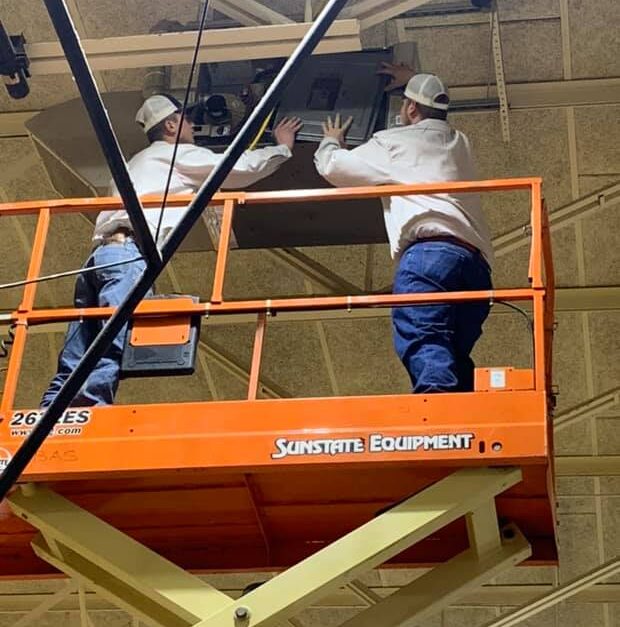
Shopping around for Commercial AC System throughout Ben Arnold?
Climate Control A/C & Heating works on the equipment that keeps buildings comfortable close to home.
Phone 512-446-4020 to describe what your equipment is doing.
A Hot, Wet Climate – the Setting for Every Choice
The cooling season in Ben Arnold starts early and finishes late, and a home air conditioner may run most of the day through the worst of it.
Water vapor rides along with the heat on a muggy afternoon; an air conditioner pulls it out as a side effect of cooling, but only while it is actually running.
Matching capacity to the house, moving enough air and keeping the coil clean all shape the result, long before a breakdown ever happens.
How Air Conditioning Works: a Plain Explanation
Air conditioning is the business of relocating heat; a sealed loop of refrigerant absorbs heat at one point and releases it at another.
The air handler holds the indoor coil and the blower that pushes air across it; outdoors, a fan pulls air across the condenser coil to shed the load.
Parts that wear out fastest are usually the small electrical ones; the compressor itself can last a long time when it is kept clean and properly charged.
Cooling Troubles: a Look at Common Failures
Good AC repair is detective work before it is wrench work; three very different faults can feel identical from the thermostat.
Electrical faults are common, with capacitors and contactors leading the list of small failures, and they usually repair cleanly because the parts are small.
A coil that ices over points toward airflow or refrigerant, and running the system while it is frozen can damage the compressor.
A properly working system keeps its charge for good, since nothing burns it off; a responsible repair locates the leak instead of simply adding more.
Algae and debris plug the drain, and many systems have a float switch that stops the cooling, and the fix is usually quick once the blockage is found.
Clues Your System Is Struggling: Trust Your Senses
The system tends to behave differently well before the day it stops, and every item below is a reason to schedule a visit:
- One end of the house that feels warmer even though the blower sounds normal.
- A hissing noise near the refrigerant lines, often getting louder from one week to the next.
- Constant starting and stopping through the afternoon, with indoor humidity climbing.
- Musty smells when the blower starts, particularly after long runs.
Tune-Ups for Cooling Gear – Small Tasks, Long Equipment Life
Air conditioning maintenance keeps dust, grime and wear from piling up unseen, and the visit usually combines cleaning, measuring and tightening.
Filters catch the dust that would otherwise coat the indoor coil; homes with pets, dust or a constant run schedule need fresh filters more often.
A technician cleans or inspects the outdoor coil, the indoor coil and the condensate drain; capacitors, contactors, wiring and motor amperage get checked as well.
Deciding on a New System: Questions to Ask First
Air conditioning equipment reaches a point where a new system makes more sense than another fix, with the condition of the compressor and coils weighing heavily.
The refrigerant a system uses is worth asking about when a repair involves the sealed loop; matching parts and refrigerant correctly keeps the whole loop reliable.
Newer cooling equipment is generally more efficient than older models; the benefit grows in houses that rely on cooling much of the year.
Getting an Install Right: Where Good Results Begin
Proper AC install planning measures the house, the windows, the insulation and the sun exposure; windows, attic insulation and ductwork all change the answer.
A unit that is too large satisfies the thermostat fast and leaves the humidity behind; careful sizing protects comfort and the equipment.
Every connection, from the refrigerant lines to the thermostat wire, gets sized and routed with care, and the installer verifies airflow and charge before leaving the job.
The Hidden Network in the Walls and Attic: the Lungs of the House
In many houses, the ducts decide whether a new system performs as promised, and leaks, bad bends and poor insulation waste a large share of the effort.
A long flexible run through a hot attic needs support, sealing and good insulation, which can improve comfort without touching the equipment.
When Ducts Need Attention – Deciding if It Fits
A duct cleaning visit reaches the trunk lines, the branches and the grilles; cleaning is not a substitute for fixing leaks or changing filters.
A cleaning that ignores leaks and filtration is a short-term fix at best, and a plain look inside the duct tells the real story.
Heat Pump Basics: Strengths and Limits
Heat pumps use the same refrigerant loop as an air conditioner, with a reversing valve added, which suits places where freezing weather is brief.
When outdoor temperatures fall far enough, electric strips or a furnace add the missing warmth, and a technician can check whether the strips are running more than they should.
Heating With Gas – Parts, Safety and Service
Gas furnaces burn natural gas or propane in a burner and pass the heat through a heat exchanger, and the sequence is why furnaces need testing before cold weather.
A technician checks venting, gas pressure and the heat exchanger during a furnace tune-up, and the furnace check is well timed before the first cold front arrives.
Resistance and Strip Heat – Where It Fits Best
Elements in an electric air handler turn current directly into heat, and the main wear items are the elements, the sequencers and the blower.
The trade-off with electric heat is simple equipment against higher running use; the decision rests on the building, not just the equipment.
Heating Services: Short Winters Still Bite
A norther can send temperatures tumbling, and heating systems that sat idle all summer must start right up, which is why heating services are well scheduled in fall.
From gas furnaces to heat pumps, each heating system needs different attention before winter; one failed switch can shut down an otherwise healthy system.
Hot-Water Heating: Less Common, Still Important
A boiler warms water in a closed loop, and pumps circulate it to the rooms; an owner with a boiler should look for experience with water-based heat.
Service on boiler systems covers the burner, the water pressure, the circulator pump, the expansion tank and the safety relief valve, and annual attention keeps these systems running quietly.
The Air Inside Your Walls: Starting With Facts
Indoor air quality describes what is floating in the air inside a building, from dust and pollen to odors and humidity; allergy seasons put extra load on filters and ducts.
MERV numbers describe how fine a filter catches, and the right one balances capture with airflow; humidity control prevents the conditions mold needs.
Larger buildings circulate air through central equipment, so one fault can reach every room; scheduled filter changes and coil cleaning keep these systems honest.
Purifiers – Useful, With Realistic Goals
Whole-home purifiers treat air as it passes through the system, while portable ones clean a single space; a device that makes bold promises deserves a second look.
A purifier works alongside good ventilation and a clean system, not in place of them, which is why one device rarely fits every home.
Keeping Coils Clean Between Visits: Where They Fit
UV lights are a common add-on in humid climates, where the evaporator coil stays wet for months; bulbs lose strength over time and need changing.
Mist treatments use an approved solution applied by a technician in a controlled way; the underlying cause still has to be fixed.
Letting a Building Breathe: Why Tight Buildings Need It
Ventilating also removes moisture from kitchens and baths before it settles into the structure, and dampers, filters and controls keep the supply of fresh air in balance.
Good attic airflow lowers the heat that leaks down into the living space; improvements can start with simple, low-effort fixes.
Business Climate Control: From Rooftop Units to Split Systems
Every commercial air conditioning system serves a space with different loads from a house, such as crowds, lighting and equipment; a break in cooling can mean lost customers or a workday cut short.
Condensate drains on rooftops clog with debris, and the water can stain ceilings below; planning a changeout around business hours limits disruption.
Chiller Systems for Larger Buildings: Parts and Service Needs
Instead of cooling air directly, chiller systems cool a water loop that serves coils across the property; the equipment is larger, more complex and more closely monitored.
Commercial Refrigeration: Temperature Is the Whole Job
Walk-in coolers rely on evaporators, condensing units, defrost systems and door seals working together; frost buildup, warm product and constant running all point to trouble.
How Climate Control A/C & Heating Works Through Commercial AC System near Ben Arnold
Before touching a tool, the technician hears the history of the problem from the person who lives with it, and then the system gets inspected with gauges, meters and a careful eye.
Recommendations come with explanations, so choices rest on information rather than pressure; good service depends on trust running both ways.
Start With a Conversation
Reach out at 512-446-4020 to schedule service or ask what makes sense for your building.
Bringing It Home: Small Habits, Big Difference
From Commercial AC System to routine upkeep, good outcomes come from understanding the equipment and caring for it; reach Climate Control A/C & Heating at 512-446-4020 when you are ready.