
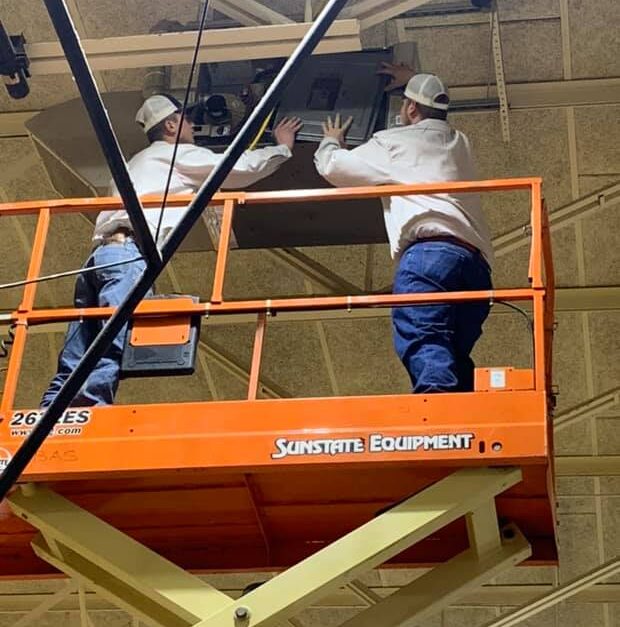
In need of AC Install across Pettibone?
Climate Control A/C & Heating looks after the equipment that keeps buildings comfortable in the surrounding towns.
Contact us at 512-446-4020 and ask a real question.
A Hot, Wet Climate: the Climate Behind the Equipment
Hot weather in Pettibone settles in for months at a time, and a home air conditioner may run most of the day through the worst of it.
Humidity is half of the comfort problem, not an afterthought; the indoor coil acts as the dehumidifier, collecting water that leaves through a drain line.
Capacity, airflow and cleanliness work together, and a weakness in one shows up as a house that never feels quite right, and each one is something a technician can check on site.
Anatomy of a Cooling System: a Plain Explanation
A central air conditioner is a heat mover, not a cold maker; the refrigerant carries heat out of the house and leaves the cool behind.
The air handler holds the indoor coil and the blower that pushes air across it; the outdoor cabinet houses the compressor, the condenser coil and a fan.
Fan motors and start components do a great deal of work for their size, which is why a quick diagnosis matters before anyone talks about replacement.
Diagnosing a Weak Cooling System: a Look at Common Failures
AC repair that works starts with measurements, because guessing wastes time and parts; three very different faults can feel identical from the thermostat.
A unit that clicks and does nothing may be waiting on a bad contactor or a dead control board, though a part that failed once can point to heat or a loose connection that needs attention.
Frost on the indoor coil or the copper line is a warning sign, not a cooling success, and the cause may be as simple as a clogged filter or as involved as a leak.
Low refrigerant means a leak, because the charge stays put when the loop is tight, and adding more without finding the leak only delays the same problem.
A blocked drain line can back water into the pan and trip a safety switch; moisture removed from muggy air adds up to gallons a day.
Clues Your System Is Struggling: Trust Your Senses
Cooling equipment usually gives notice before it fails outright; these are the signs a homeowner can see, hear or feel without any tools:
- Uneven temperatures from room to room even with the thermostat set low.
- Loud banging when the compressor starts, whether or not the cooling seems to work.
- Repeated short runs that never finish a cooling cycle, even though the thermostat is satisfied.
- Damp spots on the ceiling below the indoor cabinet, particularly after long runs.
Preventive Service: Habits That Pay Off Later
Regular AC maintenance trims the chance of a breakdown during the hottest week; the technician cleans what gets dirty and measures what can drift.
Changing the filter on schedule protects the coil, the blower and the ductwork, and a quick check each month is a good habit through the summer.
Dirt on the condenser makes the compressor run hotter, so that coil gets cleaned too; temperature drop and refrigerant pressures are measured to show how the loop is behaving.
When Replacement Makes Sense – Age, Condition and Efficiency
An old unit that needs repair after repair may be a candidate for AC replacement, with the condition of the compressor and coils weighing heavily.
Older equipment may use a refrigerant that has been phased out of new production; current equipment follows the refrigerant rules in force today.
Today's units move the same heat with less power than equipment from a generation ago, which matters most where the system runs for months.
Getting an Install Right – a Calculation, Not a Guess
Proper AC install planning measures the house, the windows, the insulation and the sun exposure, and the standard method for homes is a room-by-room heat gain calculation.
A unit that is too large satisfies the thermostat fast and leaves the humidity behind; one that is too small never reaches the setpoint on the hottest days.
A complete installation pairs the condenser, the coil and the air handler as one system, and local permit and inspection rules apply in most towns.
Duct System Basics – Where Comfort Is Won or Lost
Duct work moves the air that the equipment has cooled or heated, so its design shapes every room, and a unit can be fine while the ducts hold the whole system back.
A long flexible run through a hot attic needs support, sealing and good insulation, and sealing with mastic rather than cloth tape holds up better in the heat.
Clearing Out the Channels: Worth Doing at the Right Time
Duct cleaning is a mechanical job that brushes loose and vacuums out what has collected; construction dust, rodents or visible mold growth are the usual reasons to schedule it.
Clean ducts work best alongside a good filter and sealed connections; ask to see before-and-after photos of the work.
Heat Pump Basics: Strengths and Limits
A heat pump is an air conditioner that can run backward to warm the house; one outdoor unit does the work of two.
A heat pump may call on backup heat during a hard freeze or while defrosting its coil; watch for unusually high bills as a hint.
Burners, Igniters and Flues: How a Furnace Heats a House
A furnace heats air by passing it over a hot metal exchanger while exhaust gases leave through a flue, and a dirty flame sensor is a frequent reason for a furnace that lights and then shuts off.
Carbon monoxide detectors belong in any home with fuel-burning equipment; never ignore an alarm or a smell of gas.
Electric Furnaces and Air Handlers – Where It Fits Best
Electric heating systems have no burner, no flue and no combustion byproducts, which keeps the mechanical side straightforward.
Resistance heat converts every unit of power to heat, while a heat pump moves several units for each one consumed; the choice depends on what fuel is available at the property.
Warmth When the Front Arrives: Short Winters Still Bite
Heating season in this part of Texas is brief, with sudden swings between warm days and freezing nights, and a test on a mild day beats a surprise on a freezing one.
Heating systems come in several forms, and the same house may use gas furnaces, heat pumps or electric heating systems, and the safety controls get tested along with the comfort ones.
Hot-Water Heating: Less Common, Still Important
Hydronic heating moves heat with water instead of air, which makes for quiet, even warmth; an owner with a boiler should look for experience with water-based heat.
A boiler tune-up checks combustion, water level, pressure and the controls that keep it safe; leaks near joints deserve prompt attention.
Indoor Air Quality: Why It Deserves Attention
Indoor air quality describes what is floating in the air inside a building, from dust and pollen to odors and humidity, and in Texas, cedar pollen and spring dust can find their way inside.
A better filter helps only if the blower can pull air through it without strain; humidity control prevents the conditions mold needs.
Businesses face their own air issues, from shared air handlers to customers coming and going all day; ventilation rules for occupied spaces set a baseline.
Cleaning the Air Itself: What the Labels Mean
Whole-home purifiers treat air as it passes through the system, while portable ones clean a single space; a device that makes bold promises deserves a second look.
Buying a purifier without fixing a moisture problem treats a symptom and misses the cause, and a conversation about the whole house usually comes first.
Light and Mist Treatments: Where They Fit
A UV lamp does not clean the air passing by, but it treats the surfaces it can see; bulbs lose strength over time and need changing.
Treatments with antimicrobial mist are used after cleaning, when surfaces are dry and accessible; the product and method should be explained in advance.
Ventilation Done Right: Why Tight Buildings Need It
Planned ventilation brings in measured amounts of outdoor air and exhausts the stale air, which is where design and service make a real difference.
Attic ventilation is a separate matter, but it affects how hard the cooling system works; the equipment, the envelope and the airflow work as a team.
Keeping a Workplace Comfortable – Planning Around the Business
Commercial air conditioning system designs range from rooftop packages to split systems and multi-zone setups; a break in cooling can mean lost customers or a workday cut short.
Condensate drains on rooftops clog with debris, and the water can stain ceilings below, and a technician can map out options on site.
Chiller Systems for Larger Buildings: Parts and Service Needs
Chiller systems cool water, and pumps carry the chilled water through pipes to air handlers throughout a building, and water treatment, tube cleaning and refrigerant checks are routine tasks.
Refrigeration Service: Walk-Ins, Reach-Ins and More
A refrigeration problem is often found in the condenser, the defrost control or a worn door gasket, and food safety rules set limits that equipment must keep.
How Climate Control A/C & Heating Goes About AC Install throughout Pettibone
Conversation comes first, because the owner knows the symptoms better than anyone, and then the system gets inspected with gauges, meters and a careful eye.
A repair, a tune-up and a replacement are each described for what they are and what they involve, and questions are welcome at every stage.
Questions About Your System Are Welcome
Call 512-446-4020 to schedule service or ask what makes sense for your building.
Bringing It Home: Small Habits, Big Difference
Equipment, ducts and air quality are connected, so a question about AC Install is rarely a stand-alone one, and Climate Control A/C & Heating is ready to help with it.