
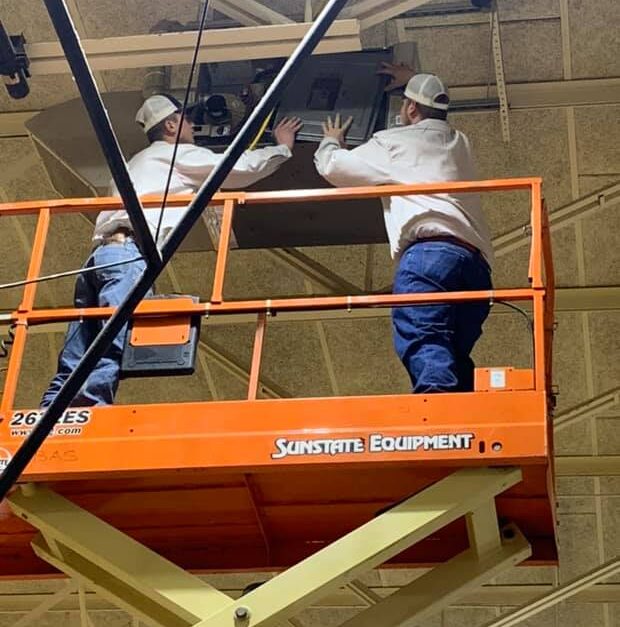
In need of Air Conditioning Repair throughout Thorndale?
Climate Control A/C & Heating takes on the equipment that keeps buildings comfortable in the local area.
Phone 512-446-4020 to talk it through.
Summer Load: the Climate Behind the Equipment
The cooling season in Thorndale starts early and finishes late, and the equipment that carries the load is working harder than its owner tends to notice.
Damp air changes how a house feels at any given temperature, and removing it takes steady run time rather than quick bursts.
Capacity, airflow and cleanliness work together, and a weakness in one shows up as a house that never feels quite right, and each one is something a technician can check on site.
Inside an Air Conditioner: What Each Piece Does
Air conditioning is the business of relocating heat; refrigerant picks up warmth from indoor air and carries it outside.
The air handler holds the indoor coil and the blower that pushes air across it, with the compressor outside squeezing the refrigerant so the heat can leave.
Parts that wear out fastest are usually the small electrical ones; a failed capacitor is often a small repair rather than the end of the system.
Service Calls in Hot Weather – Sorting Symptoms From Causes
Good AC repair is detective work before it is wrench work, and a house that is warm may have an electrical fault, an airflow problem or a refrigerant problem.
Electrical faults are common, with capacitors and contactors leading the list of small failures, though a part that failed once can point to heat or a loose connection that needs attention.
A frozen evaporator coil blocks the very air it is supposed to cool, and the cause may be as simple as a clogged filter or as involved as a leak.
A properly working system keeps its charge for good, since nothing burns it off, which is why measuring pressures and temperatures matters more than adding gas.
Algae and debris plug the drain, and many systems have a float switch that stops the cooling, and clearing the line is routine maintenance work.
When to Call for Service – Before a Breakdown
A struggling cooling system leaves clues around the house; the list below covers what owners tend to notice:
- One end of the house that feels warmer while the system runs nonstop.
- A burning smell from the vents, particularly at the start of a cycle.
- An outdoor unit that starts and stops every few minutes, leaving the indoor air damp.
- Musty smells when the blower starts, particularly after long runs.
Regular Maintenance: Catching Trouble Before It Grows
Regular AC maintenance trims the chance of a breakdown during the hottest week; the technician cleans what gets dirty and measures what can drift.
Dirty filters are the single easiest thing for an owner to handle, and a quick check each month is a good habit through the summer.
Coils, drain pans and drain lines all get attention during a complete tune-up, and reading the numbers shows whether anything is drifting out of range.
When Replacement Makes Sense: Weighing the Options Honestly
An old unit that needs repair after repair may be a candidate for AC replacement; the right answer differs from one house to the next.
Older equipment may use a refrigerant that has been phased out of new production, and newer equipment is built for current refrigerants.
Efficiency numbers on new equipment, such as SEER2, give a way to compare models fairly, and comfort improves along with the numbers.
Planning a New Installation – Bigger Is Not Better
AC install work succeeds or fails on sizing and airflow before any equipment is delivered, and two houses of the same size can need very different equipment.
Oversizing is a common mistake, and it wears out parts through constant starting, and a proper calculation avoids both extremes.
A complete installation pairs the condenser, the coil and the air handler as one system; commissioning measurements confirm that the system performs as designed.
Ductwork Matters: the Lungs of the House
Duct work moves the air that the equipment has cooled or heated, so its design shapes every room, and a unit can be fine while the ducts hold the whole system back.
Leaks at joints pull attic air into the system and push cooled air out into the rafters, and a technician can often find the leaks with a pressure test.
Duct Cleaning – Reasons and Limits
Cleaning the ducts means pulling loose material out with agitation tools and a strong vacuum, and the decision should rest on what is actually in the ducts.
Filtering, sealing and cleaning form one plan, not three separate jobs; ask to see before-and-after photos of the work.
Heat Pumps – Efficient Most of the Year
The reversing valve is what lets heat pumps switch between cooling and heating, and one system handles both seasons with a single set of equipment.
When outdoor temperatures fall far enough, electric strips or a furnace add the missing warmth, and a system that runs strips constantly deserves a diagnostic visit.
Gas Furnaces – Parts, Safety and Service
Inside a gas furnace, a burner lights, a heat exchanger warms up and the blower pushes air across it, and the sequence is why furnaces need testing before cold weather.
Safe furnace operation depends on clear venting and working carbon monoxide alarms, and stored items near the unit can block airflow and combustion air.
Heating With Electricity – Where It Fits Best
Electric heating systems warm the air with heating elements instead of a flame, and the equipment is simple, with few moving parts.
The trade-off with electric heat is simple equipment against higher running use, particularly where cold stretches are brief.
Winter Preparation: What to Do Before the First Freeze
A norther can send temperatures tumbling, and heating systems that sat idle all summer must start right up, which is why heating services are well scheduled in fall.
From gas furnaces to heat pumps, each heating system needs different attention before winter, which keeps the work simple to explain and easy to follow.
Boiler Systems: How Hydronic Systems Differ
Radiant floor and baseboard heating both rely on a boiler to heat the water; the region mostly uses forced air, so boilers are the exception.
The relief valve and low-water cutoff protect a boiler, so they get tested during service, and annual attention keeps these systems running quietly.
Air Quality Basics: Beyond Temperature and Humidity
Indoor air quality describes what is floating in the air inside a building, from dust and pollen to odors and humidity; the equipment that moves air is also the equipment that carries the contaminants.
MERV numbers describe how fine a filter catches, and the right one balances capture with airflow; the system and the filter are chosen together.
Offices, shops and restaurants need steady fresh air so that crowds do not make the space stuffy, and a maintenance plan fits the building's size and hours.
Cleaning the Air Itself – Useful, With Realistic Goals
Whole-home purifiers treat air as it passes through the system, while portable ones clean a single space, and the right choice depends on what needs removing.
Purifiers help most when the air handler is clean, the ducts are sealed and humidity is under control, which is why one device rarely fits every home.
Managing Growth Inside the System – Tools for a Damp Climate
Ultraviolet lamps near the coil are meant to keep it cleaner by discouraging growth on damp surfaces; the lamp supplements regular cleaning rather than replacing it.
Mist treatments use an approved solution applied by a technician in a controlled way, and it works best where the source of moisture has been dealt with.
Fresh Air and Exhaust: Why Tight Buildings Need It
Ventilating a building means replacing stale indoor air with fresh outdoor air in a controlled way; the cooling equipment has to be sized to handle the fresh air coming in.
Ductwork that dumps moisture into an attic can create damage far from the source, and this is another reason the whole building matters.
Cooling for Shops, Offices and Buildings: Comfort That Supports the Work
Commercial air conditioning system designs range from rooftop packages to split systems and multi-zone setups; a break in cooling can mean lost customers or a workday cut short.
Commercial equipment is built to run long hours, and it still depends on clean coils and clear drains, and a technician can map out options on site.
Chiller Systems for Larger Buildings: How They Differ From Packaged Units
A chiller is a large refrigeration machine that chills water for use in many spaces, and water treatment, tube cleaning and refrigerant checks are routine tasks.
Cold Storage Equipment – Equipment With Little Room for Error
Walk-in coolers rely on evaporators, condensing units, defrost systems and door seals working together, and temperature drift is the warning sign to act on.
How Climate Control A/C & Heating Thinks About Air Conditioning Repair near Thorndale
Every visit starts with questions about what the equipment has been doing and when, then examines the equipment and measures what can be measured.
Honest advice separates the necessary from the optional, and questions are welcome at every stage.
Comfort Is a Phone Call Away
Dial 512-446-4020 to set up a visit or talk through your options.
What to Remember – Keep Things Simple
Interest in Air Conditioning Repair often starts with a problem, and the solution starts with a clear diagnosis, and Climate Control A/C & Heating answers questions at 512-446-4020.