
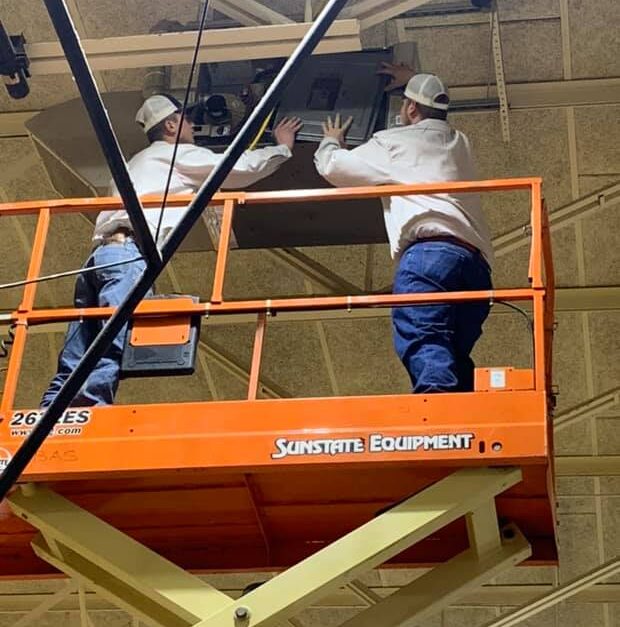
In need of Air Conditioning around San Gabriel?
Climate Control A/C & Heating works on cooling, heating and the air indoors in the surrounding towns.
Reach us at 512-446-4020 to describe what your equipment is doing.
What Summer Asks of a System: Why Equipment Works Hard Here
The cooling season in San Gabriel starts early and finishes late, and the equipment that carries the load is working harder than its owner tends to notice.
Sticky air can make a cool room feel uncomfortable; a cooling system dehumidifies only when the compressor is on and air is moving across the coil.
Right size, steady airflow and a clean coil explain much of how a house feels, whatever the label on the box promises.
The Refrigerant Cycle – Heat Moves, Cold Is Not Made
Nothing in a cooling system generates cold air from scratch; it collects heat inside the house and dumps it into the outdoor air.
Inside the house, the evaporator coil does the absorbing, with the compressor outside squeezing the refrigerant so the heat can leave.
The contactor, the capacitor and the motors take a beating in hot weather, and that is good news, because they are far simpler to fix than a compressor.
Diagnosing a Weak Cooling System – Finding the Real Cause
A thorough air conditioning repair starts with a diagnosis rather than a hunch; the same warm room can come from a dead capacitor, a frozen coil or a leak.
Electrical faults are common, with capacitors and contactors leading the list of small failures, though a part that failed once can point to heat or a loose connection that needs attention.
A frozen evaporator coil blocks the very air it is supposed to cool; the coil needs to thaw completely before anyone can measure what is going on.
The charge in a cooling system is fixed, so a shortage points to escape, and adding more without finding the leak only delays the same problem.
Clogged condensate drains are a quiet cause of water stains and shutdowns, and a flush of the line during regular service often prevents the problem.
Warning Signs: Spotting Problems Early
Cooling equipment usually gives notice before it fails outright; these are the signs a homeowner can see, hear or feel without any tools:
- Supply air that feels weak or lukewarm despite thin airflow at the vents.
- Loud banging when the compressor starts, sometimes only on the hottest afternoons.
- Short, frequent cycling of the outdoor unit; parts wear faster.
- Pooling water under the furnace or air handler, sometimes from a dirty coil.
Regular Maintenance: Catching Trouble Before It Grows
Air conditioning maintenance keeps dust, grime and wear from piling up unseen; the checklist stays short enough to repeat every season.
Filters catch the dust that would otherwise coat the indoor coil, and a quick check each month is a good habit through the summer.
A technician cleans or inspects the outdoor coil, the indoor coil and the condensate drain; capacitors, contactors, wiring and motor amperage get checked as well.
Aging Equipment – Age, Condition and Efficiency
Replacement is worth considering once repairs pile up on equipment that was already aging; the right answer differs from one house to the next.
The refrigerant a system uses is worth asking about when a repair involves the sealed loop; current equipment follows the refrigerant rules in force today.
Efficiency has improved steadily, and a modern system can use noticeably less electricity; the benefit grows in houses that rely on cooling much of the year.
Getting an Install Right: the Groundwork Matters
Air conditioning install quality depends on matching capacity to what the building actually needs; windows, attic insulation and ductwork all change the answer.
An oversized system cools the air quickly and then shuts off before it removes moisture; careful sizing protects comfort and the equipment.
Every connection, from the refrigerant lines to the thermostat wire, gets sized and routed with care, and the installer verifies airflow and charge before leaving the job.
Duct System Basics: Sizing, Sealing and Insulation
Duct work moves the air that the equipment has cooled or heated, so its design shapes every room, which is why the airflow measurement is part of a proper diagnosis.
Ducts that run through a hot attic lose a surprising amount of cooling on the way to the rooms; return air paths deserve the same attention as the supply side.
Dust, Debris and Ductwork: Worth Doing at the Right Time
A duct cleaning visit reaches the trunk lines, the branches and the grilles, and the decision should rest on what is actually in the ducts.
Clean ducts work best alongside a good filter and sealed connections, and be cautious of anyone who promises that cleaning will cure every problem.
Cooling and Heating in One: Strengths and Limits
The reversing valve is what lets heat pumps switch between cooling and heating, which suits places where freezing weather is brief.
Auxiliary heat strips back up the heat pump on the coldest mornings; watch for unusually high bills as a hint.
Fuel-Fired Warmth: What Owners Should Know
The sequence in a gas furnace runs from thermostat call to draft fan, igniter, gas valve and flame proof, and a fault in any one step can stop the whole cycle.
Combustion appliances produce carbon monoxide, which is why detectors and clear vents matter, and stored items near the unit can block airflow and combustion air.
Heating With Electricity: Simple Equipment, Steady Output
Electric heating systems warm the air with heating elements instead of a flame; troubleshooting centers on power, controls and the blower motor.
Electricity makes heat at a steady rate, but resistance heat uses more power than a heat pump does for the same warmth; the choice depends on what fuel is available at the property.
Heating Services: What to Do Before the First Freeze
The heating season is short enough that equipment sits unused for months, then must work on the first cold night; heating systems are better checked before they are needed.
From gas furnaces to heat pumps, each heating system needs different attention before winter; the common thread is clean air passages and a blower that moves enough air.
Boiler Systems: Less Common, Still Important
Boiler systems heat water or make steam and send it through pipes to radiators, baseboards or in-floor loops; the region mostly uses forced air, so boilers are the exception.
Pressure, temperature and flame quality are the numbers that matter in a boiler check, and annual attention keeps these systems running quietly.
What You Breathe at Home: Why It Deserves Attention
Indoor air quality describes what is floating in the air inside a building, from dust and pollen to odors and humidity; the equipment that moves air is also the equipment that carries the contaminants.
A better filter helps only if the blower can pull air through it without strain; humidity control prevents the conditions mold needs.
Commercial air quality depends on ventilation rates, filtration and the upkeep of rooftop equipment, and a maintenance plan fits the building's size and hours.
Air Purification Options – Whole-Home or Single Room
Some purifiers capture particles with high-efficiency filters, and others target odors with carbon, and the right choice depends on what needs removing.
Buying a purifier without fixing a moisture problem treats a symptom and misses the cause; a technician looks at the system before recommending a device.
UV Lights and Antimicrobial Mist – Tools for a Damp Climate
UV lights are a common add-on in humid climates, where the evaporator coil stays wet for months; ask what the lamp targets and how often it needs service.
Treatments with antimicrobial mist are used after cleaning, when surfaces are dry and accessible; the underlying cause still has to be fixed.
Ventilating: Balance in a Humid Climate
Modern buildings are tight, so ventilating on purpose keeps carbon dioxide and odors from building up, and dampers, filters and controls keep the supply of fresh air in balance.
Exhaust fans that move air out of kitchens and baths should vent outdoors, not into the attic; the equipment, the envelope and the airflow work as a team.
Business Climate Control: From Rooftop Units to Split Systems
A commercial AC system is often a rooftop package unit that holds the compressor, the coils and the blower in one cabinet, which is why many businesses plan service around their schedule.
Control settings, schedules and thermostats on commercial systems deserve a look when comfort complaints begin; a clear plan helps the business stay open.
Chiller Systems for Larger Buildings – Big Buildings, Big Loads
Chiller systems are used in large offices, schools, hospitals and industrial plants; air-cooled and water-cooled designs differ in how they reject heat.
Cold Storage Equipment: What Service Involves
A refrigeration problem is often found in the condenser, the defrost control or a worn door gasket; regular cleaning of condenser coils matters even more than in comfort cooling.
How Climate Control A/C & Heating Approaches Air Conditioning throughout San Gabriel
Before touching a tool, the technician hears the history of the problem from the person who lives with it; the owner understands the situation before any decision.
A repair, a tune-up and a replacement are each described for what they are and what they involve; good service depends on trust running both ways.
Ready When You Are
Phone 512-446-4020 to schedule service or ask what makes sense for your building.
Bringing It Home – Keep Things Simple
Searching for Air Conditioning in San Gabriel usually leads to the same few questions about size, age, airflow and care; reach Climate Control A/C & Heating at 512-446-4020 when you are ready.