
Shopping around for Antimicrobial Mist around San Gabriel?
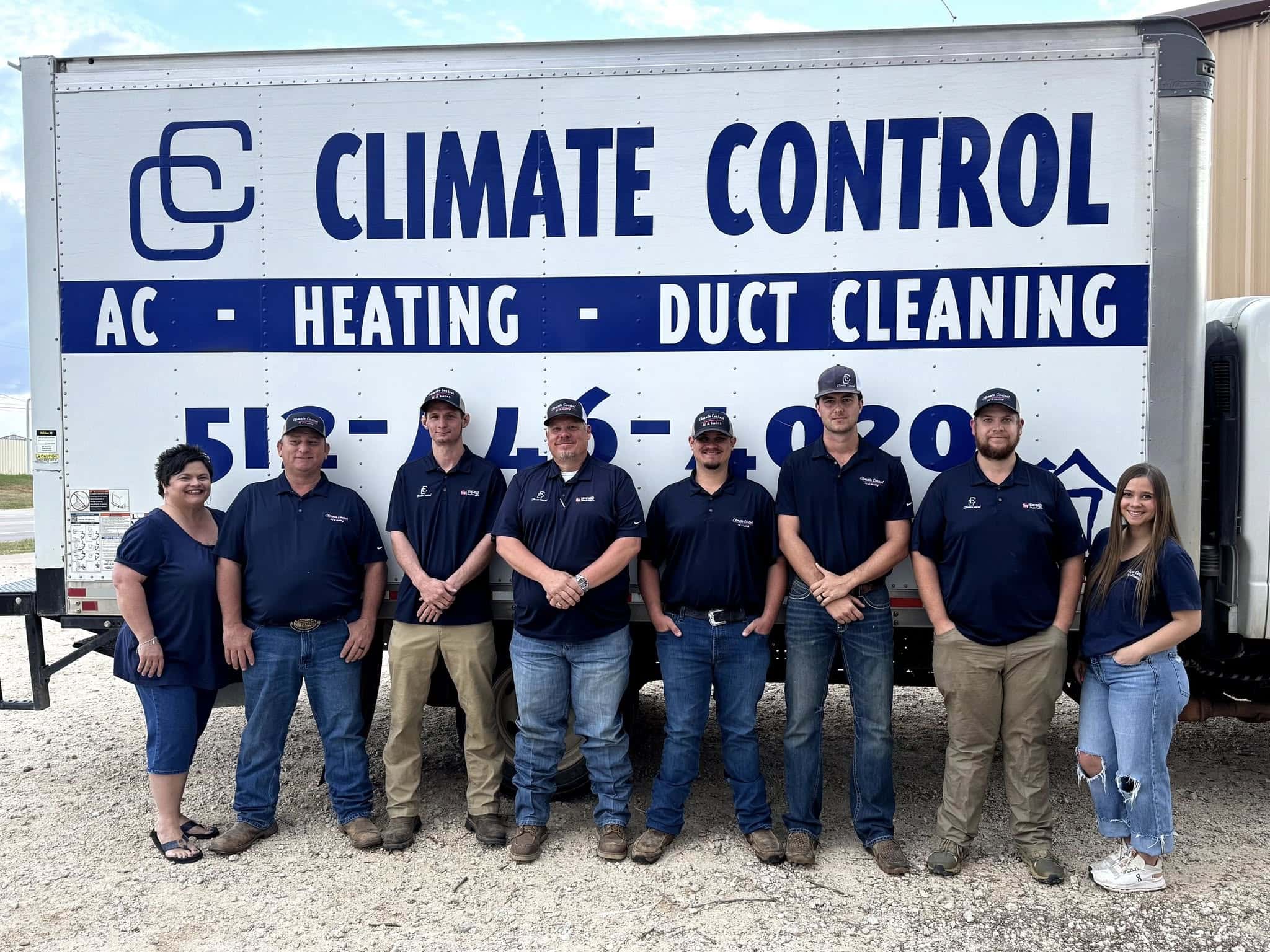
Climate Control A/C & Heating services heating, cooling and indoor comfort around the community.
Reach us at 512-446-4020 to talk it through.
Summer Load – the Setting for Every Choice
Warm weather in San Gabriel stretches across much of the calendar; the machine on the pad outside is among the busiest appliances a household owns.
Sticky air can make a cool room feel uncomfortable, and the coil is where the moisture condenses and drains away.
Matching capacity to the house, moving enough air and keeping the coil clean all shape the result, whatever the label on the box promises.
How Air Conditioning Works: the Basics Worth Knowing
An air conditioner does not create cold; warmth is absorbed in one coil and released in another.
The indoor coil is where the cooling happens; the outdoor cabinet houses the compressor, the condenser coil and a fan.
The contactor, the capacitor and the motors take a beating in hot weather, which is why a quick diagnosis matters before anyone talks about replacement.
Cooling Troubles: a Look at Common Failures
Air conditioning repair begins with finding out why the system quit, not with swapping parts, and each of those causes needs a different fix.
A tripped breaker, a failed capacitor or a worn contactor keeps the outdoor unit from starting, and these are among the quicker repairs when the technician has the part.
A coil that ices over points toward airflow or refrigerant; shutting the cooling off is the safest response until someone inspects it.
A properly working system keeps its charge for good, since nothing burns it off; topping off a leaking system is a temporary patch that lets the problem return.
Algae and debris plug the drain, and many systems have a float switch that stops the cooling, and a flush of the line during regular service often prevents the problem.
Symptoms Worth Noticing: Small Changes, Big Hints
Air conditioners seldom quit without hints along the way, and the items below are easy to check from inside the house:
- Some rooms that never cool down despite thin airflow at the vents.
- A hissing noise near the refrigerant lines, particularly at the start of a cycle.
- Repeated short runs that never finish a cooling cycle; parts wear faster.
- Musty smells when the blower starts, which deserves a look before damage spreads.
Routine Care: Habits That Pay Off Later
Routine AC maintenance heads off the kind of failure that arrives on a hot afternoon, and the work centers on airflow, cleanliness and electrical health.
A clogged filter chokes the blower and starves the coil of air; homes with pets, dust or a constant run schedule need fresh filters more often.
Heat flows through each of the coils, and each one loses capacity when it collects dirt; tightening electrical connections is a standard part of the job.
Repair or Replace – a Decision Worth Making Carefully
An old unit that needs repair after repair may be a candidate for AC replacement, and a good evaluation lays out repair and replacement side by side.
Some older units run on refrigerant that is now scarce, which affects repair decisions, which is another reason to get a clear diagnosis before deciding.
Efficiency numbers on new equipment, such as SEER2, give a way to compare models fairly, and in a long cooling season those savings add up.
Getting an Install Right: the Groundwork Matters
An air conditioning install starts with a load calculation, not a rule of thumb, and the standard method for homes is a room-by-room heat gain calculation.
Equipment that is too big runs in bursts, which hurts comfort and efficiency alike; one that is too small never reaches the setpoint on the hottest days.
Every connection, from the refrigerant lines to the thermostat wire, gets sized and routed with care; commissioning measurements confirm that the system performs as designed.
Air Distribution: the Lungs of the House
The duct system is as much a part of comfort as the unit that feeds it, and a unit can be fine while the ducts hold the whole system back.
Leaks at joints pull attic air into the system and push cooled air out into the rafters, and sealing with mastic rather than cloth tape holds up better in the heat.
Dust, Debris and Ductwork – Reasons and Limits
A duct cleaning visit reaches the trunk lines, the branches and the grilles; construction dust, rodents or visible mold growth are the usual reasons to schedule it.
Filtering, sealing and cleaning form one plan, not three separate jobs, and claims about health benefits should be treated skeptically.
Cooling and Heating in One: Strengths and Limits
Heat pumps use the same refrigerant loop as an air conditioner, with a reversing valve added, and that makes them efficient in climates with mild winters.
On extremely cold days the heat pump leans on supplemental heat to keep up; steam from the outdoor unit during defrost is normal.
Gas Furnaces: How a Furnace Heats a House
Gas furnaces burn natural gas or propane in a burner and pass the heat through a heat exchanger, and a dirty flame sensor is a frequent reason for a furnace that lights and then shuts off.
Safe furnace operation depends on clear venting and working carbon monoxide alarms; never ignore an alarm or a smell of gas.
Resistance and Strip Heat – Features and Trade-Offs
Electric heat uses sequenced elements, relays and limit switches to warm the house; the electrical safety devices do the most important work.
Compared with a heat pump, strips and electric furnaces draw heavily for the heat they make; the choice depends on what fuel is available at the property.
Warmth When the Front Arrives – Reliable Heat on Demand
A norther can send temperatures tumbling, and heating systems that sat idle all summer must start right up; running the heater briefly in fall shows whether it lights, blows warm air and shuts off properly.
Heating services cover igniters and burners on gas units, reversing valves on heat pumps and elements on electric ones; the common thread is clean air passages and a blower that moves enough air.
Heating With Water – Radiators, Coils and Radiant Floors
Boiler systems appear in older buildings, larger properties and some commercial spaces; an owner with a boiler should look for experience with water-based heat.
The relief valve and low-water cutoff protect a boiler, so they get tested during service, and annual attention keeps these systems running quietly.
Air Quality Basics – Sources, Symptoms and Solutions
Indoor air quality describes what is floating in the air inside a building, from dust and pollen to odors and humidity; allergy seasons put extra load on filters and ducts.
MERV numbers describe how fine a filter catches, and the right one balances capture with airflow, and sealing return leaks keeps unfiltered air from sneaking around the filter.
Offices, shops and restaurants need steady fresh air so that crowds do not make the space stuffy, and employee and customer comfort both depend on it.
Cleaning the Air Itself: What the Labels Mean
Purifiers remove particles or gases from the air, and they come as whole-home units or portable room models; pollen and dust call for filtration, while odors call for carbon.
Buying a purifier without fixing a moisture problem treats a symptom and misses the cause, and a conversation about the whole house usually comes first.
Managing Growth Inside the System – Reasonable Expectations
Lamps inside the cabinet work on the coil and pan, and they need replacing on a schedule, and results depend on placement, dose and the lamp type.
Mist treatments use an approved solution applied by a technician in a controlled way; the label for the product spells out how it is to be used.
Letting a Building Breathe – Not Too Much, Not Too Little
Bath fans, kitchen hoods and outdoor air intakes are all part of ventilating a modern building, and in a humid climate the incoming air needs dehumidifying.
Attic ventilation is a separate matter, but it affects how hard the cooling system works, and this is another reason the whole building matters.
Business Climate Control – Planning Around the Business
Commercial air conditioning system designs range from rooftop packages to split systems and multi-zone setups; a break in cooling can mean lost customers or a workday cut short.
Coil cleaning, belt checks and economizer inspections are part of keeping commercial equipment dependable; planning a changeout around business hours limits disruption.
Central Plant Equipment: How They Differ From Packaged Units
Instead of cooling air directly, chiller systems cool a water loop that serves coils across the property, and the plant includes a chiller, pumps, a cooling tower or air-cooled condenser, and controls.
Coolers, Freezers and Ice Machines: Temperature Is the Whole Job
Refrigeration service covers walk-in coolers, reach-in units, freezers, display cases and ice machines, and temperature drift is the warning sign to act on.
How Climate Control A/C & Heating Goes About Antimicrobial Mist near San Gabriel
Conversation comes first, because the owner knows the symptoms better than anyone, and then the system gets inspected with gauges, meters and a careful eye.
Recommendations come with explanations, so choices rest on information rather than pressure, and the work proceeds only when the owner agrees.
Start With a Conversation
Dial 512-446-4020 to describe what is going on and find the next step.
Bringing It Home – Equipment, Airflow and Air Quality
Interest in Antimicrobial Mist often starts with a problem, and the solution starts with a clear diagnosis; reach Climate Control A/C & Heating at 512-446-4020 when you are ready.